Your hormone levels are “normal.” Your symptoms are real.
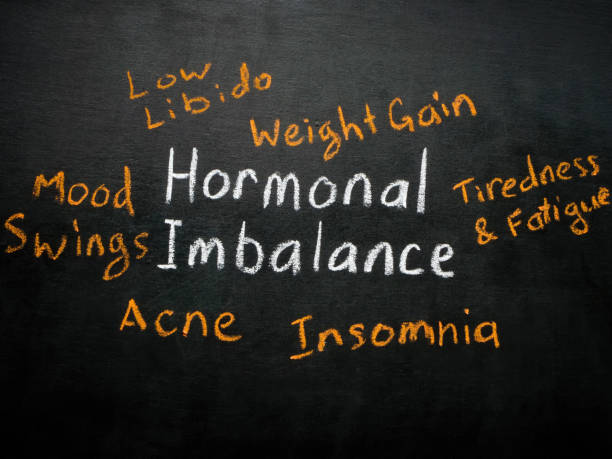
This disconnect defines modern hormone therapy. We see it every week in our practice. Patients arrive exhausted, struggling with brain fog, weight gain, and vanishing libido. Their labs show testosterone at 650 or estradiol within range.
Everything looks fine on paper. Nothing feels fine in life.
The problem runs deeper than most practitioners realize.
The human body doesn’t operate optimally at average. It thrives when aligned. Yet conventional hormone therapy chases numbers instead of transformation.
The Ecosystem Revolution
Hormones aren’t isolated levers you pull to fix specific problems.
They operate within a deeply interconnected ecosystem that includes gut health, sleep architecture, stress response, and metabolic function. When we focus solely on replacing what appears low, we miss the symphony of systems that determine how those hormones actually work.
Consider this: A man presents with classic low testosterone symptoms. His total testosterone reads 700. Normal range, dismissed symptoms.
What conventional testing misses is bioavailable testosterone. Think of total testosterone as money in your bank account. Bioavailable testosterone is what you can actually spend. If most of it gets bound up by elevated SHBG or chronic inflammation, it can’t do its job.
The same pattern emerges with women. Estradiol and progesterone levels might fall within reference ranges, but the ratio between them creates estrogen dominance. Anxiety, disrupted sleep, and mood swings persist because we’re measuring individual notes instead of hearing the entire chord.
This is why hormone optimization requires personalized medicine approaches that consider the whole system, not just isolated hormone levels.
Beyond Numbers: The Personalization Framework
True personalization begins before lab results arrive.
We start with what we call the Vitality Profile. This goes beyond standard intake forms to understand energy rhythms, digestive patterns, emotional states, and recovery capacity. We ask powerful questions: What does vitality mean to you? How do you want to feel in six months? What has held you back from that vision?
By the time we meet with patients, we understand what their body and life are asking for.
Most practitioners overlook hormone ratios entirely. They see progesterone and estradiol within normal ranges and move on. But if the ratio is disrupted, estrogen-dominant symptoms persist regardless of individual levels.
We also examine the gut as a primary factor. SIBO, leaky gut, or poor detoxification pathways affect how hormones get processed and cleared. This explains why patients continue experiencing symptoms even with hormone replacement.
The foundation matters more than the building. When SHBG is elevated due to chronic stress or thyroid dysfunction, we address those root causes. We use nervous system regulation, resistance training, sleep optimization, and targeted nutrition to create the environment where hormones can function properly.
Transformation vs. Management
Most people think recovery means symptoms lessen and labs improve.
Real transformation looks completely different. It happens when someone stops pushing through life and starts moving with ease. When vitality becomes something they live from, not something they chase.
We track this through our Vitality Alignment Sessions, combining objective markers with lived experience. Patients use the Eternal Vitality Journal to rate energy, digestion, mood, and sleep throughout each day. This gives us real-world insight into whether the body is functioning as designed.
One patient story illustrates this perfectly. A 52-year-old woman came to us with brain fog, joint pain, and severe fatigue. After two months on a bioidentical hormone protocol with gut restoration, she attended her daughter’s cheerleading competition.
She spent the entire day helping, running around, cheering. What struck her most was not needing breaks or naps. In the past, she would have been exhausted by noon. This time, she said, “I actually lived the day.”
That moment revealed more about her health than any lab result could.
Recognizing True Alignment
The body has natural rhythm, and it’s incredibly intelligent.
When that rhythm is restored, energy flows without caffeine or willpower. Sleep becomes restorative rather than something people chase. Emotions feel grounded instead of reactive. Motivation returns not just for survival, but for joy and growth.
We recognize this shift when patients start making decisions from clarity rather than compensation. They stop structuring their day around conserving energy or avoiding crashes. They engage more fully in relationships and move with freedom in their bodies.
Compensation looks different. It’s someone who appears better on the surface but still relies on stimulants, supplements, or rigid routines just to function. Their symptoms may be less intense, but their system is working too hard.
True alignment is dynamic. It’s not a destination we reach and maintain forever. It’s something we sustain through awareness and adjustment. When patients are truly in rhythm, they notice when something is off before it becomes a crisis.
The Future of Hormone Optimization
Bioidentical hormone replacement therapy represents more than just using hormones chemically identical to what our bodies produce naturally.
It embodies a fundamental shift toward personalized healthcare that honors individual biochemistry, lifestyle, and goals. This approach aligns with growing consumer preference for treatments perceived as more natural and individually tailored.
We’re moving beyond the age of standardized protocols toward truly individualized medicine. This means considering gender-specific needs, addressing root causes rather than symptoms, and integrating hormone optimization within comprehensive wellness frameworks.
The new standard shouldn’t be normal lab values. It should be people rediscovering vitality, intimacy, and confidence they thought was gone forever.
When we combine the data with the story, biology with biography, we create protocols that help people move through life with clarity, confidence, and capacity.
That’s what personalization truly looks like in practice. And that’s the future of hormone optimization.