
Synopsis: This article reveals how standard medical care reduces menopause to estrogen deficiency and hormone replacement therapy while missing interconnected systems like adrenal function, thyroid health, gut integrity, and liver detoxification that shape each woman’s experience. It presents functional medicine’s root cause approach using advanced hormone testing to reveal why women with identical estrogen levels have completely different symptom profiles. The article emphasizes foundational pillars (nutrition, movement, sleep, stress management) and advocates integrating bioidentical hormones with lifestyle interventions and emerging research in chronobiology and nutrigenomics.
Top 5 Questions Answered:
- Why does standard medical care’s focus on hormone replacement therapy alone fail to address the complex, interconnected systems driving menopausal symptoms?
- How does functional medicine’s advanced hormone testing reveal why two women with identical estrogen levels experience completely different symptom profiles?
- What foundational pillars (nutrition, movement, sleep, stress management) directly support hormone production, metabolism, and cellular sensitivity during menopause?
- Why are environmental influences (endocrine-disrupting chemicals) and gut health (microbiome’s role in hormone metabolism) critical yet overlooked factors in menopause care?
- How are emerging fields like chronobiology, epigenetics, and nutrigenomics creating increasingly precise, personalized protocols for menopausal women?
Millions of women face this transition in silence. Their bodies shift in profound ways, yet time and again, healthcare providers chalk it up to “normal aging.” Menopause stands as one of the most underserved areas in modern medicine, leaving countless women searching for real answers rather than partial solutions.
Standard medical care tends to center on hormone replacement therapy while failing to account for the complex, interwoven systems at the heart of this life stage. Reducing menopause to a matter of estrogen deficiency misses the full picture entirely. The body operates as an interconnected system, not a collection of isolated symptoms.
As medicine continues to advance, menopause must be understood as a natural biological transition requiring well-rounded support, not simply a condition to be corrected. That shift in thinking opens the door to approaches that address the whole woman.
When the Hormonal Conversation Breaks Down
Menopause signals the close of reproductive life, but its effects reach well past fertility. As DHEA, estradiol, testosterone, and progesterone gradually decline, the effects ripple through nearly every system in the body. Hot flashes, disrupted sleep, shifting moods, and mental fog are the outward signs of deeper biochemical changes taking place.
These hormones act as chemical messengers with influence over everything from bone density to cognitive function. Their reduction affects metabolism, cardiovascular health, immune response, and mental clarity. Recognizing this interconnected web makes clear why treatments that target estrogen alone so frequently come up short.
Many women feel fragmented by the way conventional medicine handles this. One provider manages hot flashes. Another handles bone density. A third prescribes antidepressants for mood shifts. Rarely does anyone step back and see the full picture.
A Functional Medicine Perspective on Menopause
Functional medicine approaches this differently, targeting root causes rather than chasing individual symptoms. It recognizes that hormonal balance is downstream from multiple bodily systems working together. Adrenal function, thyroid health, gut integrity, liver detoxification, and cellular metabolism all shape a woman’s menopause experience.
This approach starts with a thorough evaluation. Advanced hormone testing goes beyond standard panels to reveal metabolites and patterns that explain why two women with identical estrogen levels may have completely different symptom profiles. That nuanced understanding makes truly personalized care possible.
Honoring biochemical individuality also explains why bioidentical hormones work well for some women while others see greater results from herbal support or targeted lifestyle changes. There is no one-size-fits-all solution.
Laying the Groundwork for Hormonal Health
Nutrition forms the foundation of hormonal wellbeing. Certain foods directly support hormone production, metabolism, and cellular sensitivity. Cruciferous vegetables assist with estrogen metabolism. Omega-3 rich foods help reduce inflammation that can worsen symptoms. Stable blood sugar prevents insulin spikes that disrupt the hormonal environment.
Movement is another key pillar. Regular physical activity supports insulin sensitivity, bone density, mood stability, and healthy sleep. However, not all exercise is equal during this transition. High-intensity training can place added strain on an already taxed system, while gentle strength training and daily walking tend to be more beneficial.
Sleep quality has a direct impact on hormone production and clearance. Deep sleep is when the body repairs tissue, rebalances hormones, and clears metabolic waste from the brain. For this reason, prioritizing good sleep hygiene becomes essential care during menopause.
Stress management completes the picture. Chronic stress leads to cortisol dysregulation, which further compromises the production and utilization of sex hormones. Mind-body practices such as meditation, breathwork, and yoga engage the parasympathetic nervous system and create the physiological conditions that support hormonal balance.
Factors That Are Too Often Overlooked
Environmental influences have a meaningful impact on hormonal health but rarely come up in clinical settings. Endocrine-disrupting chemicals found in plastics, personal care products, and household items can mimic, block, or otherwise alter hormone function. Reducing exposure is especially relevant during hormonal transitions, when the body has less capacity to compensate.
Gut health is another critical piece. The microbiome influences hormone metabolism, immune function, and neurotransmitter production. An imbalanced gut can contribute to estrogen reabsorption, systemic inflammation, and poor nutrient uptake. Supporting digestive health has a direct positive effect on overall hormonal function.
The liver’s ability to detoxify plays a role as well. How efficiently it processes and eliminates hormones and their metabolites affects whether those compounds are cleared properly or reabsorbed in ways that create imbalance. Supporting both phases of liver detoxification helps maintain that balance.
Bringing Conventional and Functional Approaches Together
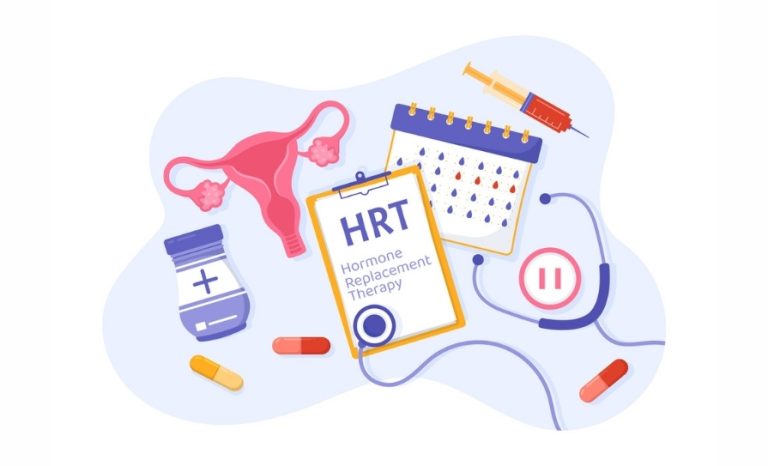
The most effective care for menopause draws from both conventional medicine and functional approaches. Hormone replacement therapy, when clinically appropriate, can offer substantial relief. The key lies in how it is administered, monitored, and integrated with lifestyle interventions.
Bioidentical hormones, prescribed based on individual need and genetic context, offer real advantages for many women. The delivery method matters as well. Transdermal applications bypass first-pass liver metabolism, which may reduce the risks that come with oral hormone therapy.
Ongoing monitoring keeps dosing both effective and safe. Beyond standard bloodwork, functional testing may include urinary hormone metabolites, inflammatory markers, nutrient levels, and thyroid panels. These comprehensive assessments guide adjustments and inform complementary treatment strategies.
What the Future of Menopause Medicine Looks Like
Emerging research in chronobiology, epigenetics, and systems biology is refining how menopause is approached clinically. Understanding circadian rhythm’s influence on hormone production and metabolism is opening new possibilities for timing interventions to maximize their effect.
Progress in nutrigenomics is revealing how genetic variations affect both hormone metabolism and individual nutrient needs. This allows for increasingly precise protocols that account for each person’s genetic predispositions.
Continuous biomarker monitoring is also becoming more viable, moving away from periodic testing toward a more dynamic view of how interventions affect real-time physiology. This enables more accurate, responsive adjustments.
True Vitality as the Goal
Women deserve more than symptom management during menopause. They deserve comprehensive support that honors their biochemical individuality and addresses the true foundations of health. When care expands beyond hormone replacement to encompass nutrition, movement, stress resilience, sleep, and environmental factors, the conditions for genuine vitality are created.
The menopause transition is an opportunity to reassess and rebuild health at every level. With proper support, women can move through this passage not just intact but renewed, with greater energy, mental clarity, and sense of purpose. This integrated model represents where women’s healthcare is headed, one where menopause is not a medical problem but a gateway to the most vital chapter of life.

Natasha Mankins
At Sultrosium Wellness, we provide a personalized approach to health by addressing the root causes of chronic conditions such as hormone imbalances, metabolic health concerns, and chronic pain. Guided by Dr. Natasha Mankins, PharmD, a seasoned functional medicine consultant and anti-aging practitioner, we blend traditional and holistic care into a seamless, collaborative experience for our patients.
We go beyond symptom management. Our process involves in-depth consultations, advanced lab testing, and over 20 years of compounding pharmacy expertise — all focused on uncovering the “why” behind how you feel. Whether you’re battling persistent fatigue, struggling with hormonal shifts, or simply feel like something is off, we’re here to help you connect the dots.