
Somewhere along the way, hormone therapy got filed under “comfort care.” Something you take for a few years to survive the hot flashes, then quietly stop.
That framing deserves scrutiny. Because when you follow the physiology, a different picture emerges.
Hormone therapy, done right, is one of the most powerful preventive tools available to women in midlife. It protects your bones, your heart, your brain, and your metabolism for decades after the last hot flash fades.
This article makes the case for treating menopause as a pivotal intervention point in your health trajectory. The evidence, the timing, and the functional medicine framework all point the same direction.
The Conventional Approach Treats Menopause as a Short-Term Problem
Here is what typically happens in a standard appointment. You describe your symptoms. Your provider offers a prescription to quiet them, or suggests you tough it out. If you do start hormones, the plan usually includes an exit strategy: lowest dose, shortest duration, stop as soon as possible.
That advice has consequences.
When your estrogen drops permanently, your body changes permanently. The hot flashes eventually stop on their own. The bone loss keeps going. The arterial stiffening keeps going. The metabolic shift keeps going.
Symptom relief was never the whole story. It was the visible tip of a much larger physiological event.
Functional medicine reframes this moment entirely. Menopause is a root cause intervention point. The question shifts from “how do I get through this transition” to “how do I protect the next several decades of my health.”
What You Actually Lose When Estrogen Declines
Estrogen touches nearly every system in your body. Receptors for it live in your bones, your blood vessels, your brain, and your muscle tissue. When levels fall, each of those systems feels it.
Your Bones
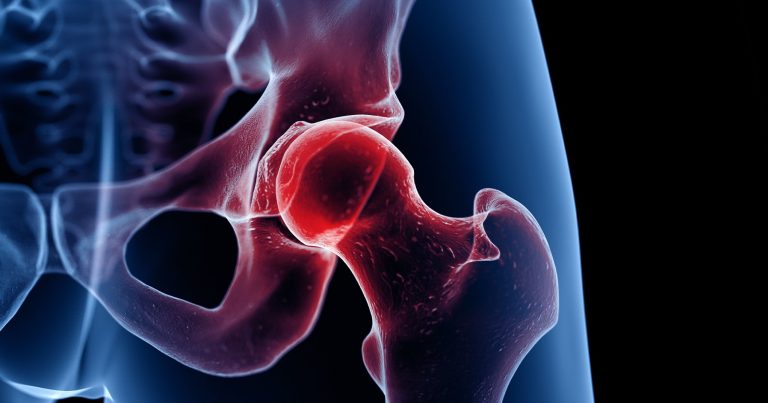
Estrogen regulates the constant remodeling process that keeps bone strong. Remove it, and breakdown outpaces rebuilding. The years immediately after menopause bring the fastest bone loss of your adult life, setting the stage for osteoporosis and fractures.
A hip fracture at 75 often traces back to bone density lost decades earlier.
Your Heart
Estrogen supports arterial flexibility and healthy cholesterol patterns. After menopause, your cardiovascular risk climbs. Heart disease remains the leading cause of death in women, and the hormonal shift of midlife is part of that story.
Your Brain
Your brain is full of estrogen receptors. They support memory, focus, and the energy metabolism your neurons depend on. The brain fog so many women describe in perimenopause is a real neurological signal. Long-term, estrogen decline correlates with increased dementia risk.
Your Metabolism
Hormone loss drives insulin resistance, abdominal weight gain, and a slow slide toward metabolic dysfunction. Many women eat the same and move the same, yet watch their body composition change anyway. The hormones changed first.
Key insight: These four systems decline quietly. You feel the hot flashes. You do not feel your bones thinning or your arteries stiffening until damage is already done.
The Timing Window That Shapes the Outcome
This is the part of the story that gets overlooked most often, and it matters enormously.
Optimizing hormones with Hormone Replacement Therapy (HRT) maximizes its cardiovascular and cognitive benefits. It’s best to start early, though it’s never too late to have a discussion with your healthcare practitioner about how hormones can help maintain healthy tissue and restore function.
Think of it like maintaining a house. Consistent upkeep keeps the structure sound. Deferred maintenance means you may face repairs that no longer restore the original condition.
Some women worry this creates dependency. A more accurate frame: you are maintaining the hormonal foundation your body was built to run on. Your cells did not stop needing estrogen at 51. Your ovaries stopped making it, and your adrenal glands can’t keep up.
Donna Figueroa, founder of Midlife Midwife Functional Health, lived this firsthand. In 2015, she was deep in perimenopause, 40 pounds overweight, with excruciating joint pain and two failing hips. Surgery was on the table. She chose to investigate root causes instead. Through early intervention, regenerative and functional medicine strategies, her pain resolved, she avoided surgery, lost the weight, and turned back her biological clock. Her biological age now registers years younger than her chronological age.
Early intervention changed her trajectory. The same window exists for you.
Hormones Work Best Inside a Functional Medicine Framework
Here is where an honest assessment matters. HRT alone will not fix everything. This approach has limits when it operates in isolation.
Your hormones interact constantly with:
- Gut health, which governs how you metabolize and clear excess estrogen
- Chronic inflammation, which blunts hormone signaling
- Nutrient status, since hormone production and detoxification require specific building blocks
- Toxic exposures, including chemicals that disrupt your endocrine system
Optimize your diet, sleep, stress load, and movement, and HRT’s preventive effects amplify. Ignore them, and you undercut your own investment.
Personalization matters just as much. The dose, the delivery method, and the specific hormones you need are unique to you. A one-size-fits-all prescription treats you like an average. You are a specific person with specific labs, history, and goals.
Important: Long-term hormone therapy requires regular monitoring. Your levels, your symptoms, and your risk markers should be reassessed on an ongoing basis, with your protocol adjusted as your body changes.
The Diseases You Are Actually Preventing
Reframe the decision this way. When you commit to a well-managed, personalized HRT protocol inside a functional medicine plan, here is what you are working to prevent:
- Osteoporosis and fractures. Maintaining bone density preserves your mobility and independence into your 70s, 80s, and beyond.
- Cardiovascular disease. Protecting arterial health addresses the leading cause of death in women.
- Alzheimer’s and cognitive decline. Preserving brain function protects your memory, your autonomy, and your relationships.
- Type 2 diabetes and metabolic syndrome. Stabilizing insulin sensitivity interrupts the chronic disease cascade before it starts.
Each of these conditions takes decades to develop. Each one begins its acceleration in perimenopause and the years right after menopause. That is precisely why the intervention window matters so much.
You are choosing between two versions of your future self. The version you invest in now is the one you get to live in later.
How to Make the Long-Term Decision
If this perspective resonates, here is a practical path forward.
1. Find the Right Provider
Work with someone trained in functional medicine and personalized hormone optimization protocols. Ask how they approach root causes, how they dose, and how often they monitor. Their answers will tell you quickly whether they see hormone replacement as short-term symptom control or long-term prevention.
2. Establish Your Baseline
Before starting anything, get comprehensive testing: hormone levels, bone density, metabolic markers, and cardiovascular risk factors. You need to know your starting point to measure your progress.
3. Commit to Ongoing Assessment
Your needs in your 50s will differ from your need in your 60s, 70s and beyond. Continuous monitoring and adjustment keep your protocol safe and effective as you age.
4. Build the Foundation Around It
Address your nutrition, sleep, stress, movement, gut health, and toxic exposures at the same time. Hormones amplify a healthy foundation. They cannot substitute for one.
The Bottom Line
The conventional framing of hormone therapy sells you short. It offers you a few years of relief, then hands you back to a body losing its protective hormonal foundation.
The evidence supports a bigger vision. When personalized to your biology, and embedded in a root cause approach, Hormone Optimization becomes an investment in feeling strong, sharp, and vibrant at 70, 80, and beyond.
Menopause will happen either way. What you do in response is yours to decide.
The women who thrive in their later decades tend to be the ones who treated midlife as a turning point worth planning for. You have that same window open right now. Use it well.

Donna Figueroa, CNM, FMACP, MSN, APRN
Donna is passionate about guiding women through midlife transformation. She is a Certified Functional Medicine Provider, Licensed Nurse Practitioner, and Board-Certified Nurse Midwife who has spent the last 15 years caring for women across the lifespan and solving medical mysteries for many who have otherwise been unable to find resolution elsewhere.
In 2015 Donna found herself in the throes of perimenopause, 40 pounds overweight with excruciating joint pain, 2 failing hips, a dependence on NSAIDs, thinning hair, weak nails, and hot flashes galore. Her physical therapist told her she needed double hip replacement surgery. Instead of going under the knife and falling prey to worsening menopausal symptoms, Donna researched alternatives and discovered the wonders of Functional Medicine!
Within weeks, her pain resolved; Donna avoided surgery, discontinued taking NSAIDs, and lost 40 pounds by addressing the root cause of her chronic inflammation, changing her lifestyle, altering her diet, and reducing toxic exposures.
Donna even turned back her biological clock, which currently registers at 14 years younger than her chronological age.
Donna’s health transformation fueled her enthusiasm and desire to help others achieve the same success, and she is committed to providing guidance and support to anyone who is determined to do… Read more