Finally.
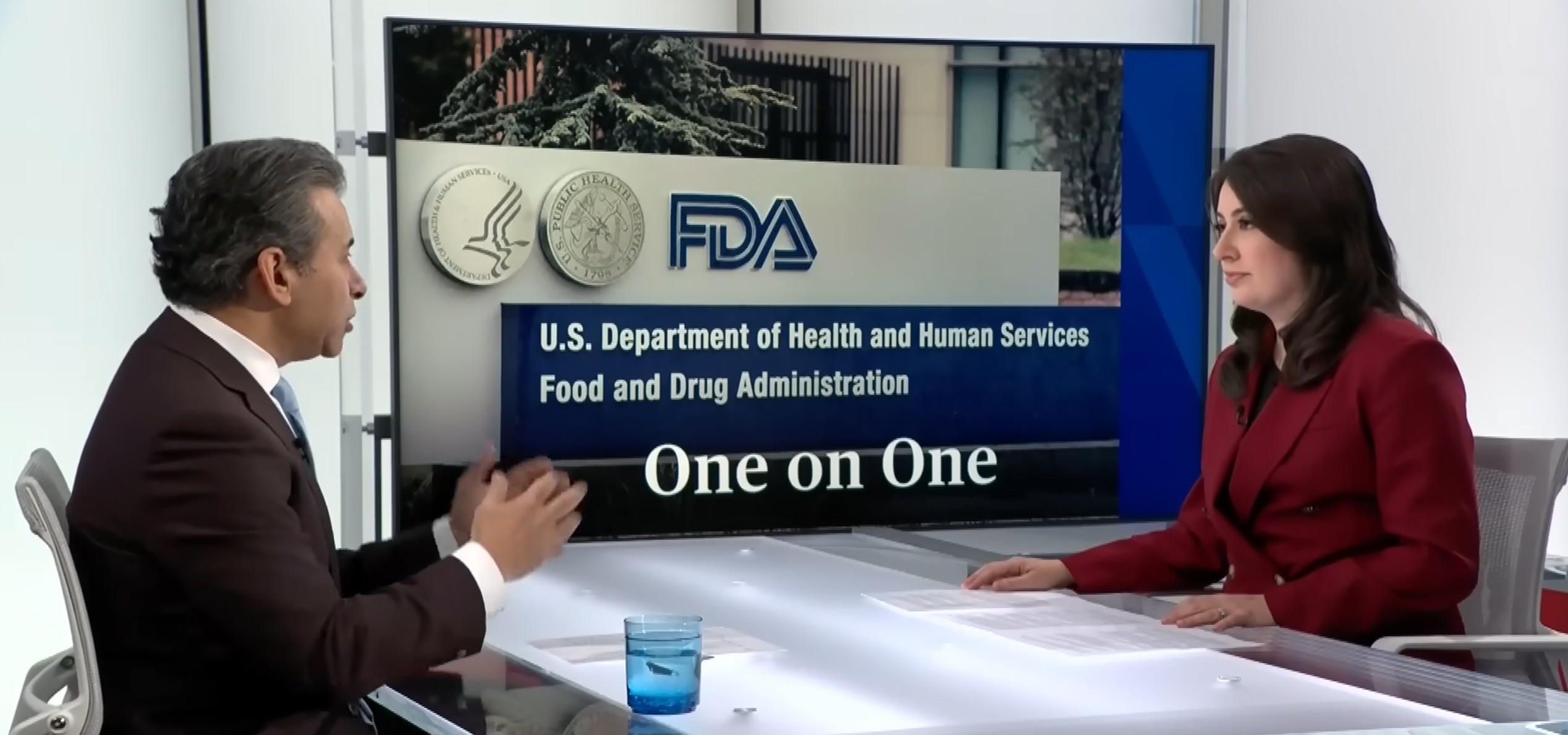
When I heard the FDA removed those misleading warnings on hormone therapy, that was my first thought. Anyone who knows the science knows those warnings had nothing to do with bio-identical human hormones. The disservice to women was criminal.
I’ve spent over a decade specializing in hormone optimization. I’ve watched women suffer needlessly because government warnings scared them away from treatment that could have protected their hearts, their bones, and their quality of life.
Now those warnings are gone. You deserve to understand what this really means.
The Science Medical Students Learn on Day One
Every medical student learns the Framingham Study. The findings are clear: a woman’s risk of heart attack before menopause is essentially nil. After menopause, her risk equals a man her age.
Heart disease kills more women than any other cause.
Giving back bio-identical estrogen lowers this risk significantly. But there were these misleading warnings standing in the way.
I’d sit in the exam room explaining this to patients. I’d point out that the studies behind those warnings did not use human hormones. We didn’t have them available at that time. The studies used horse hormones from urine.
Premarin. The name literally comes from PREgnant MARe urINe.
Horse Hormones vs. Human Hormones
Most people think hormone therapy is just one thing. It’s not.
When I explain the distinction between Premarin and bio-identical human hormones, some patients get it immediately. Others would say they still had to “think about it.” Those government warnings are powerful. Powerfully misleading.
The warnings were based on synthetic and animal-derived hormones that don’t match what your body produces. Bio-identical hormones are molecularly identical to what your ovaries made before menopause.
That difference matters.
Beyond Heart Disease: The Osteoporosis Connection
Osteoporosis does not occur before menopause.
Women don’t stop eating calcium-rich foods when they turn 45. Their estrogen levels go down. Estrogen is responsible for bone mineralization.
Here’s what happens: A woman develops osteoporosis due to lack of estrogen. She falls down. Goes to the hospital. Gets pneumonia. Dies.
This could have been prevented if her estrogen had been optimized.
But those warnings kept women from getting treatment. I knew this progression was preventable. I’d explain why the studies were flawed. But I can’t force someone to do something. The patient has to decide if they want to go with my suggestions.
Even with my expertise and explaining the flawed studies, the FDA warnings still held enough weight to make patients hesitate or refuse treatment.
What Changes Now
Most of my patients would go with my suggestions once they understood the science. Now that the warnings have been removed, I imagine all will seek optimal estrogen levels.
Optimal. Not just replacement. Optimization.
Every woman’s estrogen need is different. Finding what level works best for her takes some time. There is no standardized dose.
The questions we ask and their answers determine management. Does she suffer from vaginal dryness or hot flashes? She needs more estrogen. Is she having breakthrough bleeding, cramps, or breast tenderness? Her estrogen levels are too high.
This is individualized medicine. Symptom-based. Practical.
The Medical Education Gap
I can see primary care physicians finally writing for estrogen. The problem is, we never learned how to do this in medical school. Few PCPs have experience with bio-identical hormones and how to use them optimally.
The FDA removes the warnings, but the medical education system hasn’t prepared most doctors to actually prescribe bio-identical hormones properly.
Women who’ve been suffering through menopause because they were scared by those warnings should see providers with experience. Providers like me, with over a decade of experience with bio-identical hormones.
The longer they wait, the more at risk they are.
A Vision for the Future
When I look back at this FDA decision years from now, I hope to see something different about how women experience menopause and aging.
If started early, I can see the day where the stormy symptoms of menopause no longer occur and the seas are calm and flat.
That’s not just poetic language. That’s what proper hormone optimization can do.
This FDA decision validates what I’ve been advocating for years. Evidence-based medicine. Patient care grounded in science, not fear. Treatment that addresses root causes instead of just managing symptoms.
Women deserve better than what those warnings gave them. They deserve physicians who understand the difference between horse hormones and human hormones. They deserve individualized care based on how they feel, not standardized protocols based on flawed studies.
What You Should Do Next
If you’ve been avoiding hormone therapy because of those warnings, it’s time to reconsider.
Find a provider with real experience in bio-identical hormone optimization. Not someone who just read about it. Someone who has managed hundreds of patients through this process.
Ask about their approach. Do they individualize dosing? Do they adjust based on your symptoms? Do they understand the difference between synthetic hormones, animal-derived hormones, and bio-identical hormones?
Your heart health depends on it. Your bone health depends on it. Your quality of life depends on it.
The FDA has finally removed the barriers. Now it’s up to you to take the next step.
The science has always been clear. The Framingham Study taught us decades ago that estrogen protects women’s hearts. We’ve known for years that estrogen prevents osteoporosis. The evidence was there all along.
Those warnings just got in the way.
Now they’re gone. And women can finally get the care they’ve always deserved.

George K. Ibrahim, MD, MBA
I am an educator speaking on the dangers of menopause, andropause, and how hormone optimization is the most natural and safest way to lower risks of cardiac disease, Alzheimer’s, osteoporosis, and many other ailments.
I work with patients looking for a physician-supported weight loss program by using hormones in a way that optimizes workouts and energy levels. I’ve diagnosed prostate cancer in a number of patients who would have otherwise gone completely undetected or where detection could have been delayed by years. My background allows me to detect signs in men, sending them directly to a practicing urologist who can confirm the diagnosis and take swift measures to treat this devastating cancer before it can cause harm.
We also offer tailored hormone treatment, laser-assisted treatments, and PRP to women with mild to moderate stress urinary incontinence. We perform a procedure in the office, under local anesthesia, using the body’s own growth factors. This procedure has helped patients see significant improvement, if not cessation, of their incontinence. I opened Biltmore Restorative Medicine & Aesthetics in early 2013. My goal was simple; to be the most highly trained, experienced physician practicing hormone optimization—period.
Ten years ago, I was diagnosed with… Read more