Menopause isn’t a problem to solve. It’s an opportunity to reclaim your health at its foundation.
I’ve watched as countless women transform their menopausal experience from a series of unmanageable symptoms into a gateway for profound health transformation. The difference? A functional medicine approach that sees beyond the surface.
When we shift our perspective from viewing menopause as something to endure to seeing it as a natural transition worthy of personalized care, everything changes.
Why Traditional Approaches Fall Short
Most conventional medical approaches to menopause focus on hormone replacement or masking symptoms with pharmaceuticals. While helpful for some, these approaches miss the big picture.
Hot flashes, mood swings, and sleep disturbances aren’t just isolated symptoms. They’re messages from your body revealing deeper patterns of imbalance.
These patterns often involve multiple body systems working in concert. Your digestive health, stress response, inflammatory processes, and detoxification pathways all influence how you experience menopause.
Functional medicine takes a holistic and patient-centered approach to women’s health, focusing on identifying the root causes of hormonal imbalances rather than just treating symptoms.
This difference is crucial. When we address only symptoms, relief is temporary. When we address root causes, transformation becomes possible.
The Whole-Body Approach to Hormonal Balance
In my practice, I begin by listening to a woman’s complete health story. This isn’t just about current symptoms but includes her entire health journey.
What patterns emerge? Where did imbalances begin? How have previous interventions helped or hindered?
From there, we explore multiple factors that influence hormonal health:
Nutrition as medicine. Specific foods can either calm or inflame your system during menopause. Plant-based foods containing phytoestrogens, such as soy and flaxseed, can help balance hormones naturally. Omega-3 rich foods combat the inflammation that often worsens menopausal symptoms.
Movement that heals. Exercise isn’t just about weight management during menopause. The right kinds of movement can optimize hormone production, improve insulin sensitivity, and enhance mood through natural endorphin release.
Stress response regulation. Chronic stress depletes the same precursor hormones needed for estrogen and progesterone production. Learning to regulate your nervous system becomes essential during hormonal transitions.
Sleep quality optimization. Poor sleep amplifies nearly every menopausal symptom. Addressing sleep disturbances often creates a positive cascade effect on other symptoms.
Gut health restoration. Your microbiome influences how you metabolize hormones. An imbalanced gut can recirculate hormones that should be eliminated, creating further imbalance.
The Mind-Body Connection in Menopause
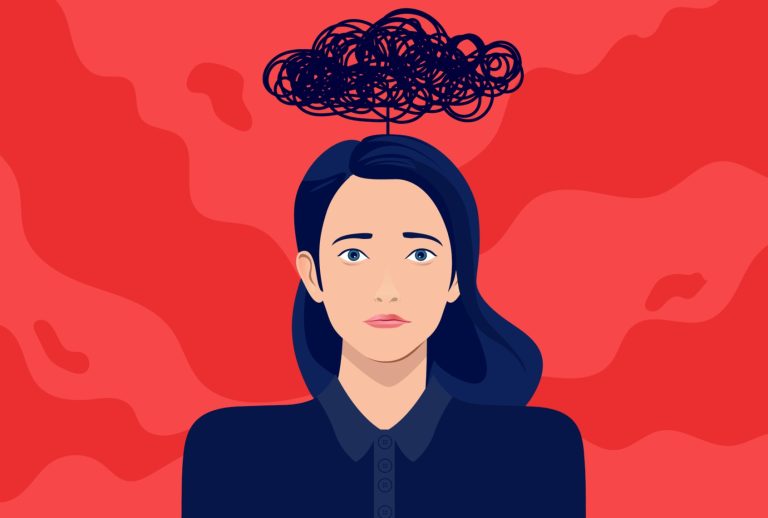
The most overlooked aspect of menopause care may be the profound connection between mental and physical symptoms.
Mind-body interventions such as relaxation, mindfulness, and cognitive behavioral therapy can help reduce stress and menopausal symptoms.
I’ve seen remarkable transformations in women who incorporate these practices. One client experienced a 70% reduction in hot flash frequency after implementing a daily meditation practice alongside nutritional changes.
This isn’t surprising when we understand how stress hormones interact with sex hormones. Chronic stress triggers cortisol release, which can block progesterone receptors and create estrogen dominance patterns.
By addressing the mind-body connection, we’re not just managing symptoms. We’re restoring fundamental balance to the entire hormonal cascade.
Personalized Solutions for Individual Journeys
No two women experience menopause identically. Your genetic makeup, health history, lifestyle, and even beliefs about menopause all shape your experience.
This is why standardized protocols often disappoint. What works beautifully for one woman may do little for another.
Functional medicine excels in personalization. Through comprehensive testing and thorough health history analysis, we can identify your unique pattern of imbalance.
For some women, thyroid function needs attention first. For others, addressing insulin resistance creates the foundation for hormonal balance. Still others benefit most from focusing on detoxification pathways or inflammatory processes.
The key is identifying your personal hierarchy of healing needs rather than following a one-size-fits-all approach.
The Empowerment Factor
Perhaps the most powerful aspect of the functional medicine approach to menopause is the shift from passive patient to active participant in your health.
When you understand the “why” behind your symptoms and see how lifestyle choices directly impact your experience, you regain a sense of agency over your health.
This empowerment extends beyond symptom management. Women who embrace this approach often report a renewed sense of purpose and clarity during their menopausal transition.
I’ve witnessed women use this time to reimagine their health, careers, relationships, and creative pursuits. Menopause becomes not just an ending but a powerful beginning.
The Changing Landscape of Menopause Care
We’re fortunate to be living in a time of rapidly expanding knowledge about menopause. After decades of neglect, research funding for menopause and public awareness are now on the rise.
Women are increasingly demanding better care and more comprehensive approaches to this significant life transition. The conversation is shifting from whispers to empowered dialogue.
Functional medicine has been at the forefront of this evolution, offering solutions that address the complexity of menopausal changes rather than reducing them to a simple hormone deficiency.
As more research emerges supporting integrative approaches, we’re seeing a gradual shift in the standard of care toward more personalized, root-cause focused solutions.
Your Next Steps Toward Hormonal Wellness
If you’re approaching or experiencing menopause, consider these foundational steps:
Seek comprehensive assessment. Look beyond basic hormone panels to understand your full hormonal picture, including adrenal function, thyroid health, and inflammatory markers.
Prioritize anti-inflammatory nutrition. Focus on whole foods rich in phytonutrients, healthy fats, and clean protein while minimizing processed foods, excess sugar, and inflammatory oils.
Develop stress resilience practices. Identify daily practices that help regulate your nervous system, whether through meditation, breathwork, time in nature, or creative expression.
Optimize sleep foundations. Create consistent sleep and wake times, limit blue light exposure in the evening, and create a sleep environment that supports deep rest.
Build community. Connect with others navigating similar transitions. Shared wisdom and support can transform your experience.
Menopause isn’t just a hormonal event. It’s a whole-body, whole-life transition that deserves comprehensive care and attention.
When approached through the lens of functional medicine, menopause can become not just manageable but transformative. A gateway to perhaps the most vibrant, balanced, and purposeful chapter of your life.