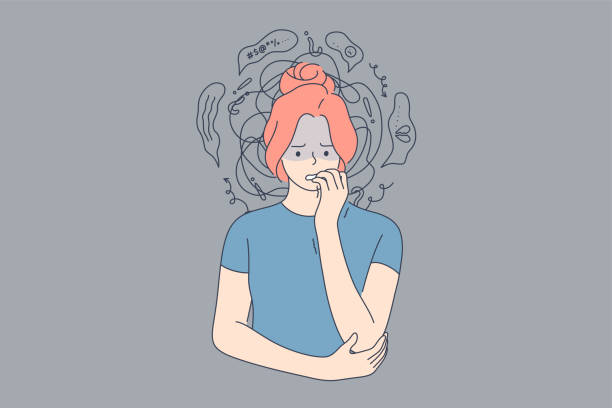
At Venture Wellness, we understand that stress is a part of life. Whether it’s from work, family responsibilities, or health concerns, it’s something we all face. However, many people don’t realize just how much stress can impact our hormones and overall health. Stress affects us in ways that can be both physical and emotional, influencing our mood, energy, and even weight. Understanding how stress affects hormone levels and learning how to manage it is key to long-term wellness.
How Stress Affects Your Hormones
When you experience stress, your body activates the “fight or flight” response, releasing a series of hormones like cortisol, adrenaline, and norepinephrine. These hormones are designed to help you handle immediate threats. However, when stress becomes chronic, these hormones stay elevated, leading to imbalances that can wreak havoc on your overall health.
Cortisol: The Stress Hormone
Cortisol is one of the most well-known stress hormones. It is released by the adrenal glands in response to stress and plays a role in regulating many processes in the body, including metabolism, immune function, and blood pressure. However, when cortisol levels remain elevated due to ongoing stress, it can lead to a number of issues such as:
- Weight Gain: Elevated cortisol levels are linked to increased appetite, particularly for high-fat and high-sugar foods. This can lead to weight gain, especially around the belly.
- Sleep Problems: Cortisol also has a role in regulating your sleep-wake cycle. High cortisol levels can make it difficult to fall asleep or stay asleep, leading to insomnia or poor-quality sleep.
- Mood Swings and Anxiety: Chronic stress can affect the production of other hormones like serotonin and dopamine, which are involved in mood regulation. This can result in feelings of anxiety, irritability, or depression.
Other Hormonal Imbalances
In addition to cortisol, stress can impact other hormones that are essential for overall wellness, including:
- Thyroid Hormones: Chronic stress can interfere with thyroid function, leading to an underactive thyroid (hypothyroidism), which can cause fatigue, weight gain, and depression.
- Insulin: Prolonged stress can lead to insulin resistance, increasing the risk of type 2 diabetes and other metabolic disorders.
- Sex Hormones: Stress can affect sex hormones such as estrogen and testosterone, leading to imbalances that may cause fatigue, reduced libido, and irregular periods.
The Importance of Stress Management for Hormonal Balance
Managing stress is essential for keeping your hormones in balance and maintaining overall wellness. Fortunately, there are several techniques you can incorporate into your daily routine to reduce stress and support hormonal health.
Tips for Stress Management and Wellness
- Mindfulness and Meditation
- Practicing mindfulness and meditation can be incredibly effective in reducing stress. These practices help activate the body’s relaxation response, reducing cortisol levels and promoting emotional well-being. Even just 5-10 minutes a day can make a big difference.
- Exercise Regularly
- Physical activity is a great way to reduce stress and regulate hormone levels. Exercise boosts endorphins, which are natural mood elevators, and helps lower cortisol. Aim for at least 30 minutes of moderate activity, such as walking, yoga, or swimming, most days of the week.
- Prioritize Sleep
- Sleep is essential for hormone regulation. Chronic sleep deprivation can increase cortisol levels and disrupt the balance of other hormones. Establish a relaxing bedtime routine, aim for 7-9 hours of sleep per night, and avoid stimulants like caffeine before bed.
- Healthy Eating
- Eating a balanced, nutritious diet can help manage stress and keep hormones balanced. Focus on whole foods, such as fruits, vegetables, lean proteins, and healthy fats, while reducing your intake of processed foods and sugars. Omega-3 fatty acids, found in foods like salmon and walnuts, can help reduce inflammation and cortisol levels.
- Deep Breathing Exercises
- Deep breathing exercises, such as diaphragmatic breathing or the 4-7-8 technique, can activate the parasympathetic nervous system and help reduce stress. Try incorporating deep breathing into your daily routine to promote relaxation and reduce cortisol levels.
- Social Support
- Social connections are vital for stress management. Spending time with loved ones, talking to a friend, or joining a community group can provide emotional support and help buffer against the effects of stress.
- Self-Care
- Taking time for self-care is crucial for maintaining balance. Whether it’s taking a warm bath, enjoying a hobby, or getting a massage, these activities help reduce stress and promote relaxation.
- Consider Professional Help
- If stress is overwhelming and affecting your daily life, consider speaking to a healthcare provider. At Venture Wellness, we offer personalized wellness plans that can help you manage stress, balance hormones, and improve your overall health. Whether it’s hormone therapy or stress management techniques, we’re here to support you on your wellness journey.
Hormone Therapy for Stress and Wellness
For those dealing with the long-term effects of stress on their hormones, hormone therapy may be an option. At Venture Wellness, we offer hormone replacement therapy (HRT) and other treatments designed to restore hormonal balance, reduce stress, and improve overall wellness. If you feel that chronic stress is affecting your hormones, we can help you determine the best treatment plan for your needs.
Conclusion
Stress is a natural part of life, but when it becomes chronic, it can have a significant impact on your hormones and overall well-being. By practicing stress management techniques and focusing on maintaining hormonal balance, you can support your long-term health and wellness. If you’re struggling with stress and its effects on your hormones, don’t hesitate to reach out to us at Venture Wellness. Our team is here to help you regain balance and live your healthiest life.