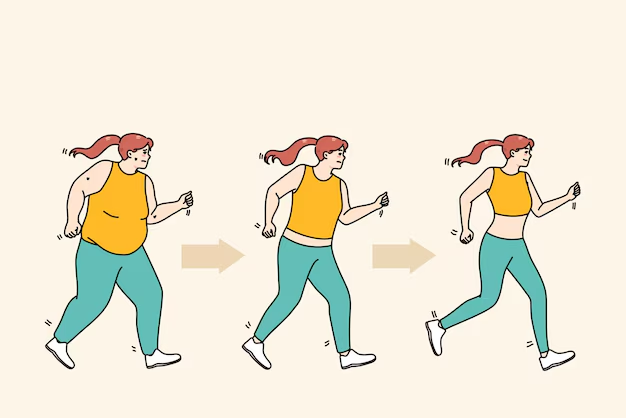
Are you struggling with persistent weight gain despite your best efforts? At Lakeside Holistic Health, we provide expert insights to help you navigate your health journey.
This article explores ten critical hormones that impact weight gain in women, offering you the knowledge to move beyond restrictive diets and embrace sustainable wellness. Take the first step toward a healthier you with our integrative approach.
Weight gain is often attributed to poor diet or lack of exercise, but for women, the story is more complex. Hormones act as the body’s chemical regulators, influencing appetite, metabolism, and fat distribution. Below, we uncover how these hormones contribute to weight gain and share strategies to restore balance.
Hormones orchestrate vital bodily functions like hunger, energy use, and fat storage. Key players such as leptin, insulin, estrogen, and testosterone maintain equilibrium when balanced, but disruptions can lead to weight gain and other health challenges. Understanding these dynamics is essential for effective weight management.
-
Thyroid Hormones
The thyroid gland releases T3, T4, and calcitonin, which govern metabolism, sleep, heart rate, and growth. Insufficient production of these hormones can lead to hypothyroidism, slowing metabolism and causing weight gain, alongside symptoms like fatigue, constipation, and low mood.
-
Leptin
Leptin signals satiety, telling your brain to stop eating when you’re full. However, overconsumption of sugary or processed foods can lead to excess fat storage, particularly in the liver and abdomen. These fat cells produce additional leptin, desensitizing the body and disrupting hunger cues, which can drive significant weight gain.
-
Insulin
Produced by the pancreas, insulin helps cells absorb glucose for energy or storage. Overindulgence in processed foods, alcohol, or artificial sweeteners can cause insulin resistance, where cells reject insulin, leaving excess glucose in the bloodstream. This contributes to weight gain and increases the risk of type 2 diabetes.
-
Estrogen
Both high and low estrogen levels can trigger weight gain. Elevated estrogen can disrupt insulin-producing cells, leading to insulin resistance and higher blood sugar, which promotes fat storage. During menopause, declining estrogen levels prompt the body to store energy as fat, often in the lower body, to compensate for reduced ovarian estrogen production.
-
Cortisol
Secreted by the adrenal glands during stress, anxiety, or injury, cortisol manages energy allocation. Chronic high cortisol levels can increase visceral fat, promote fat cell growth, and cause insulin resistance, all of which contribute to weight gain.
-
Progesterone
Progesterone works in tandem with estrogen to maintain bodily balance. Factors like menopause, stress, hormonal birth control, or antibiotic-laden foods can lower progesterone levels, leading to weight gain and emotional challenges like depression.
-
Ghrelin
Known as the “hunger hormone,” ghrelin, produced primarily in the stomach, stimulates appetite and fat storage. Elevated ghrelin levels, often seen in obesity or during restrictive diets and fasting, can intensify hunger and lead to weight gain.
-
Testosterone
Women produce small amounts of testosterone in the ovaries, which supports fat burning, muscle strength, and libido. Stress or aging can reduce testosterone, increasing inflammation and fat accumulation, particularly in the abdominal area.
-
Melatonin
Secreted by the pineal gland, melatonin regulates sleep-wake cycles. At night, it supports the release of growth hormone, aiding muscle repair and bone health. Disrupted sleep, poor darkness in your sleep environment, or irregular circadian rhythms can trigger stress responses, inflammation, and subsequent weight gain.
-
Glucocorticoids
Glucocorticoids help manage inflammation and regulate the metabolism of sugars, fats, and proteins. However, they prioritize fats and proteins over glucose for energy, which can elevate blood sugar and contribute to insulin resistance, obesity, or even diabetes if not addressed.
Maintaining hormonal harmony is key to managing weight effectively. Here are actionable steps to support your journey:
-
Adopt a Balanced Diet
Focus on whole foods like fruits, vegetables, lean proteins, and whole grains. Minimize processed foods, sugars, and unhealthy fats to support hormonal health.
-
Stay Active
Regular exercise helps regulate hormones and supports weight loss. Aim for 150 minutes of moderate aerobic activity or 75 minutes of vigorous exercise weekly.
-
Manage Stress
Chronic stress disrupts hormonal balance. Incorporate stress-relief practices like yoga, meditation, or deep breathing to keep cortisol levels in check.
-
Prioritize Sleep
Aim for 7-9 hours of quality sleep nightly to stabilize hunger hormones and support overall health.
-
Schedule Regular Check-ups
Routine medical evaluations can detect hormonal imbalances early, helping you address potential weight gain proactively.
-
Get Tested
Knowing your hormone levels and how your body metabolizes them is critical for tailored interventions. Testing provides the foundation for effective weight management strategies.
Understanding how hormones influence weight gain empowers women to make informed choices for lasting wellness. While hormonal fluctuations are a natural part of life, a balanced lifestyle—supported by proper nutrition, exercise, stress management, and medical oversight—can keep them in check. At Lakeside Holistic Health, our integrative approach, led by experienced practitioners, combines functional medicine with targeted testing to address the root causes of your health concerns. Start your journey to a healthier, more vibrant you today.