Synopsis: This article reveals how 20% of bone density vanishes during menopause not from calcium deficiency but from estrogen loss affecting bone tissue receptors, with the critical first five years representing the crucial intervention window most women miss by following conventional calcium-and-walking advice. It presents bioidentical hormone therapy reducing fracture risk by 20-40% through estradiol’s cellular mechanism slowing bone breakdown while supporting formation, combined with weight-bearing resistance training producing 11% bone density increases and comprehensive nutrition including often-overlooked vitamin K2, magnesium, and adequate protein for proactive bone protection starting at age 45.
Top 5 Questions Answered:
- Why does bone loss accelerate during menopause despite adequate calcium intake?
- How do bioidentical hormones protect bones at the cellular receptor level?
- What exercise produces bone density increases rivaling medication effectiveness?
- Why are vitamin K2, magnesium, and protein as important as calcium and vitamin D?
- When should women begin bone density monitoring and hormone optimization for maximum benefit?
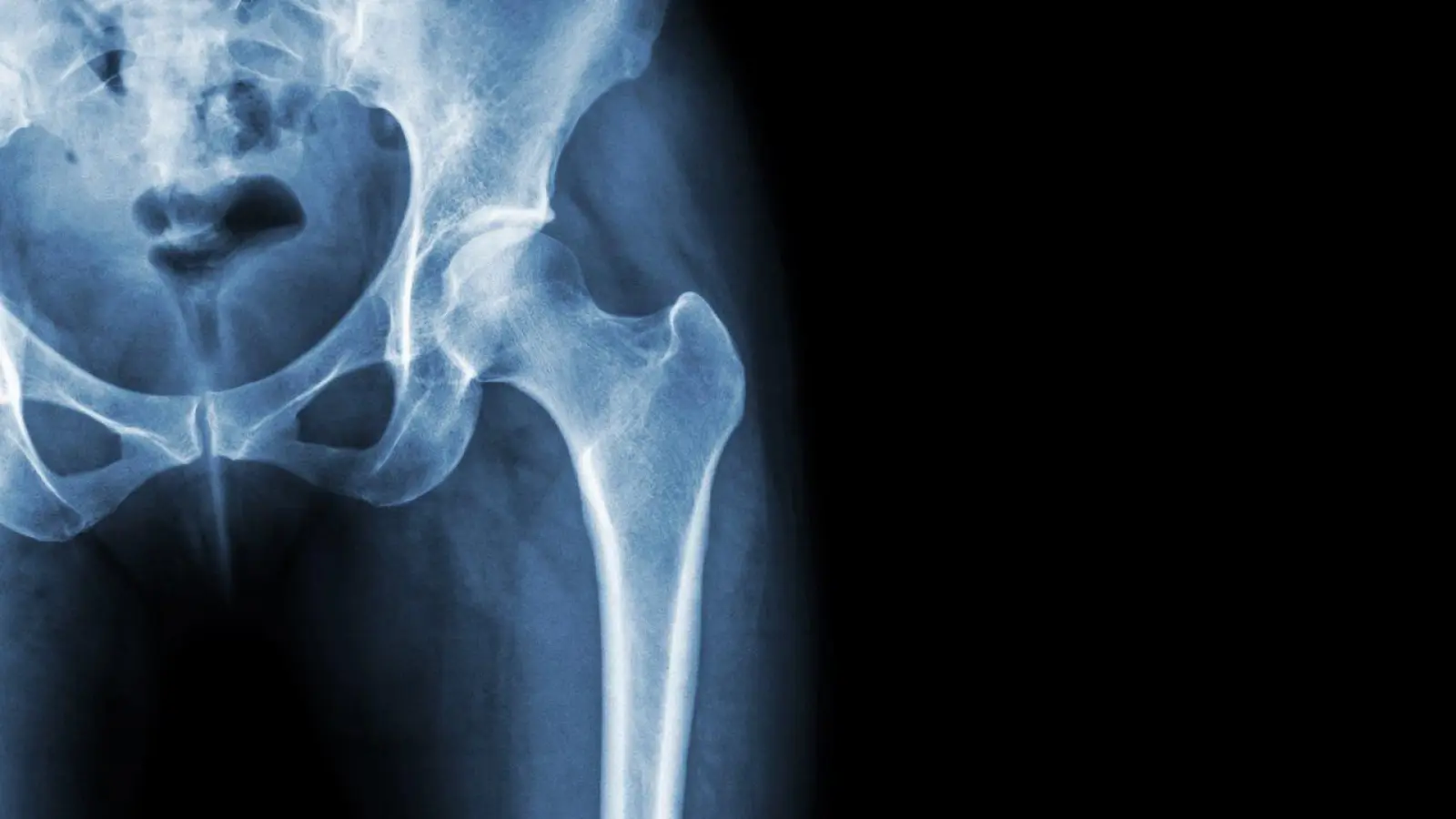
Twenty percent of your bone density vanishes during menopause. Women do not stop eating calcium rich foods when they reach menopause, so it is not lack of calcium, it is the lack of estrogen, that leads to osteoporosis.
Half of all women over fifty will break a bone because of osteoporosis. These numbers represent more than statistics. They represent fractures, pain, and lost independence that could be prevented.
I see women in my practice who assumed calcium supplements and walking would protect their bones. They followed conventional advice perfectly. Yet their DEXA scans reveal dangerous bone loss.
The missing piece? Hormones.
The Critical Window You Cannot Ignore
Bone loss accelerates dramatically during your first five years of menopause. This represents your most crucial intervention window.
Your bones contain estrogen receptors throughout their structure. When estrogen levels plummet during menopause, these receptors signal increased bone breakdown. The process happens faster than most women realize.
Traditional medicine often waits until osteoporosis develops before acting. This reactive approach misses the opportunity to prevent bone loss entirely.
Hormone optimization takes a different path.
How Bioidentical Hormones Protect Your Bones
Bioidentical hormone replacement therapy does more than manage hot flashes and mood swings. Research shows hormone therapy reduces fracture risk by twenty to forty percent at all bone sites.
Estradiol, the primary estrogen in bioidentical therapy, carries FDA approval specifically for osteoporosis prevention. This represents decades of research confirming its bone-protective effects.
The mechanism works at the cellular level. Estradiol binds to bone tissue receptors, slowing the breakdown process while supporting new bone formation. Studies demonstrate bone density increases of three to five percent within two years of treatment.
I prescribe bioidentical hormones as part of a comprehensive bone health strategy. The approach considers your individual hormone levels, bone density measurements, and overall health profile.
Every woman’s hormone needs differ. Customized treatment produces better outcomes than one-size-fits-all protocols.
Building Stronger Bones Beyond Hormones
Hormone optimization provides the foundation, but comprehensive bone health requires additional strategies.
Weight-bearing exercise transforms bone density.
German researchers found that postmenopausal women gained eleven percent bone mineral density in their hips after three years of strength training. This level of improvement rivals many medications.
Resistance training signals your bones to strengthen themselves. The mechanical stress from lifting weights triggers bone-building cells called osteoblasts. These cells deposit new calcium and minerals, increasing bone density over time.
I recommend starting with bodyweight exercises if you’re new to strength training. Squats, lunges, and push-ups provide excellent bone-building stimulus. Progress to weighted exercises as your strength improves.
Nutrition supports the building process.
Calcium and vitamin D receive the most attention, but magnesium, vitamin K2, and protein play equally important roles. Without vitamin K2, a person cannot absorb the vitamin D needed for bone health.
Adequate protein intake becomes crucial after forty. Your bones consist of approximately fifty percent protein by volume. Without sufficient dietary protein, your body cannot build new bone tissue effectively.
Timing Your Bone Protection Strategy
The ideal time to begin bone density monitoring is age forty-five, before menopause begins. Baseline measurements allow us to track changes and intervene early when bone loss accelerates.
I recommend DEXA scans every two years for women in their forties and fifties. More frequent monitoring may be necessary if you have risk factors like family history, smoking, or certain medications.
Hormone optimization works best when started during perimenopause, before significant bone loss occurs. Women who begin treatment early maintain higher bone density throughout their later years.
The window for maximum benefit extends approximately ten years after menopause begins. Starting treatment during this period still provides substantial fracture protection.
Your Bones Deserve Better Than Hope
Traditional osteoporosis prevention relies on hope that calcium and exercise will suffice. This passive approach fails too many women.
Active bone protection through hormone optimization offers a different outcome. Combined with targeted exercise and proper nutrition, bioidentical hormones can maintain and even improve bone density as you age.
The choice between reactive and proactive bone care determines your future mobility and independence. Fractures steal more than physical strength. They rob confidence, limit activities, and diminish quality of life.
I have seen women in their seventies maintain the bone density of women decades younger through comprehensive hormone optimization and lifestyle strategies. Their secret lies in starting early and staying consistent.
Your bones respond to the signals you provide them. Hormones, exercise, and nutrition all communicate messages about strength and resilience. Make sure those messages support the active, independent life you want to maintain.
The foundation you build today determines the strength you will have tomorrow.

George K. Ibrahim, MD, MBA
I am an educator speaking on the dangers of menopause, andropause, and how hormone optimization is the most natural and safest way to lower risks of cardiac disease, Alzheimer’s, osteoporosis, and many other ailments.
I work with patients looking for a physician-supported weight loss program by using hormones in a way that optimizes workouts and energy levels. I’ve diagnosed prostate cancer in a number of patients who would have otherwise gone completely undetected or where detection could have been delayed by years. My background allows me to detect signs in men, sending them directly to a practicing urologist who can confirm the diagnosis and take swift measures to treat this devastating cancer before it can cause harm.
We also offer tailored hormone treatment, laser-assisted treatments, and PRP to women with mild to moderate stress urinary incontinence. We perform a procedure in the office, under local anesthesia, using the body’s own growth factors. This procedure has helped patients see significant improvement, if not cessation, of their incontinence. I opened Biltmore Restorative Medicine & Aesthetics in early 2013. My goal was simple; to be the most highly trained, experienced physician practicing hormone optimization—period.
Ten years ago, I was diagnosed with… Read more