My labs came back “normal.”
That’s what I kept hearing during my long COVID recovery. Normal TSH. Normal everything. Yet I was drowning in fatigue, brain fog, anxiety, and menstrual changes no one could explain.
As a Nurse Practitioner, that word felt like a trap.
Because I didn’t feel normal. I felt like my body had turned against me.
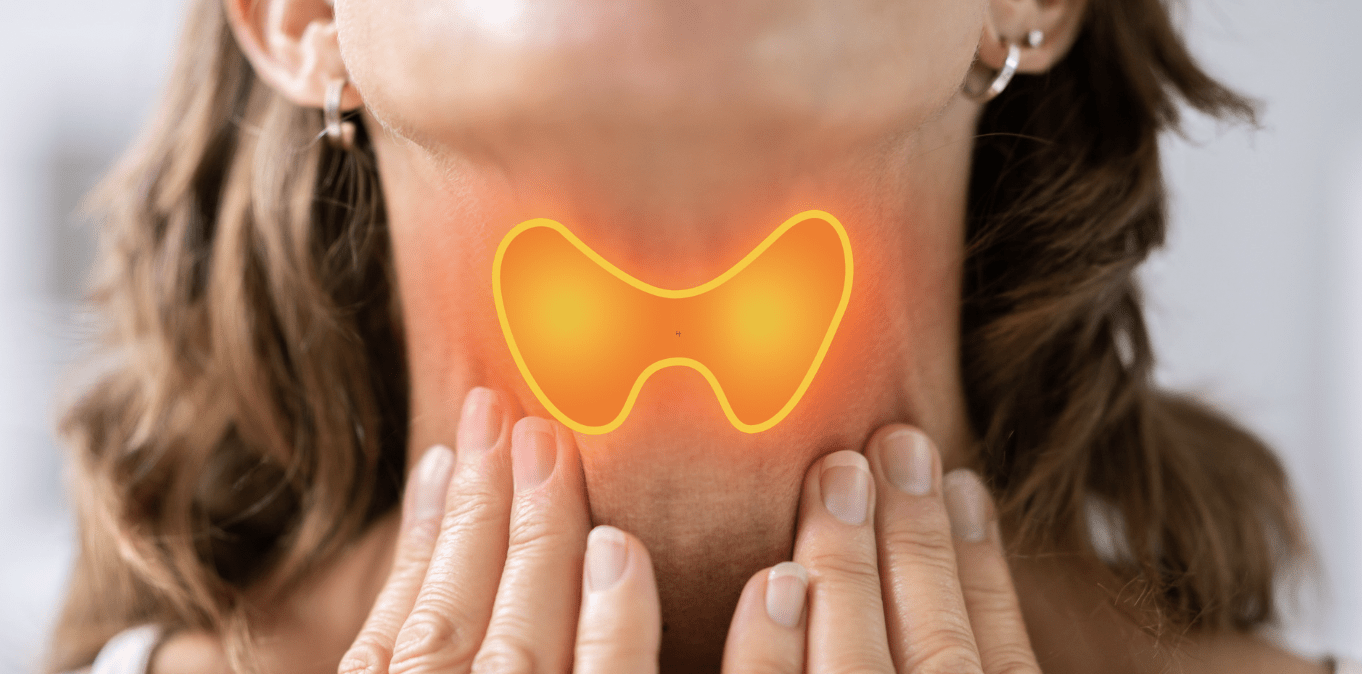
So I dug deeper. I ran a full thyroid panel, not just the standard TSH test most healthcare providers order. What I found changed everything about how I practice.
My Free T3 was low. My thyroid was producing hormones, but my body couldn’t convert them into the active form that actually powers metabolism, energy, mood, and hormonal balance.
I also had thyroid antibodies, revealing early autoimmune activity that would’ve been completely invisible on a standard test.
That’s when I realized how many women are being told they’re fine when they’re not.
What “Normal” Labs Actually Miss
Conventional thyroid testing typically checks one marker: TSH, or thyroid-stimulating hormone.
It’s helpful, but it’s incomplete.
TSH tells you if your brain is asking your thyroid to work harder. It doesn’t tell you if your thyroid is actually producing usable hormones, or if your body can convert them into active form.
Think of it like checking if your car’s gas pedal works without looking at the engine or fuel system.
When I ran my full panel, here’s what I ordered:
TSH to measure the brain-thyroid connection.
Free T4 and Free T3 to see how much active hormone my body could actually use.
Thyroid peroxidase (TPO) and thyroglobulin antibodies to screen for autoimmune thyroid disease like Hashimoto’s.
Reverse T3 to check if stress or illness was blocking hormone conversion.
These tests revealed patterns that conventional testing completely misses, showing me why I felt exhausted despite “normal” results. It was the first time I could see the full picture of what my thyroid was really doing.
When Your Body Can’t Use What It Makes
Your thyroid produces mostly T4, which is inactive.
Your body has to convert T4 into T3, the active hormone that drives metabolism, energy, mood, digestion, and reproductive health.
When that conversion fails, it’s like having fuel in the tank but a blocked engine.
You can’t use what you already have.
Several things block that conversion:
Chronic stress and elevated cortisol can block your body from turning T4 into the active T3 your cells need.
Inflammation and illness, like post-viral conditions, interfere with hormone conversion.
Nutrient deficiencies in selenium, zinc, iron, and vitamin D, all essential for the conversion process.
Blood sugar imbalances and poor gut health, since much of T4-to-T3 conversion happens in the liver and gut.
This is why women feel tired, sluggish, anxious, and foggy even when their TSH looks fine.
The thyroid isn’t failing. The system that converts its hormones is stuck.
Your Exhaustion Isn’t a Character Flaw
So many women blame themselves for feeling exhausted.
They think they’re not doing enough, or they should be able to push through it.
But what’s actually happening is their bodies are protecting them.
Living in chronic stress, juggling work, caregiving, endless to-do lists, and insufficient rest, puts the body into survival mode. One of its protective mechanisms is slowing down metabolism and thyroid activity. From your body’s perspective, if you’re under constant threat, it’s not the time to burn energy freely. It’s time to conserve. Fatigue, brain fog, and weight gain aren’t signs of weakness. It’s your body communicating: “I’m overwhelmed. I need restoration, not more stimulation.”
The thyroid doesn’t just fail; it adapts. It’s not trying to sabotage you; it’s trying to help you survive.
Creating Safety in Your Body
Healing isn’t just about adjusting a lab number or taking a supplement.
It’s about creating safety in the body again.
When a woman comes to me completely burned out, I focus on stabilizing her foundation. Things that calm the nervous system, balance blood sugar, and restore consistency.
Blood sugar balance is first.
When we skip meals, live on coffee, or experience energy crashes throughout the day, the body panics. It thinks food is unpredictable, so it goes into conservation mode.
That stress alone makes the thyroid slow down.
I teach women to build balanced meals with protein, healthy fats, and fiber. When your body knows nourishment is coming consistently, it can relax. Energy, mood, and metabolism start coming back online.
Before stabilization, many of my clients skip breakfast, crash by mid-morning, grab quick carb-heavy lunches, and arrive at dinner exhausted but wired.
That rollercoaster keeps the body in stress mode.
After stabilization, breakfast is protein-rich with healthy fat. Snacks are planned. Lunch and dinner are balanced and consistent.
Energy becomes steady. Cravings subside. The body stops feeling like it’s in constant crisis.
Sleep and circadian rhythm are next.
Getting to bed earlier, reducing screen exposure, and honoring natural sleep-wake cycles are essential for thyroid repair.
Gentle movement and breathwork lower cortisol and support hormone conversion.
Nutrient support addresses deficiencies in selenium, zinc, magnesium, and vitamin D through food or targeted supplementation.
Emotional boundaries often create the biggest shift.
Helping women see that rest isn’t laziness, it’s necessary. That mindset reframe helps the body feel safe again.
When Lifestyle Isn’t Enough
Sometimes, even when a woman is doing everything right, eating well, managing stress, sleeping consistently, her hormones still aren’t responding.
That’s when I consider bioidentical hormone support.
The signs I look for: persistent fatigue, brain fog, low mood, insomnia, stubborn weight gain, or irregular cycles despite lifestyle optimization.
Lab work may show thyroid hormones, estrogen, progesterone, or cortisol remain out of balance even after addressing diet, nutrients, and stress.
At that point, bioidentical hormones become a tool to help restore balance.
Thyroid function, adrenal health, and reproductive hormones are constantly interacting. For many women, ongoing support is necessary to maintain balance and prevent symptoms from returning.
What determines the approach is highly individual: age, how long hormones have been dysregulated, underlying autoimmune conditions, stress load, and overall health.
Treating the Whole Body, Not Just the Symptoms
When I see women struggling with fatigue, weight changes, mood shifts, or brain fog, I approach it differently. I treat the whole body and dig for the root causes, rather than just addressing symptoms.
Conventional medicine often focuses on symptom management; antidepressants for mood, sleep aids for insomnia, diet plans for weight, without uncovering what’s actually driving the problem. But if thyroid conversion is blocked, nutrients are depleted, or stress is overwhelming the system, these interventions only mask the real issues.
The shift I advocate is simple but profound: stop chasing symptoms and start addressing the root causes while supporting the whole body. Your thyroid, hormones, nutrients, and lifestyle all interact, and when one piece is off, the system can’t function optimally.
In my own journey, I addressed stress recovery, reduced inflammation, balanced nutrients, improved gut health, and thyroid replacement therapy. This combination helped my Free T3 improve, along with my energy, focus, and overall wellbeing.
If your labs look “normal” but you still feel terrible, it may be that your healthcare provider is looking at the wrong tests. Don’t suffer in silence; seek out a provider who will truly listen to your concerns and help uncover the root causes.

Charneice Harris, NP
I am Charneice Harris, a Board-Certified Family Nurse Practitioner with over 14 years of experience in Nursing, specializing in personalized and integrative health solutions. I am currently licensed in Virginia, West Virginia, South Dakota, North Dakota, New York, Maryland, Florida, and Arizona, enabling me to reach and support a diverse patient population.
My dedication to healthcare is deeply personal. Having faced my own challenges with obesity and the lingering effects of Long Covid, I know firsthand how complex weight management and maintaining a healthy lifestyle can be. I understand what it’s like to feel dismissed or not truly heard. This personal journey not only fuels my passion for helping others achieve their health goals but also enhances my ability to empathize with my patients’ struggles.
To make sure I’m always providing the best and most effective care possible, I’ve pursued advanced training in areas like bioidentical hormones, functional medicine, obesity medicine, and integrative health. I love staying on the cutting edge of healthcare, so I frequently attend conferences and specialty courses to keep up with the latest advancements. This commitment to continuous learning reflects my dedication to offering innovative and comprehensive solutions that are tailored specifically to meet your… Read more