
I see this pattern weekly in my practice.
A woman in her late 30s or early 40s sits across from me, frustrated and exhausted. She’s eating clean, hitting the gym four times a week, prioritizing sleep, managing stress. She’s doing everything the wellness world tells her to do.
And she still feels terrible.
The fatigue is profound. Not the kind that improves with an extra hour of sleep. The kind that makes her wonder if something is fundamentally wrong with her body.
The brain fog makes her question her competence at work. The motivation that once drove her career and personal goals has evaporated. Her workouts feel like she’s dragging through mud instead of building strength.
She’s been to her primary care doctor. Maybe her gynecologist too. They ran basic labs—TSH for thyroid, maybe a CBC. Everything came back “normal.”
“You’re just stressed,” they said. “This is normal for your age.” Or the classic: “Welcome to perimenopause.”
That’s when she finds her way to AgeWell Hormone Health.
The Quiet Decade No One Talks About
The mid-30s to mid-40s represent one of the most under-recognized phases in women’s health.
I call it the quiet decade.
Testosterone begins its gradual decline earlier than most people realize—often while estrogen and progesterone remain relatively stable. Because there’s no dramatic “period stop” moment like menopause, it flies completely under the radar.
Women produce more testosterone than estrogen throughout much of their lives. This surprises most of my patients. They’ve been told testosterone is a “male hormone” and assume it’s irrelevant to their health.
The truth is different.
Testosterone plays a huge role in energy, muscle maintenance, mental clarity, and that fundamental “get-up-and-go” feeling. When it starts declining in your 30s, the symptoms are insidious. You adapt to a lower baseline of well-being without realizing what you’ve lost.
The cruel part is the timing. This hits right when career demands peak, kids need constant attention, aging parents require help, and you’re trying to hold everything together through sheer force of will.
When Lifestyle Isn’t Enough
I work with women who have already optimized their lifestyle habits.
They’re not coming to me looking for basic health advice. They’ve read the books, hired the trainers, cleaned up their diets, invested in sleep hygiene. They’ve done the work.
Lifestyle is the foundation—I never minimize that. But for many women, optimized hormones are what allow that foundation to actually work at full capacity.
Think of hormones as a multiplier. When they’re balanced, your healthy habits compound. Your workouts build muscle and energy instead of depleting you. Your sleep actually restores you. Your nutrition fuels your brain and body the way it should.
When hormones are off, even perfect habits feel ineffective.
Many women tell me they feel like their body is betraying them despite doing everything right. Once we optimize their hormones—often with bioidentical options, including testosterone therapy when appropriate—they finally get that missing piece back.
It’s not about adding something foreign. It’s about restoring what their body once produced naturally so their hard work with diet, movement, and sleep can finally pay off again.
The Gap in Conventional Testing
Conventional providers often look at basic labs and declare everything normal.
Usually just TSH for thyroid. Maybe total estrogen. That’s it.
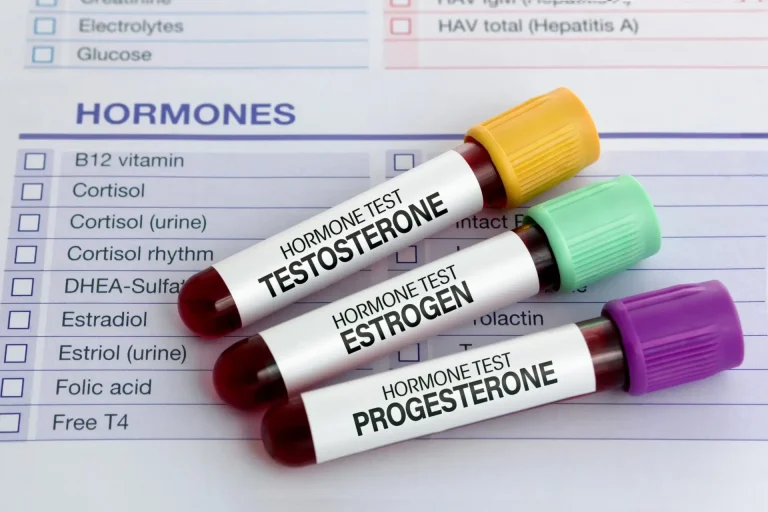
At AgeWell, we dig much deeper. A comprehensive hormone panel includes free and total testosterone, estradiol, progesterone, SHBG, and a full thyroid panel—TSH, free T4, free T3, reverse T3, and antibodies. Sometimes we add cortisol rhythm testing.
We also look at vitamin D, ferritin, fasting insulin, HbA1c, and inflammatory markers.
The key difference is we’re not just treating numbers on a lab. We’re treating the woman in front of us, correlating her symptoms with the most accurate testing available, and creating a personalized plan.
I correlate results with her symptoms and goals rather than simply checking whether numbers fall in a “normal” range. Those reference ranges are often based on general populations—including many people who are not well. They don’t represent the levels at which an individual feels her best.
Many women feel their best when their testosterone is in the upper quartile of the reference range, not scraping the bottom.
If your symptoms are screaming hormone imbalance but the numbers are “normal,” we don’t dismiss the symptoms. We use them as the guide.
What Low Testosterone Actually Looks Like
When I bring up testosterone in women in their 40s, the reaction is almost universal.
First there’s genuine surprise. Eyebrows go up, sometimes a little laugh. “Wait… testosterone? Isn’t that a male hormone? Why do I need that?”
They’ve usually been told their symptoms are just stress, aging, or “normal perimenopause.” Hearing that low testosterone can drive profound fatigue, brain fog, low motivation, reduced muscle tone, and low libido is eye-opening.
Then you often see the shift. Their shoulders drop, their eyes widen with recognition, and many get visibly emotional.
It’s that “Oh my God, this might actually explain everything” moment.
Some tear up because they’ve felt dismissed for so long. I’ve had women say, “I thought I was just lazy or losing my mind.”
These are capable, driven women who’ve built careers and families through sheer effort. Suddenly that effort doesn’t yield the same results. It feels like an identity crisis.
These women are often high-achieving, Type-A personalities who have always powered through. When they start struggling and hear “everything looks normal,” it chips away at their self-trust.
The Transformation Timeline
Once we identify low testosterone with proper testing and begin personalized bioidentical hormone support, most women feel a noticeable difference within weeks to a few months.
The first thing most women notice is mental clarity and a return of motivation. That brain fog starts lifting. They wake up feeling like their mind is “on” again.
Right after that, they often mention deeper, more restorative sleep and a noticeable improvement in energy and stamina throughout the day.
Workouts start feeling productive again instead of exhausting.
Mood and emotional resilience improve too. Less irritability, fewer tears over small things, and a general sense of calm confidence returning.
Libido and intimate enjoyment often come back, which many women say dramatically improves their relationships and sense of self.
Many describe it as “I finally have my bandwidth back.”
Results vary by individual. We titrate carefully and monitor labs. But when the foundation of lifestyle is already solid, adding optimized hormones is often the missing multiplier that lets everything else shine.
Why I Created AgeWell Hormone Health
This pattern is exactly why I started AgeWell Hormone Health.
When a woman is already doing all the right things—eating well, moving consistently, protecting her sleep—but she still feels like she’s running on empty, my mind immediately goes to hormone optimization. Particularly the sex hormones and how they interact with thyroid and cortisol.
Hormones aren’t always the only answer. Sometimes we find significant nutrient deficiencies, unmanaged insulin resistance, or other issues that need to be addressed first or alongside hormone support.
It’s looking at the whole picture.
I work directly with each patient. We start with a detailed consultation where I listen to your symptoms, review your health history, and understand your unique goals. Then we order comprehensive labs—not the basic panels most providers run.
Once we have the full picture, we create a personalized treatment plan. This might include bioidentical testosterone through creams, injections, or pellets. It might include thyroid optimization, targeted peptides, or addressing underlying metabolic issues.
The goal is simple: help you feel like yourself again.
Whether it’s through virtual consults or our in-home testosterone pellet therapy here in West Tennessee, we’re here to give women that missing piece so their hard work with diet, movement, and life finally pays off the way it should.
The Bottom Line
If you’re doing everything right and still feeling off, you’re not imagining it.
You’re not lazy. You’re not losing your mind. You’re not “just stressed.”
Your body is telling you something is missing. For many women in their 30s and 40s, that missing piece is hormone optimization—particularly testosterone, which begins declining earlier than most people realize.
Conventional medicine often misses this because basic labs don’t capture the full picture. Standard reference ranges don’t reflect optimal health. And symptoms get dismissed as “normal aging” when they’re actually treatable and reversible.
When we test properly and optimize hormones with bioidentical support, the transformation can be life-changing.
You get your energy back. Your brain fog clears. Your motivation returns. Your workouts feel productive again. You sleep better, feel more emotionally stable, and reconnect with your sense of self.
That’s not too much to ask for. That’s what optimal health looks like.
If this resonates with you, it’s worth having the conversation. The quiet decade doesn’t have to be a decade of suffering. There’s a better way forward.

Dr. Sue Piller
I’m Sue Piller, a Doctorally prepared Nurse Practitioner with advanced certifications in functional medicine, menopause, andropause mastery, and bioidentical hormone optimization.
I created AgeWell Hormone Health because I saw the same pattern every day in clinical practice — men and women doing “all the right things” yet still not feeling like themselves. Often, the missing piece was hormonal imbalance that hadn’t been fully evaluated or addressed.
After struggling to find safe, individualized hormone care for myself, I became determined to offer something better. My approach combines current hormone science with a lifestyle-forward, root-cause philosophy. I work directly with each patient using detailed lab testing, bioidentical hormones, and targeted peptides when appropriate — never a one-size-fits-all protocol.
My mission is simple:
To make excellent, individualized hormone care accessible and to help you feel like yourself again — with energy, clarity, confidence, and vitality at every stage of midlife and beyond.
My Philosophy:
Root-cause focused — I look deeper to understand why you feel the way you do.
Fully personalized — Every plan is built around your unique labs, symptoms, and goals.
Gentle and effective — I use bioidentical hormones in gentle transdermal organic bases for optimal absorption and excellent tolerability.
Whole-person… Read more