Article Insights & Reflections
Synopsis: This overview brings clarity to a key menopause topic and translates research into practical next steps. It equips readers with options to discuss with a qualified clinician and tools to start improving today.
Top 5 Questions Answered:
- Which symptoms are truly driven by menopause?
- What options exist beyond over-the-counter fixes?
- When should I consider medical therapy?
- Which daily habits make the biggest difference?
- How do I personalize a plan that lasts?
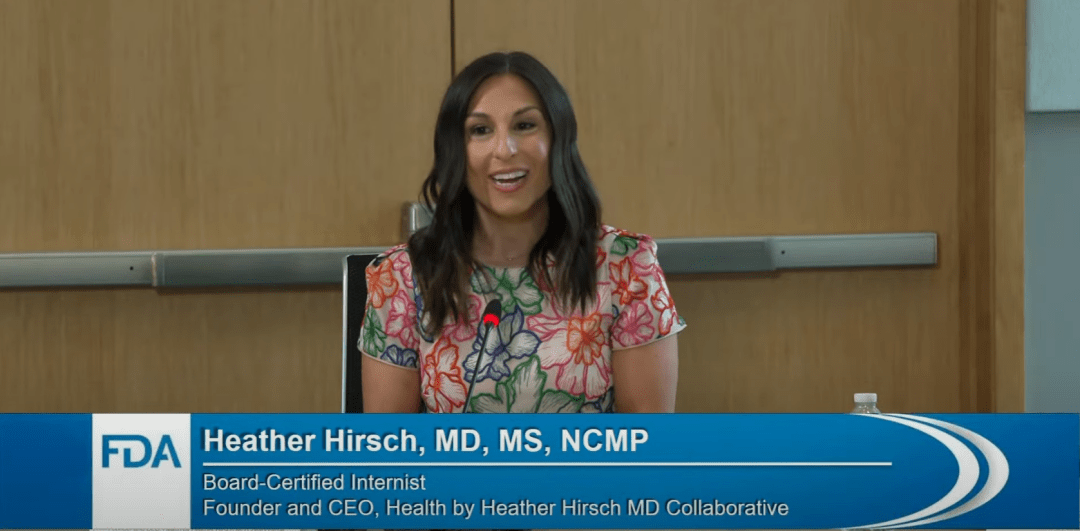
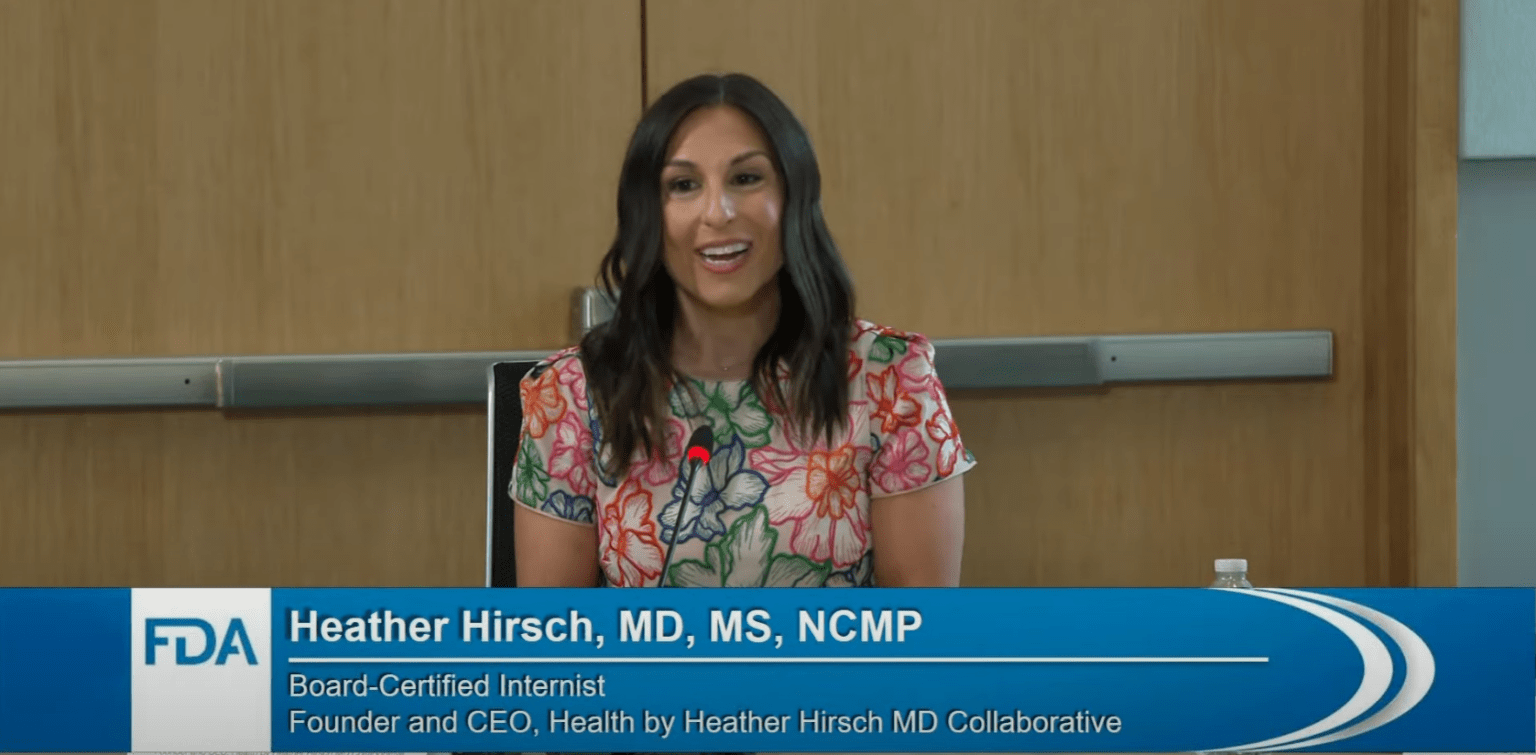
Dr. Heather Hirsch’s presentation powerfully challenged longstanding dogma around hormone therapy (HRT) for menopause. Citing her experience as an internist with advanced women’s health training, Dr. Hirsch opened by recounting patient stories that highlighted the real-world harm caused by excessive caution and misinformation about HRT. One poignant story told of “Denise,” a patient who, during menopause, developed severe intrusive thoughts and suffered unnecessarily due to lack of access to proper therapy. Hirsch drew attention to how numerous women, like Denise, have been misled by blanket recommendations and outdated warnings.
A core focus of her talk was the need for clarity about what constitutes harm in medicine. Hirsch explained the difference between local (vaginal) estrogen—used for urinary and sexual symptoms—and systemic HRT, stressing that current boxed warnings do not differentiate between the two, which is scientifically unjustified. She detailed modern evidence showing that local estrogen therapies do not increase risks for heart disease, stroke, or breast cancer, yet are tainted by the same warnings as systemic drugs.
Hirsch critiqued the broad use of the “menopausal hormone therapy” label, calling it poorly defined and often misunderstood by both patients and practitioners. She explained that safety depends not only on hormone type (oral vs. transdermal, estradiol vs. conjugated equine estrogen), but on timing, formulation, and patient characteristics.
A major concern raised was the persistent gap in provider education: many clinicians receive less than an hour of menopause training in medical school, which is often a voluntary session rather than a required part of curriculum. Hirsch stressed that this lack of knowledge, compounded by regulatory fear, leaves providers uneasy about prescribing HRT, and patients without relief for debilitating symptoms.
Dr. Hirsch concluded with a call to action: supporting targeted education and policy that reflects the current evidence, and removing outdated black box warnings that unnecessarily frighten clinicians and women. As she stated, “Women deserve policy that reflects the current evidence—not outdated myths.” Her presentation set the tone for a science-driven, compassionate approach to menopause care resonating widely among attendees and the broader women’s health community