Article Insights & Reflections
Synopsis: This report explains how legacy warnings and outdated interpretations still shape access to care. It summarizes current evidence, policy debates, and the reforms that could improve outcomes for women.
Top 5 Questions Answered:
- What did past studies like the WHI actually find?
- Which warnings are outdated and why?
- How do policies affect access to safe therapies?
- What does current evidence say about HRT safety?
- How might guideline changes improve care?
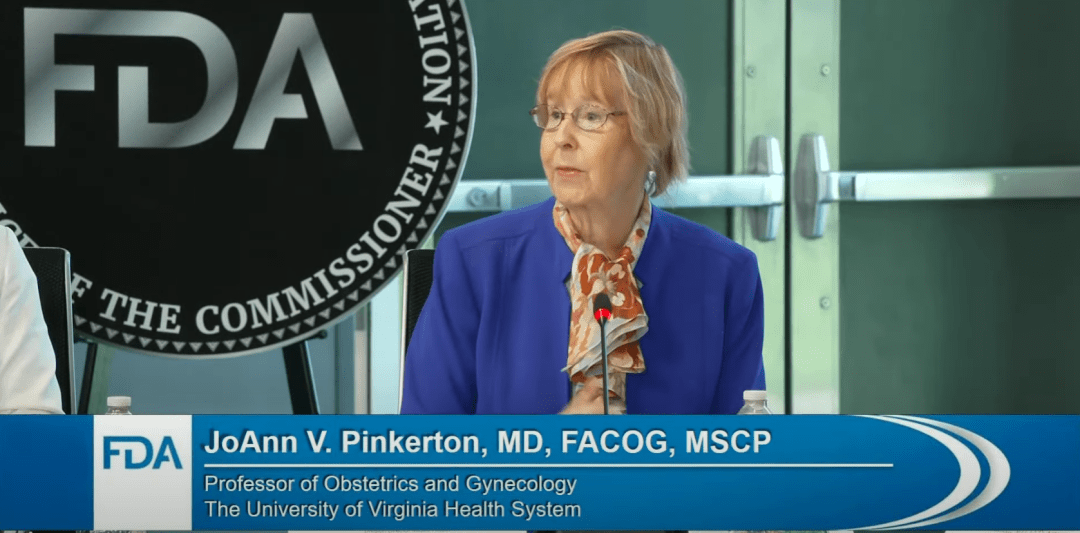
Dr. JoAnn Pinkerton, a prominent leader in gynecology and menopause care, presented a passionate and evidence-back call to overhaul FDA boxed warnings on hormonal therapies. With a focus on patient rights and physician guidance, Dr. Pinkerton argued that millions of women are disenfranchised from effective treatments by outdated regulatory language that is not aligned with today’s science.
She began by acknowledging the initial intention behind the FDA’s boxed warning: to ensure medications carried awareness of potential serious risks following the WHI findings. However, she pointed out that the broader scientific and clinical communities have since clarified the nuances in HRT risks, especially with respect to timing, formulation, and patient populations. Citing ample evidence, Pinkerton underscored that initiating hormone therapy near the onset of menopause significantly reduces cardiovascular and osteoporotic complications—the very events the boxed warning was meant to prevent.
Dr. Pinkerton detailed how the blanket warnings not only deterred women and clinicians from appropriate therapy, but also drove a resurgence of untreated menopause symptoms and diminished quality of life. Importantly, she highlighted the differential safety profile of products: “The black box warning does not make sense for all products, specifically for low-dose vaginal estrogen, which is not associated with the serious risks listed in the current label.”
Distressed by stagnant policy, Pinkerton called on regulatory authorities to remove or at least immediately revise the boxed warnings for products shown to be safe, particularly those utilized for urogenital symptoms. She positioned her remarks as both a scientific and a feminist appeal, arguing it is a matter of health justice to provide women equitable and evidence-driven access.
Dr. Pinkerton concluded by joining her colleagues in pressing the FDA to acknowledge up-to-date science, improve consultation processes, and ensure labels and guidance reflect real risks and benefits, empowering individual patients’ choices