Article Insights & Reflections
Synopsis: This piece explains why mood changes and brain fog can intensify around midlife and how hormones, sleep, and stress interact. It offers practical steps and clinical options to restore clarity, lift mood, and protect long-term brain health.
Top 5 Questions Answered:
- What drives brain fog during midlife?
- How do sleep and stress interact with hormones to affect clarity?
- Which nutrients or habits sharpen focus?
- When should I seek medical evaluation for cognitive changes?
- Can hormone therapy or other treatments improve brain function?
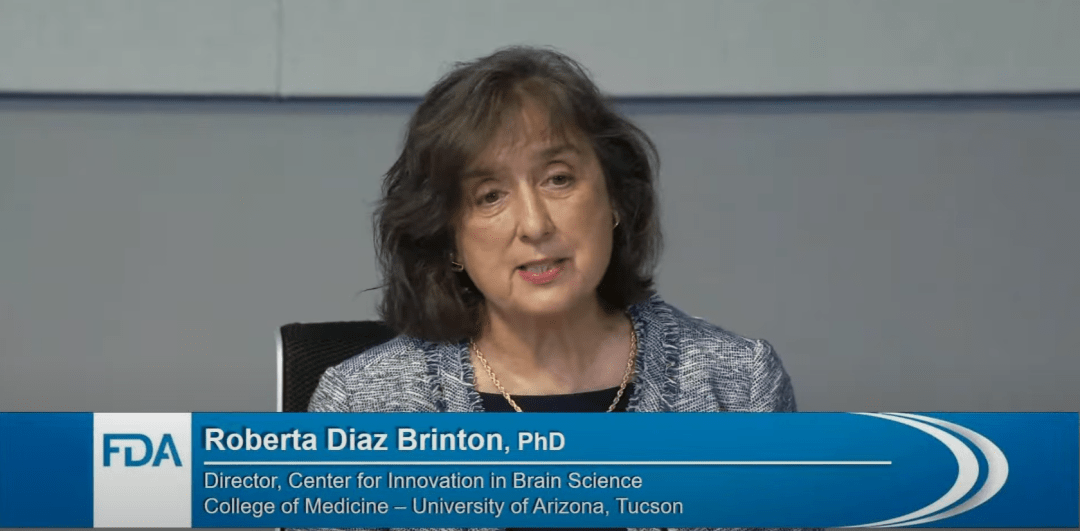
Roberta Diaz Brinton, PhD, a neuroscientist and international authority in women’s brain health, broadened the scope of the panel by linking menopause to the rising incidence of Alzheimer’s disease. Her presentation, at once scientific and visionary, drew a direct connection between the dramatic neuroendocrine shifts of menopause—characterized by loss of estrogen—and subsequent changes in brain glucose metabolism, inflammation, and ultimately, cognitive decline.
Dr. Brinton summarized decades of pioneering research demonstrating that hot flashes and cognitive complaints are more than mere symptomatic inconveniences; they may reflect underlying neurobiological processes that accelerate brain aging. Citing her ongoing clinical trials, she described promising new therapies—such as PhytoSERM, a plant-derived estrogen receptor beta agonist—that aim to replicate estrogen’s brain benefits without stimulating breast tissue. Early data suggest that carefully timed, appropriately chosen HRT can stave off the starvation response the brain mounts in the absence of estrogen, protect against amyloid accumulation, and reduce risk for Alzheimer’s disease.
Having observed that up to 80% of women avoid hormone therapy based on outdated fears, Brinton advocated for science communication strategies that empower informed decision-making. Her call to action was for collaboration among neuroscientists, clinicians, regulators, and patient groups to drive research and translate findings into practical therapies with the dual goals of supporting cognition and protecting the breast.