Article Insights & Reflections
Synopsis: This overview brings clarity to a key menopause topic and translates research into practical next steps. It equips readers with options to discuss with a qualified clinician and tools to start improving today.
Top 5 Questions Answered:
- What core problem is this article solving?
- Which evidence-backed options can help?
- How do I know which option fits me?
- What lifestyle changes amplify results?
- When should I seek expert guidance?
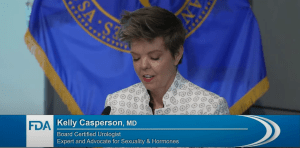
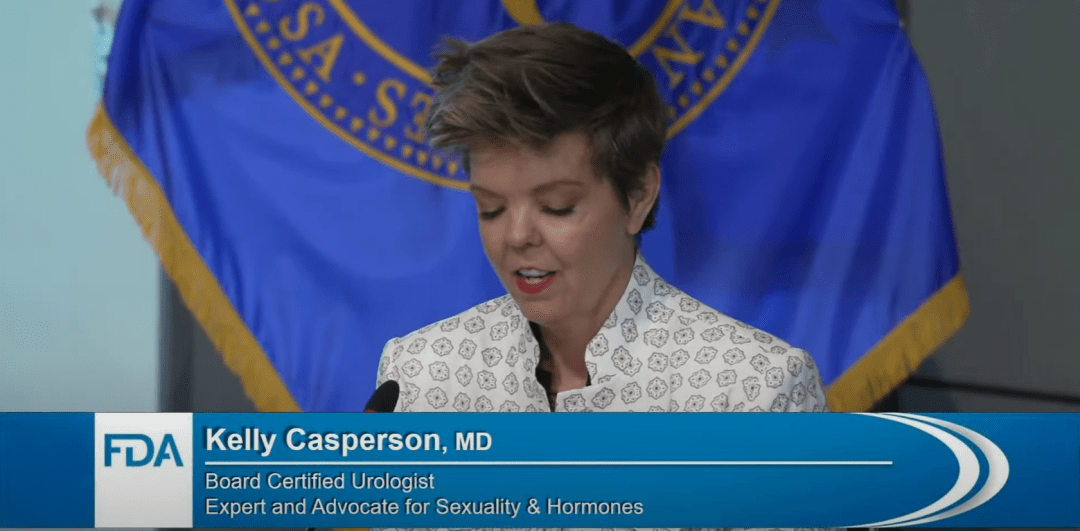
Dr. Kelly Casperson brought a unique perspective as a urologist and sexual health expert, focusing attention on the regulatory and clinical neglect faced by women in need of testosterone therapy. Casperson highlighted the dramatic contrast: while dozens of testosterone products are approved and reimbursed for men, not one is formally sanctioned for use in women, despite decades of clinical experience showing its safety and efficacy for female patients with hypoactive sexual desire disorder and other forms of hormone deficiency.
Her testimony detailed the negative impact of this regulatory gap: women are often forced to pay out of pocket, use unverified compounded formulations, or risk underdosing by splitting male-intended products. Casperson argued that such disparity is not due to a lack of evidence—in fact, trans men receive testosterone in much higher doses than what women require, with no safety crisis—but rather a legacy of regulatory inertia and exaggerated risk concerns.
She also described broader physiological benefits of testosterone for women, including neurologic, muscular, and skeletal function, and referenced studies suggesting potential positive impacts on cognition and mood. Casperson called for the FDA to fast-track gender-appropriate, evidence-based dosing and break down policy barriers that perpetuate health inequalities.