Article Insights & Reflections
Synopsis: This report explains how legacy warnings and outdated interpretations still shape access to care. It summarizes current evidence, policy debates, and the reforms that could improve outcomes for women.
Top 5 Questions Answered:
- What did past studies like the WHI actually find?
- Which warnings are outdated and why?
- How do policies affect access to safe therapies?
- What does current evidence say about HRT safety?
- How might guideline changes improve care?
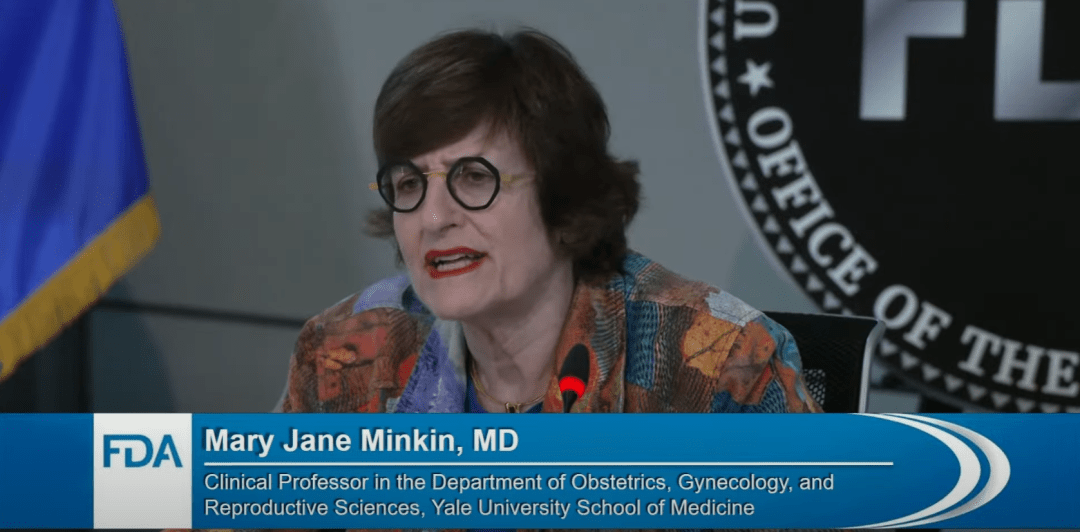
Mary Jane Minkin, MD, veteran OB/GYN and menopause educator, presented a comprehensive critique of the “one-size-fits-all” black box warning on estrogen therapies, focusing especially on low-dose vaginal products. Quoting both modern research and follow-up analyses of the WHI trial, Dr. Minkin demonstrated that fears about cardiovascular events, stroke, and breast cancer for vaginal estrogen have not been substantiated by subsequent studies.
She detailed real-world consequences: women left untreated for distressing and potentially serious symptoms like recurrent urinary tract infections, sexual dysfunction, and incontinence—all for want of therapies deemed “dangerous” by a warning label out of step with scientific reality. Dr. Minkin further highlighted the regulatory and educational inertia that sustains the status quo, describing how persistent myths trickle down from academic institutions to community practices, fueling confusion and fear.
Minkin concluded that swift regulatory action to remove the boxed warning would not only restore confidence among physicians but would allow millions of women access to necessary, safe, and effective treatments.