Article Insights & Reflections
Synopsis: This overview brings clarity to a key menopause topic and translates research into practical next steps. It equips readers with options to discuss with a qualified clinician and tools to start improving today.
Top 5 Questions Answered:
- Which symptoms are truly driven by menopause?
- What options exist beyond over-the-counter fixes?
- When should I consider medical therapy?
- Which daily habits make the biggest difference?
- How do I personalize a plan that lasts?
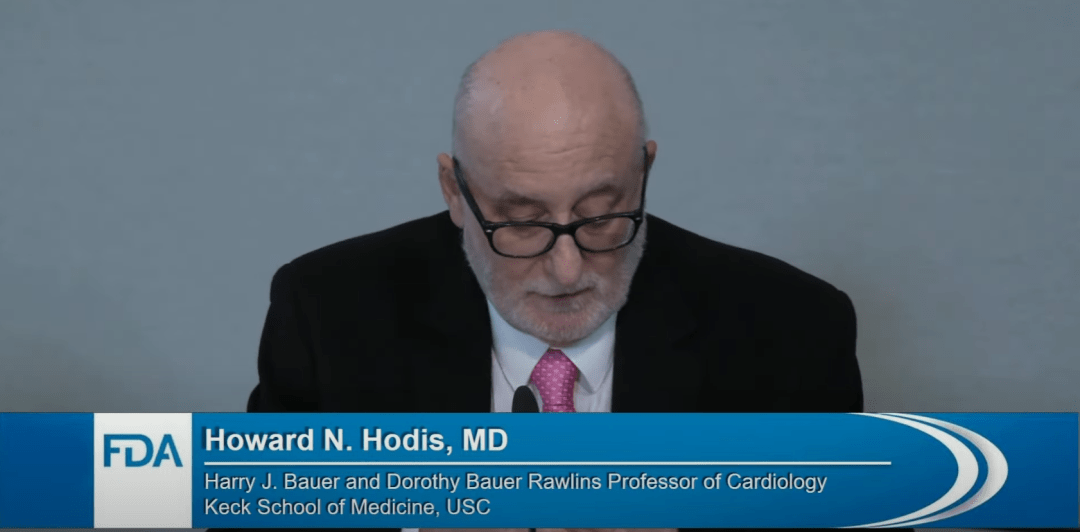
Dr. Howard Hodis, professor of medicine and a landmark figure in cardiovascular research, delivered a thorough analysis of how HRT timing determines its effect profile. He explained that younger women who start hormone therapy within 10 years of menopause experience not just relief from symptoms, but reductions in all-cause mortality and cardiovascular disease incidence—benefits unparalleled by other preventive therapies such as lipid-lowering agents.
Dr. Hodis reviewed data from large randomized trials, including age-stratified analyses, showing that adverse events—stroke, venous thromboembolism, breast cancer—are rare (<10 per 10,000 women per year), and those risks are no different from, and sometimes lower than, risks associated with other common and widely used therapies. He underscored the “timing hypothesis,” affirming that therapy started long after menopause appears to lose benefit and potentially accrue greater hazard, while early therapy delivers better outcomes.
In conclusion, Dr. Hodis proposed that regulatory policy and clinical guidelines should be time- and risk-stratified, empowering clinicians to base decisions on patient age, time since menopause, underlying health status, and formulation details, rather than adhering to blanket, one-size-fits-all limitations.