When you turn 50, it’s time to use everything you’ve learned about healthy living. You should know when you need to get examined and how important it is to work out and eat well; this will help you look great.
But, women will face health problems unique to them in menopause. The good news is that none of these problems have to keep you from living a happy life for many years. Even though it might be important to face the truth about the realities of getting older, especially the realities of menopause, most of us don’t like talking about how old we are getting.
Every woman on Earth knows that eventually, her reproductive hormones will stop working and the annoying symptoms that come with it. We often let ourselves wait until we have mood swings, heat flushes, and other unplanned changes in our metabolism before we decide what to do about it.
Avoid these 15 common mistakes women make during menopause;
 A study found that even people in their 75s to 85s had sex twice a month, and more than 20% said they did it at least once a week. Getting older can make people less sexual.
You don’t have to put up with changes that make it hard to have sex because your estrogen levels are decreasing. You can completely fix dry skin in the genital area. You should be sure of yourself and free to talk about your sexual desires and look and feel as sexy as you want. Women over 50 can have the best sex of their lives.
The hormonal changes during menopause can change sex and cause vaginal dryness and sometimes uncomfortable sex, but; lubricants and topical estrogens you can get with a doctor’s note can also be helpful. The North American Menopause Society says that yoga, Kegel exercises, and physical therapy for the pelvic floor may also help some women improve their sexual performance.
Early hormonal changes during perimenopause may significantly affect a woman’s level of comfort and satisfaction during sex and her sexual desire. There are so many physical and emotional changes to get used to that they may seem to have come on quickly and strongly. As a way to deal with the hormonal change, you may start to spend less time with your partner.
But if you don’t feel safe enough to talk to your partner about how menopause affects your sex life, you might set a new standard for your relationship. Your partner might misinterpret the signals you send when you don’t start sex, don’t want to have sex, or give reasons why you don’t want to have sex; This could lead to more fights and less sexual confidence with you.
The first step is, to be honest about the mental and physical changes you are going through. Talk about how it might take longer to wake up, how it hurts to be dry, and how you might feel like you don’t know your body as well as you used to. If you say these things, people will probably feel sorry for you. Together, you might start to get excited about sex again and try out different kinds of natural lubricants for more sensual, pleasurable, and cozy times.
Women should remember that having sex can benefit their bodies, brains, and spirits. Having sex often leads to better mental health, stronger vaginal tissues, and toned pelvic muscles.
Even though there are problems, sexual relationships may improve as people get older because women no longer worry about getting pregnant and couples worry less about work and money.
A study found that even people in their 75s to 85s had sex twice a month, and more than 20% said they did it at least once a week. Getting older can make people less sexual.
You don’t have to put up with changes that make it hard to have sex because your estrogen levels are decreasing. You can completely fix dry skin in the genital area. You should be sure of yourself and free to talk about your sexual desires and look and feel as sexy as you want. Women over 50 can have the best sex of their lives.
The hormonal changes during menopause can change sex and cause vaginal dryness and sometimes uncomfortable sex, but; lubricants and topical estrogens you can get with a doctor’s note can also be helpful. The North American Menopause Society says that yoga, Kegel exercises, and physical therapy for the pelvic floor may also help some women improve their sexual performance.
Early hormonal changes during perimenopause may significantly affect a woman’s level of comfort and satisfaction during sex and her sexual desire. There are so many physical and emotional changes to get used to that they may seem to have come on quickly and strongly. As a way to deal with the hormonal change, you may start to spend less time with your partner.
But if you don’t feel safe enough to talk to your partner about how menopause affects your sex life, you might set a new standard for your relationship. Your partner might misinterpret the signals you send when you don’t start sex, don’t want to have sex, or give reasons why you don’t want to have sex; This could lead to more fights and less sexual confidence with you.
The first step is, to be honest about the mental and physical changes you are going through. Talk about how it might take longer to wake up, how it hurts to be dry, and how you might feel like you don’t know your body as well as you used to. If you say these things, people will probably feel sorry for you. Together, you might start to get excited about sex again and try out different kinds of natural lubricants for more sensual, pleasurable, and cozy times.
Women should remember that having sex can benefit their bodies, brains, and spirits. Having sex often leads to better mental health, stronger vaginal tissues, and toned pelvic muscles.
Even though there are problems, sexual relationships may improve as people get older because women no longer worry about getting pregnant and couples worry less about work and money.
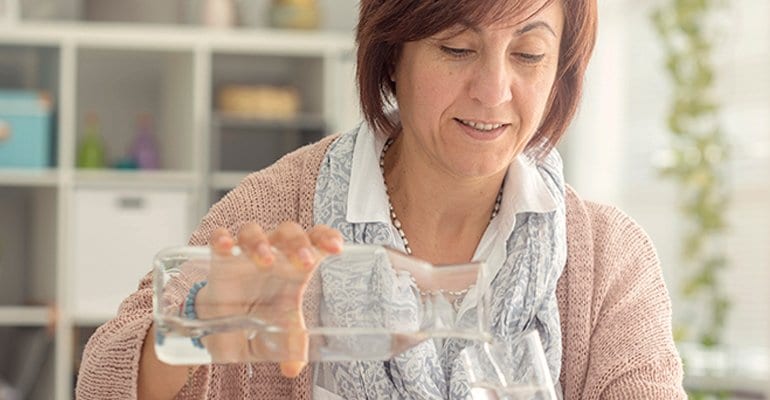 Drinking a lot of water is another great way to care for yourself during menopause. Drinking cold water helps your body control its temperature, so it does moan to keep you cool. Dryness and bloating will also get better if you drink enough water.
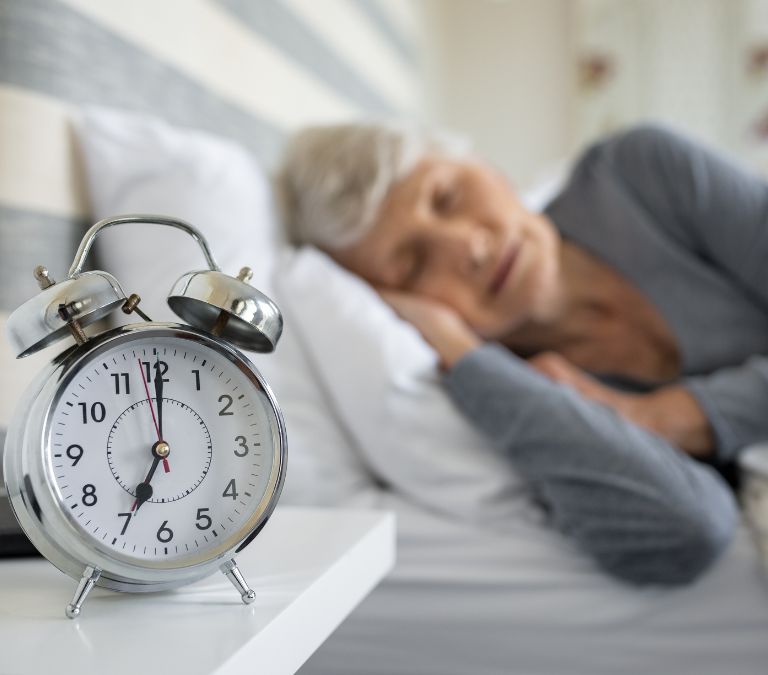 Maintaining general well-being depends on getting adequate sleep. The National Sleep Foundation says that most people should sleep between 7 and 9 hours each night. But night sweats and other symptoms of perimenopause and menopause can make it hard to fall asleep. You can also take steps to make it more likely that you will get enough sleep and talk to your doctor about treating illnesses that keep you from sleeping. Put away your phone, computer, and other electronics for at least 30 minutes before you want to go to sleep. Make sure your bedroom is comfortable, and wear light, airy clothes to bed.
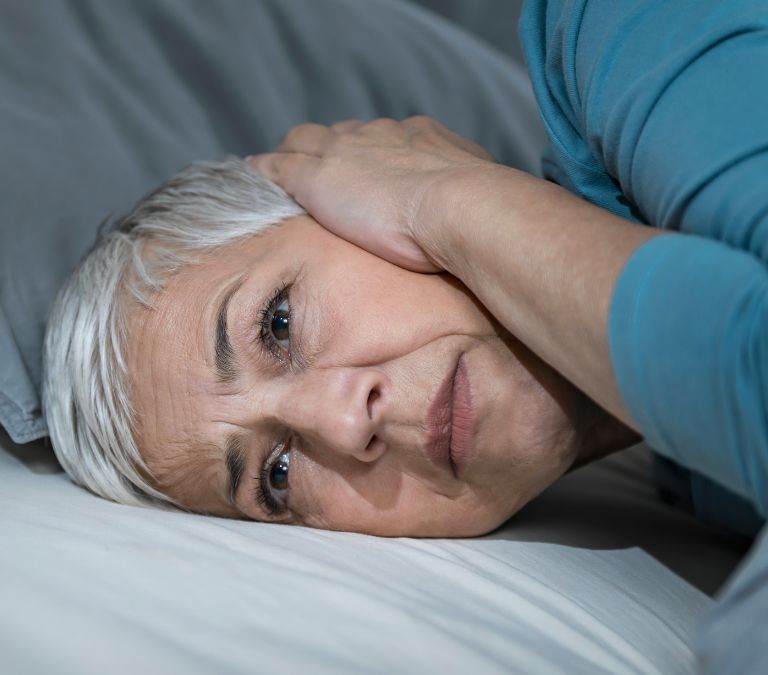 During this time, one of the biggest mistakes women make is thinking they must learn to live with menopausal symptoms like hot flashes, trouble sleeping, and vaginal and urinary problems.
Not every woman can take hormones or may not want to. That doesn’t mean they have to suffer, though, because there are other ways to help. The hormonal treatment used for a short time has been shown to help many women with some of the worst problems of menopause.
For example, the North American Menopause Society researched what works to make hot flashes less uncomfortable. They say that cognitive behavioral therapy, which includes techniques to help you sleep, feel better about menopause, and relax, can make hot flashes less severe.
During this time, one of the biggest mistakes women make is thinking they must learn to live with menopausal symptoms like hot flashes, trouble sleeping, and vaginal and urinary problems.
Not every woman can take hormones or may not want to. That doesn’t mean they have to suffer, though, because there are other ways to help. The hormonal treatment used for a short time has been shown to help many women with some of the worst problems of menopause.
For example, the North American Menopause Society researched what works to make hot flashes less uncomfortable. They say that cognitive behavioral therapy, which includes techniques to help you sleep, feel better about menopause, and relax, can make hot flashes less severe.
- You think that your sexual life is over.
A study found that even people in their 75s to 85s had sex twice a month, and more than 20% said they did it at least once a week. Getting older can make people less sexual.
You don’t have to put up with changes that make it hard to have sex because your estrogen levels are decreasing. You can completely fix dry skin in the genital area. You should be sure of yourself and free to talk about your sexual desires and look and feel as sexy as you want. Women over 50 can have the best sex of their lives.
The hormonal changes during menopause can change sex and cause vaginal dryness and sometimes uncomfortable sex, but; lubricants and topical estrogens you can get with a doctor’s note can also be helpful. The North American Menopause Society says that yoga, Kegel exercises, and physical therapy for the pelvic floor may also help some women improve their sexual performance.
Early hormonal changes during perimenopause may significantly affect a woman’s level of comfort and satisfaction during sex and her sexual desire. There are so many physical and emotional changes to get used to that they may seem to have come on quickly and strongly. As a way to deal with the hormonal change, you may start to spend less time with your partner.
But if you don’t feel safe enough to talk to your partner about how menopause affects your sex life, you might set a new standard for your relationship. Your partner might misinterpret the signals you send when you don’t start sex, don’t want to have sex, or give reasons why you don’t want to have sex; This could lead to more fights and less sexual confidence with you.
The first step is, to be honest about the mental and physical changes you are going through. Talk about how it might take longer to wake up, how it hurts to be dry, and how you might feel like you don’t know your body as well as you used to. If you say these things, people will probably feel sorry for you. Together, you might start to get excited about sex again and try out different kinds of natural lubricants for more sensual, pleasurable, and cozy times.
Women should remember that having sex can benefit their bodies, brains, and spirits. Having sex often leads to better mental health, stronger vaginal tissues, and toned pelvic muscles.
Even though there are problems, sexual relationships may improve as people get older because women no longer worry about getting pregnant and couples worry less about work and money.
- You think it’s impossible not to gain weight.
- Forfeiting quick naps.
- Not paying attention to the basics of menopause
- Not working out enough.
- Wearing the wrong bra
- Ignoring how they look
- You don’t look after yourself.
- Eat foods that are rich in nutrients.
- Keep hydrated.
Drinking a lot of water is another great way to care for yourself during menopause. Drinking cold water helps your body control its temperature, so it does moan to keep you cool. Dryness and bloating will also get better if you drink enough water.
- Figure out how to stay calm.
- Keep in touch with other people.
- Choose clothes that let air in, like cotton, and wear them in light layers so you can take them off if you get too hot.
- Stay outdoor.
- Try to get a lot of rest.
Maintaining general well-being depends on getting adequate sleep. The National Sleep Foundation says that most people should sleep between 7 and 9 hours each night. But night sweats and other symptoms of perimenopause and menopause can make it hard to fall asleep. You can also take steps to make it more likely that you will get enough sleep and talk to your doctor about treating illnesses that keep you from sleeping. Put away your phone, computer, and other electronics for at least 30 minutes before you want to go to sleep. Make sure your bedroom is comfortable, and wear light, airy clothes to bed.
- Not getting enough potassium and vitamin B12 in the food you eat
- You don’t care about your heart.
- You learn to live with the pains of menopause.
During this time, one of the biggest mistakes women make is thinking they must learn to live with menopausal symptoms like hot flashes, trouble sleeping, and vaginal and urinary problems.
Not every woman can take hormones or may not want to. That doesn’t mean they have to suffer, though, because there are other ways to help. The hormonal treatment used for a short time has been shown to help many women with some of the worst problems of menopause.
For example, the North American Menopause Society researched what works to make hot flashes less uncomfortable. They say that cognitive behavioral therapy, which includes techniques to help you sleep, feel better about menopause, and relax, can make hot flashes less severe.
- You lose your sense of optimism.
- You don’t go for important medical check-ups.
- Drinking a lot of coffee during the day
- Not telling other people about your menopause.
Frequently Asked Questions
Does menopause cause bones to weaken?
Because estrogen levels drop during menopause, women lose bone mass. Losing bones can make them weaker, making them more likely to break. Osteoporosis is a disease that happens when bones break down significantly. Women need to do weight-bearing activities like walking, climbing stairs or lifting weights to keep their bones strong. You can also protect the health of your bones by eating a calcium- and vitamin-rich foods and, if necessary, taking calcium and vitamin D supplements. Quitting smoking also helps keep your bones healthy.Is there a greater chance of heart disease during menopause?
After menopause, you are more likely to have heart problems like heart attacks and strokes. Age and estrogen levels changes may worsen the problem; as you get older, you might gain weight and have other health problems that make you more likely to get heart disease. Ask your doctor about important tests, such as those that check for high blood pressure and cholesterol.After menopause, do women still have problems with their sexuality?
Yes, women of all ages can have problems with how they mate. These include problems with getting aroused, being uncomfortable, getting an orgasm, and getting sexually attracted.What kinds of treatments are there for dry vaginas?
Try a vaginal lubricant made from plants, like coconut or olive oil, to make sex more enjoyable. You can also use an over-the-counter vaginal moisturizer like Replens to keep the important moisture in your vagina. Vaginal DHEA or estrogen therapy may be the best way to treat extreme dryness.What should I do if I can’t get to sleep?
You’re not the only one having trouble sleeping—50% of women between the ages of 40 and 59 say they do too. Try these tips to improve your sleeping habits:-
Move around a lot during the day.
-
Don’t eat too much, don’t smoke, and don’t work right before you go to sleep.
-
Keep your bedroom cold, quiet, and dark.
-
Take no naps.
-
Set a time for going to bed.
-
Sleep and intimacy should only happen in the bedroom.
-
Wear clothes that let air in.