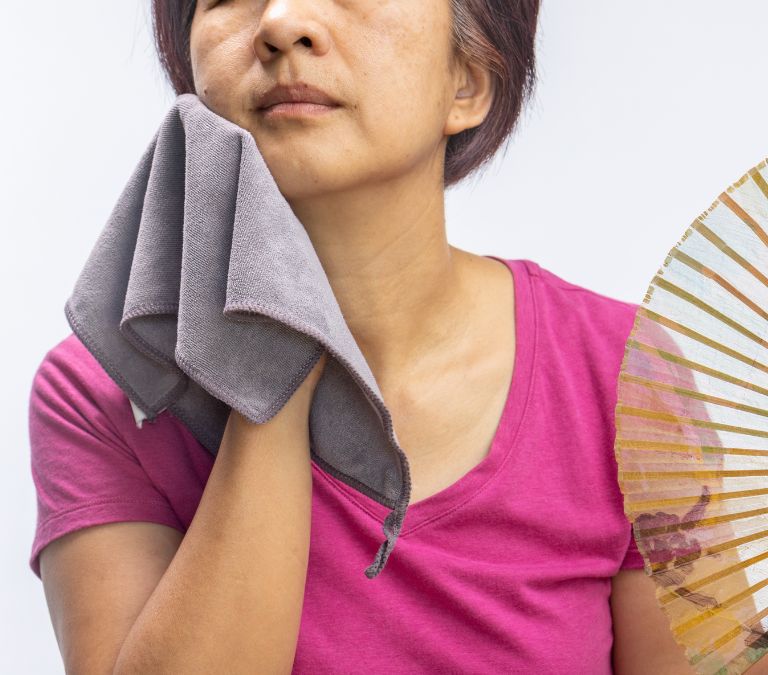
Night sweats are drenching sweats that are serious enough to soak through clothes and bedding and disturb one’s sleep.
Although sweating produces a healthy cooling effect response that helps regulate body temperature at a safe and comfortable level, night sweats, on the other hand, do not bring about this remarkable comfort at all. Instead, one may feel sudden waves of hotness that spread throughout the body, accompanied by sweating, reddening skin, and a rapid increase in heartbeat. You may wake in a cold sweat, wondering what’s causing your body to behave this way.
Night sweat is a common symptom accompanying menopause. Night sweats, alongside other symptoms, may signal a serious health condition that requires medical attention.
 Night sweats can affect anyone, but it is most commonly associated with women, especially women going through menopausal transitions; this is often medically associated with hormonal changes in relatedness to reproductive hormones, like estrogen and progesterone – which can cause unpleasant changes in the body temperature regulation center – the hypothalamus; disrupting whole body’s heat regulation mechanism, releasing unregulated heat and making the body feel hot, especially at night. Thus body responds with a flash (hot flash) to initiate a cooling effect (to cool down) through excessive sweating.
Hot flashes and night sweats are the most common and serious symptoms of menopause as, according to studies, 7 out of 10 women more than two-thirds) of women going through menopausal transition experience mild to intense night sweats.
According to the report, hot flashes proceed from the face to the neck and chest, and suddenly a flush all over the body, making menopausal women feel overheated and sweaty, and sometimes shortness of breath with increased heart rate.
Hot Flashes beget night sweats as night sweats are hot flashes that happen while you’re trying to sleep, which can be mild or severe – sometimes, the severity serves as an indicator of other underlying health conditions.
Hormonal changes are often to blame for hot flashes and other menopausal symptoms. You can’t change the process your body goes through during menopause
Night sweats can affect anyone, but it is most commonly associated with women, especially women going through menopausal transitions; this is often medically associated with hormonal changes in relatedness to reproductive hormones, like estrogen and progesterone – which can cause unpleasant changes in the body temperature regulation center – the hypothalamus; disrupting whole body’s heat regulation mechanism, releasing unregulated heat and making the body feel hot, especially at night. Thus body responds with a flash (hot flash) to initiate a cooling effect (to cool down) through excessive sweating.
Hot flashes and night sweats are the most common and serious symptoms of menopause as, according to studies, 7 out of 10 women more than two-thirds) of women going through menopausal transition experience mild to intense night sweats.
According to the report, hot flashes proceed from the face to the neck and chest, and suddenly a flush all over the body, making menopausal women feel overheated and sweaty, and sometimes shortness of breath with increased heart rate.
Hot Flashes beget night sweats as night sweats are hot flashes that happen while you’re trying to sleep, which can be mild or severe – sometimes, the severity serves as an indicator of other underlying health conditions.
Hormonal changes are often to blame for hot flashes and other menopausal symptoms. You can’t change the process your body goes through during menopause
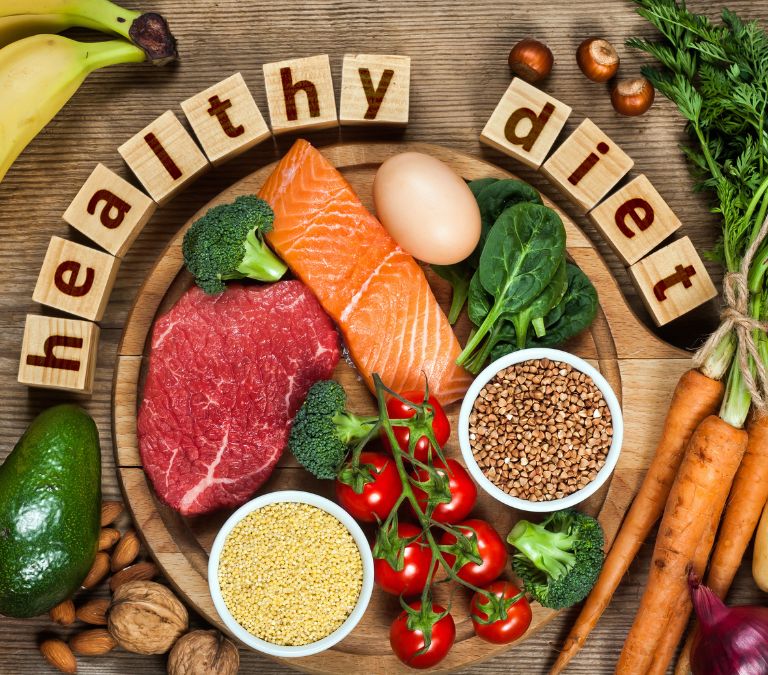 Diet choices and consumption of less-than-healthy foods through menopause worsen common menopausal symptoms, such as hot flashes and sleeplessness; thus, being certain about what to avoid or consume could aid the smooth transition in menopause, where the symptoms could become bearable and manageable.
Reaching for a healthy, well-balanced, and appropriate diet is one sure way to reduce the effect of most bothersome symptoms accompanying menopause – as good nutrition can make a big difference in how most women feel concerning menopausal symptoms like weight gain, bloating, mental and physical exhaustion, mood swings, anxiety and depression, and hot flashes. Therefore, women going through menopausal transition are advised to imbibe whole grains, cruciferous and leafy green veggies, legumes and peas, fruits, lean proteins, and food rich in omega 3, and maintain good hydration through drinking enough water.
And in the same vein, there are foods that their consumption should be greatly reduced in the case where it is not possible to avoid them entirely, as their consumption does more harm than good, and they are closely linked with increased severity of most menopausal symptoms. These foods include processed carbohydrates and foods, alcohol, caffeine, spicy foods, etc.
The following Foods May Worsen Menopausal Symptoms like hot flashes in women and cause them to sweat more:-
Diet choices and consumption of less-than-healthy foods through menopause worsen common menopausal symptoms, such as hot flashes and sleeplessness; thus, being certain about what to avoid or consume could aid the smooth transition in menopause, where the symptoms could become bearable and manageable.
Reaching for a healthy, well-balanced, and appropriate diet is one sure way to reduce the effect of most bothersome symptoms accompanying menopause – as good nutrition can make a big difference in how most women feel concerning menopausal symptoms like weight gain, bloating, mental and physical exhaustion, mood swings, anxiety and depression, and hot flashes. Therefore, women going through menopausal transition are advised to imbibe whole grains, cruciferous and leafy green veggies, legumes and peas, fruits, lean proteins, and food rich in omega 3, and maintain good hydration through drinking enough water.
And in the same vein, there are foods that their consumption should be greatly reduced in the case where it is not possible to avoid them entirely, as their consumption does more harm than good, and they are closely linked with increased severity of most menopausal symptoms. These foods include processed carbohydrates and foods, alcohol, caffeine, spicy foods, etc.
The following Foods May Worsen Menopausal Symptoms like hot flashes in women and cause them to sweat more:-
 As much as cookies, bread dough, sweetened yogurt, potato chips, etc. taste good, they contain high in sodium and added sugars (artificial sugar, sweetener), which cause water retention in the body as they tend to increase the blood solute concentration causing symptoms such as bloating and metabolic disorder to worsen. There are many healthier alternatives to this processed snack, and they include – e string cheese, carrots dipped in hummus, whole-grain crackers, peanut butter, unsweetened yogurt, etc.; which will satisfy cravings without predisposing women in menopause transition to arrays of bothersome symptoms with heightened effects.
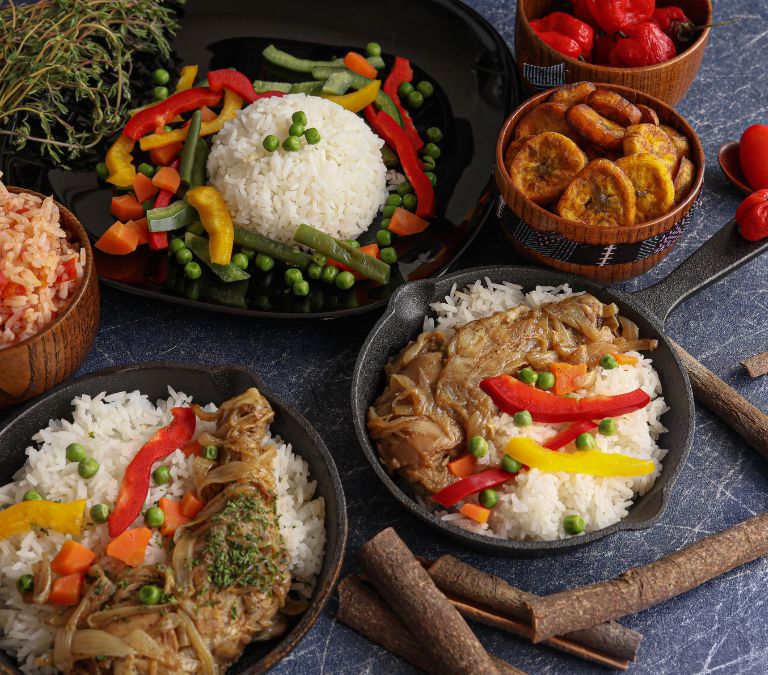 Spicy foods like chili, black pepper, salsa, hanebero pepper, etc., are known for their characteristic feature of hotness, which according to research, has been confirmed to worsen menopausal symptoms like hot flashes and night sweats. So women going through menopause are advised to rethink before extra salsa to their tacos, and when looking to add some flavoring to a bland dish, they should go for cooler and yet flavored spices like basil, oregano, cumin, curry, turmeric, etc. as against jalapeños and the likes that are considered as heat trigger, especially for menopausal women.
 True as it may be about drive-through restaurants always being a life-saver and can be convenient when one is short on time and in a rush, but their meals are often fatty and spicy, laced with loads of sodium and other additives which often serve as a trigger for heightened and severity of menopausal symptoms – cardiovascular dysfunctions, type II diabetes, obesity, metabolic disorder, and hot flashes; to manage this situation, menopausal women are advised to have quick, healthy foods on hand by packing a lunch or make plans with leftovers by freezing them; or if it becomes pertinent to eat out, go for healthier meals like air fried or grilled chicken and whole-grain bun sandwich with suttee lettuce, and tomatoes.
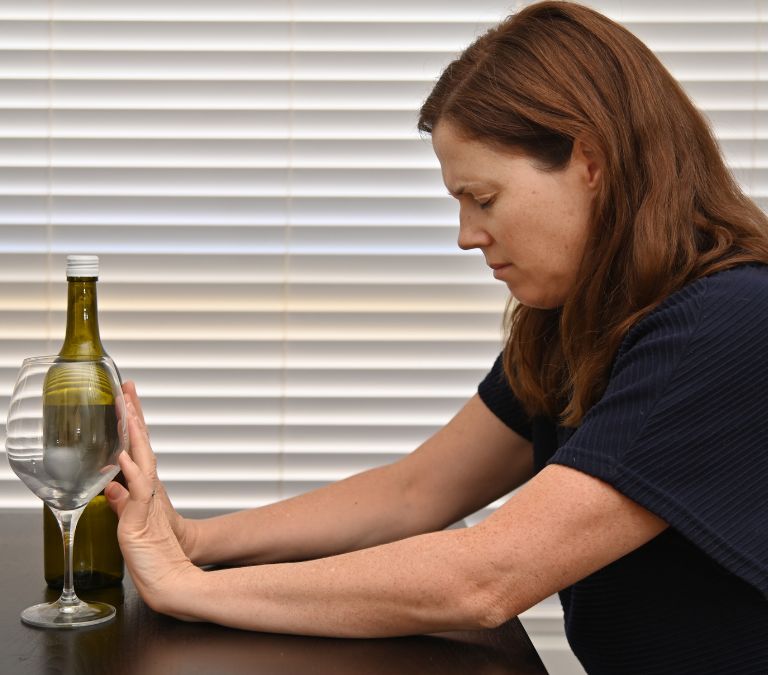 As much as it may not be a serious necessity to swear off all alcoholics and wine, there are many good reasons to keep alcohol consumption at the bear, especially for menopausal women, as studies have shown that women who consume a lot of alcohol are at greater risk of developing breast cancer and cardiovascular diseases compared to those who don’t drink at all.
Also, the biochemical analysis of alcohol has shown it to contain empty calories (the type of energy that is not useful to the body) and, as such, is always quickly metabolized, and the heat accompanying its metabolism causes hot flashes, which will invariably increase the night sweating symptoms in the case of menopausal women; and can also cause fatty liver and worsen weight gain, especially in the abdominal region due to fat depositions.
It has been suggested that menopausal women for a white wine spritzer with fruit has a very alcoholic percentage compared to other conventional wines and alcoholic beverages if it becomes a necessity for them to take alcohol.
As much as it may not be a serious necessity to swear off all alcoholics and wine, there are many good reasons to keep alcohol consumption at the bear, especially for menopausal women, as studies have shown that women who consume a lot of alcohol are at greater risk of developing breast cancer and cardiovascular diseases compared to those who don’t drink at all.
Also, the biochemical analysis of alcohol has shown it to contain empty calories (the type of energy that is not useful to the body) and, as such, is always quickly metabolized, and the heat accompanying its metabolism causes hot flashes, which will invariably increase the night sweating symptoms in the case of menopausal women; and can also cause fatty liver and worsen weight gain, especially in the abdominal region due to fat depositions.
It has been suggested that menopausal women for a white wine spritzer with fruit has a very alcoholic percentage compared to other conventional wines and alcoholic beverages if it becomes a necessity for them to take alcohol.
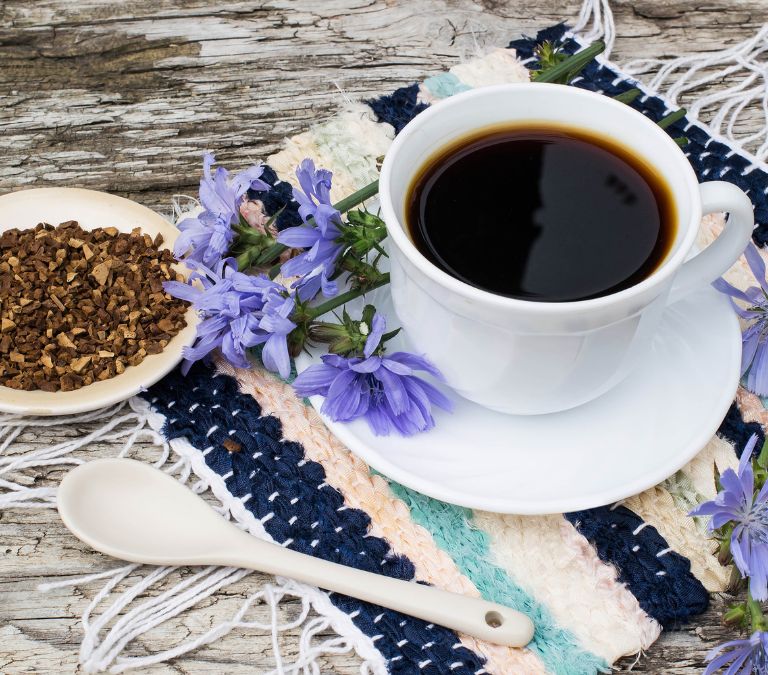 Caffeine is known to be active in most tea and coffee, and from research, it has been found that it worsens and that women who consume caffeinated drinks, be it tea, coffee, or energy drinks, are more likely to experience hot flashes than those who do not.
A warm cup of ginger or peppermint drink is a perfect replacement for caffeinated drinks, while a quick walk as an exercise can always release the body with extra energy than the reliance on energy drinks.
Caffeine is known to be active in most tea and coffee, and from research, it has been found that it worsens and that women who consume caffeinated drinks, be it tea, coffee, or energy drinks, are more likely to experience hot flashes than those who do not.
A warm cup of ginger or peppermint drink is a perfect replacement for caffeinated drinks, while a quick walk as an exercise can always release the body with extra energy than the reliance on energy drinks.
 Fatty meats are high in saturated fats, which can further aggravate menopausal symptoms like cardiovascular dysfunctions and reduce serotonin – a hormone notable for relaxing the brain and body, helping to manage insomnia and anxiety, and depression.
Lean meats like chicken, turkey, and beef are great alternatives to fatty meats; and as well help to manage the symptoms of menopause like hot flashes and night sweats, heart rate irregularities, and shortness of breath.
Fatty meats are high in saturated fats, which can further aggravate menopausal symptoms like cardiovascular dysfunctions and reduce serotonin – a hormone notable for relaxing the brain and body, helping to manage insomnia and anxiety, and depression.
Lean meats like chicken, turkey, and beef are great alternatives to fatty meats; and as well help to manage the symptoms of menopause like hot flashes and night sweats, heart rate irregularities, and shortness of breath.
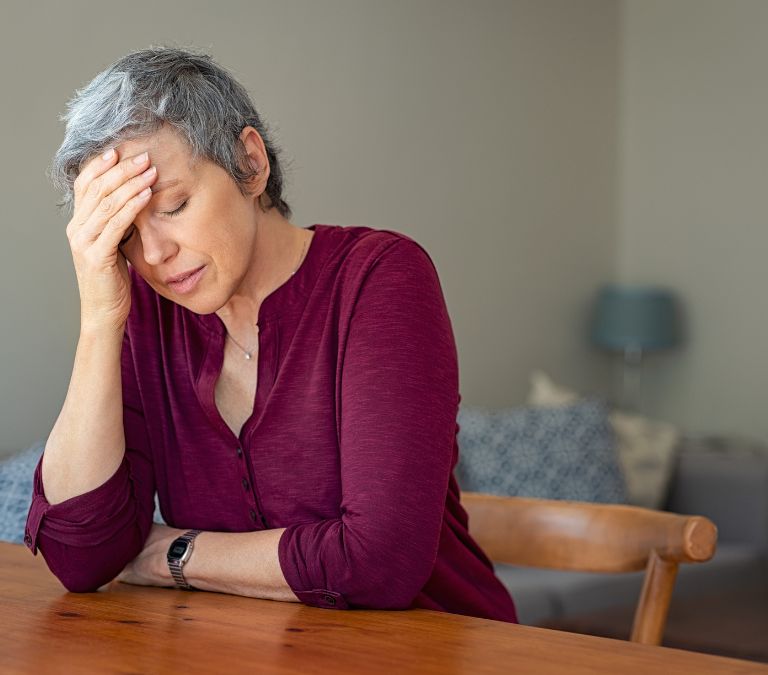 Anxiety disorder and stress are common in menopausal women and have been closely associated with night sweats as they make the sweat gland more responsive.
Stress and anxiety are also closely associated with insomnia as most women with anxiety disorder tend to think so much of the night sweats, which further aggravates the menopausal symptoms like heartbeat irregularities, hot flashes, and shortness of breath.
Anxiety disorder and stress are common in menopausal women and have been closely associated with night sweats as they make the sweat gland more responsive.
Stress and anxiety are also closely associated with insomnia as most women with anxiety disorder tend to think so much of the night sweats, which further aggravates the menopausal symptoms like heartbeat irregularities, hot flashes, and shortness of breath.
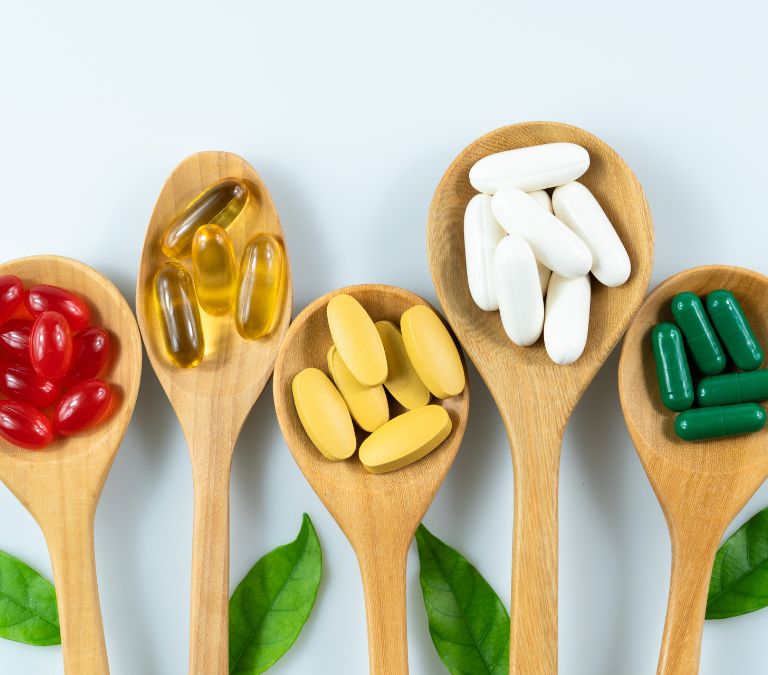 Most menopausal women report excessive night sweats as counter-indication after taking some medications like non-steroidal anti-inflammatory drugs, e.g., ibuprofen, painkillers, e.g. aspirin, antidepressant, cortisones, hypoglycemic drugs, some antibiotics, etc.
Women undergoing menopausal transition are advised to always report to their doctors any counter-indications/side effects of medications; to know if they are to continue or withdraw from using the medication. Also, women going through menopause are strictly advised against self-medication as it predisposes them to more dangers.
Most menopausal women report excessive night sweats as counter-indication after taking some medications like non-steroidal anti-inflammatory drugs, e.g., ibuprofen, painkillers, e.g. aspirin, antidepressant, cortisones, hypoglycemic drugs, some antibiotics, etc.
Women undergoing menopausal transition are advised to always report to their doctors any counter-indications/side effects of medications; to know if they are to continue or withdraw from using the medication. Also, women going through menopause are strictly advised against self-medication as it predisposes them to more dangers.
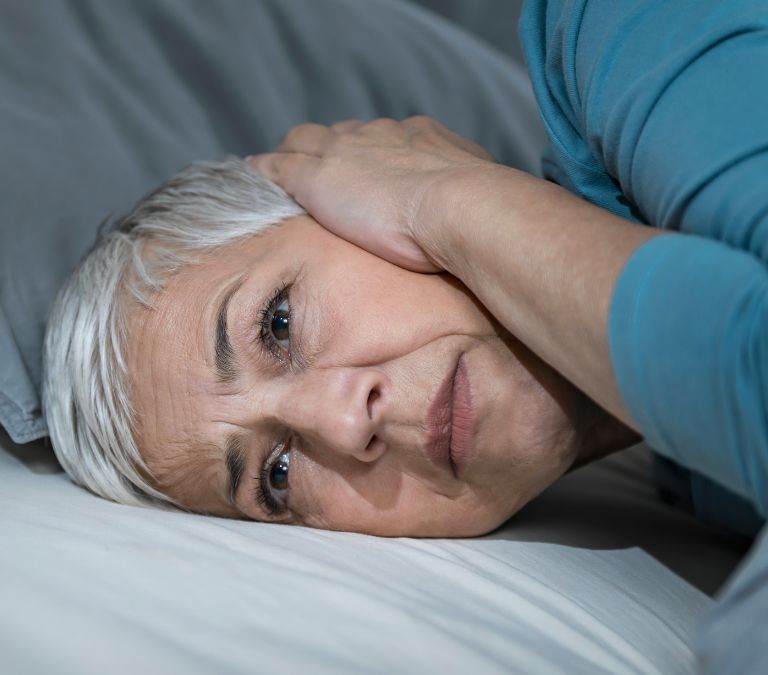 Sleep disorder has always been associated with menopause, and this makes night sweats more severe for menopausal women as the liver’s metabolic activities are heightened in the early hours of the morning, around 2 a.m.; and these sleep issues make the bodies of menopausal women more responsive to the heat by-product of metabolism by the liver resulting in more night sweats. And this reaction and accompanying heat-product further worsens the sleeping disorder and can result in stress and anxiety due to lack of sleep.
 To research, mood swing is closely linked to liver function; that is, how overworked or over-stressed the liver is, resulting in fatigue and excessive sweating, which are notable symptoms of menopause.
Women and night sweats
Night sweats can affect anyone, but it is most commonly associated with women, especially women going through menopausal transitions; this is often medically associated with hormonal changes in relatedness to reproductive hormones, like estrogen and progesterone – which can cause unpleasant changes in the body temperature regulation center – the hypothalamus; disrupting whole body’s heat regulation mechanism, releasing unregulated heat and making the body feel hot, especially at night. Thus body responds with a flash (hot flash) to initiate a cooling effect (to cool down) through excessive sweating.
Hot flashes and night sweats are the most common and serious symptoms of menopause as, according to studies, 7 out of 10 women more than two-thirds) of women going through menopausal transition experience mild to intense night sweats.
According to the report, hot flashes proceed from the face to the neck and chest, and suddenly a flush all over the body, making menopausal women feel overheated and sweaty, and sometimes shortness of breath with increased heart rate.
Hot Flashes beget night sweats as night sweats are hot flashes that happen while you’re trying to sleep, which can be mild or severe – sometimes, the severity serves as an indicator of other underlying health conditions.
Hormonal changes are often to blame for hot flashes and other menopausal symptoms. You can’t change the process your body goes through during menopause
- Premenopausal and menopausal women
- Premenstrual syndrome (PMS) or premenstrual dysphoric disorder (PMDD)
- Pregnancy
- Other conditions
-
Viral infections like colds, influenza, and HIV
-
Substance abuse – overconsumption and abuse of substances like alcoholic beverages, heroin, meth, and cocaine.
-
Sleep disorders like obstructive sleep apnea.
-
Side effects of other medications – like steroids, NSAIDs (acetaminophen, aspirin, ibuprofen, etc.), high blood pressure medications, antidepressants, and diabetes drugs.
-
Side effects of chemotherapeutic agents like opioids, aromatase inhibitors, steroids, and tamoxifen.
-
Neurodegenerative disorders like stroke, autonomic neuropathy, dyslexia, Parkison, syringomyelia (cyst in the spinal cord), etc.
-
Infectious diseases like tuberculosis, HIV and AIDs, etc.
-
Hormonal diseases like hyperthyroidism, diabetes (Mellitus and insipidus), and endocrine tumors.
-
Digestive disorders example is gastroesophageal reflux disease
-
Cancers like blood, bone marrow, breast, and cervical cancers.
-
Psychological health disorders like panic alertness, brain fog, anxiety disorder, etc.
-
Bacterial infections include endocarditis, bone marrow inflammation (osteomyelitis), and abscisic liver.
Why Menopausal Women Sweat More?
Although the main cause of night sweating for women going through menopausal transition has been identified as changes in hormones levels – hormonal imbalance with regards to the continuous decline in estrogen level which invariably affects the level of progesterone as discussed above; other factors also contribute to worsening the night sweat symptom experienced by menopausal women causing them to sweat more. These factors include most lifestyle factors like choice of diet, stress and anxiety, medications, mood swings, and lack of exercise.- Choice of Diet
Diet choices and consumption of less-than-healthy foods through menopause worsen common menopausal symptoms, such as hot flashes and sleeplessness; thus, being certain about what to avoid or consume could aid the smooth transition in menopause, where the symptoms could become bearable and manageable.
Reaching for a healthy, well-balanced, and appropriate diet is one sure way to reduce the effect of most bothersome symptoms accompanying menopause – as good nutrition can make a big difference in how most women feel concerning menopausal symptoms like weight gain, bloating, mental and physical exhaustion, mood swings, anxiety and depression, and hot flashes. Therefore, women going through menopausal transition are advised to imbibe whole grains, cruciferous and leafy green veggies, legumes and peas, fruits, lean proteins, and food rich in omega 3, and maintain good hydration through drinking enough water.
And in the same vein, there are foods that their consumption should be greatly reduced in the case where it is not possible to avoid them entirely, as their consumption does more harm than good, and they are closely linked with increased severity of most menopausal symptoms. These foods include processed carbohydrates and foods, alcohol, caffeine, spicy foods, etc.
The following Foods May Worsen Menopausal Symptoms like hot flashes in women and cause them to sweat more:-
- Processed Foods
As much as cookies, bread dough, sweetened yogurt, potato chips, etc. taste good, they contain high in sodium and added sugars (artificial sugar, sweetener), which cause water retention in the body as they tend to increase the blood solute concentration causing symptoms such as bloating and metabolic disorder to worsen. There are many healthier alternatives to this processed snack, and they include – e string cheese, carrots dipped in hummus, whole-grain crackers, peanut butter, unsweetened yogurt, etc.; which will satisfy cravings without predisposing women in menopause transition to arrays of bothersome symptoms with heightened effects.
- Spicy Foods
Spicy foods like chili, black pepper, salsa, hanebero pepper, etc., are known for their characteristic feature of hotness, which according to research, has been confirmed to worsen menopausal symptoms like hot flashes and night sweats. So women going through menopause are advised to rethink before extra salsa to their tacos, and when looking to add some flavoring to a bland dish, they should go for cooler and yet flavored spices like basil, oregano, cumin, curry, turmeric, etc. as against jalapeños and the likes that are considered as heat trigger, especially for menopausal women.
- Fast Food
True as it may be about drive-through restaurants always being a life-saver and can be convenient when one is short on time and in a rush, but their meals are often fatty and spicy, laced with loads of sodium and other additives which often serve as a trigger for heightened and severity of menopausal symptoms – cardiovascular dysfunctions, type II diabetes, obesity, metabolic disorder, and hot flashes; to manage this situation, menopausal women are advised to have quick, healthy foods on hand by packing a lunch or make plans with leftovers by freezing them; or if it becomes pertinent to eat out, go for healthier meals like air fried or grilled chicken and whole-grain bun sandwich with suttee lettuce, and tomatoes.
- Alcohol
As much as it may not be a serious necessity to swear off all alcoholics and wine, there are many good reasons to keep alcohol consumption at the bear, especially for menopausal women, as studies have shown that women who consume a lot of alcohol are at greater risk of developing breast cancer and cardiovascular diseases compared to those who don’t drink at all.
Also, the biochemical analysis of alcohol has shown it to contain empty calories (the type of energy that is not useful to the body) and, as such, is always quickly metabolized, and the heat accompanying its metabolism causes hot flashes, which will invariably increase the night sweating symptoms in the case of menopausal women; and can also cause fatty liver and worsen weight gain, especially in the abdominal region due to fat depositions.
It has been suggested that menopausal women for a white wine spritzer with fruit has a very alcoholic percentage compared to other conventional wines and alcoholic beverages if it becomes a necessity for them to take alcohol.
- Caffeine
Caffeine is known to be active in most tea and coffee, and from research, it has been found that it worsens and that women who consume caffeinated drinks, be it tea, coffee, or energy drinks, are more likely to experience hot flashes than those who do not.
A warm cup of ginger or peppermint drink is a perfect replacement for caffeinated drinks, while a quick walk as an exercise can always release the body with extra energy than the reliance on energy drinks.
- Fatty Meats
Fatty meats are high in saturated fats, which can further aggravate menopausal symptoms like cardiovascular dysfunctions and reduce serotonin – a hormone notable for relaxing the brain and body, helping to manage insomnia and anxiety, and depression.
Lean meats like chicken, turkey, and beef are great alternatives to fatty meats; and as well help to manage the symptoms of menopause like hot flashes and night sweats, heart rate irregularities, and shortness of breath.
- Anxiety and Stress
Anxiety disorder and stress are common in menopausal women and have been closely associated with night sweats as they make the sweat gland more responsive.
Stress and anxiety are also closely associated with insomnia as most women with anxiety disorder tend to think so much of the night sweats, which further aggravates the menopausal symptoms like heartbeat irregularities, hot flashes, and shortness of breath.
- Medications
Most menopausal women report excessive night sweats as counter-indication after taking some medications like non-steroidal anti-inflammatory drugs, e.g., ibuprofen, painkillers, e.g. aspirin, antidepressant, cortisones, hypoglycemic drugs, some antibiotics, etc.
Women undergoing menopausal transition are advised to always report to their doctors any counter-indications/side effects of medications; to know if they are to continue or withdraw from using the medication. Also, women going through menopause are strictly advised against self-medication as it predisposes them to more dangers.
- Sleep issues
Sleep disorder has always been associated with menopause, and this makes night sweats more severe for menopausal women as the liver’s metabolic activities are heightened in the early hours of the morning, around 2 a.m.; and these sleep issues make the bodies of menopausal women more responsive to the heat by-product of metabolism by the liver resulting in more night sweats. And this reaction and accompanying heat-product further worsens the sleeping disorder and can result in stress and anxiety due to lack of sleep.
- Mood swings
To research, mood swing is closely linked to liver function; that is, how overworked or over-stressed the liver is, resulting in fatigue and excessive sweating, which are notable symptoms of menopause.
- Toxic Overloading and Mineral Imbalance
-
Anticonvulsants – like pregabalin and gabapentin help manage hot flashes and night sweats and are also effective in managing and preventing seizures.
-
Antidepressants – like harness, one of the forms of paroxetine, are approved by U.S. Food and Drug Administration (FDA) in managing hot flashes.
-
Clonidine – is effective in treating hot flashes and night sweats and also very effective in managing high blood pressure.
-
Megestrol is another effective medication for managing night sweats; it is also used as a chemotherapeutic agent for uterine and breasts cancers treatment.
-
Oxybutynin – is also effective in managing hot flushes and urinary tract infections.
- Avoid triggers
- Imbibe Healthy and helpful habits toward daily activities
-
Maintaining a calm routine void of stress during bedtime.
-
Exercising during the day as it is a great muscle relaxant and greatly decreases stress resulting in a restful sleep at night free of sweats
-
Wear light and loose-fitting clothes during bedtime, and keep other thick clothing handy in case of temperature fluctuations.
-
Make a bedside fan a necessity.
-
Reduce the thermostat before bedtime
-
Turning the sleeping pillow often to avoid soaking in too much sweat on one side becomes very discomforting.
-
Maintain a healthy weight
- Getting relief amidst sleep
-
Turn down the bedroom thermostat (heater).
-
Turn on the bedside fan.
-
Remove bed sheets, duvet, and blankets.
-
Remove layers of extra clothing and change into looser and lighter clothes
-
use coolants like sprays, gels, and special cooling pillows
-
sip cool water
-
Practice slow and deep breathing to relax the body.
- Consume natural foods and supplements in diet choices
-
Consuming one or two servings of soy per day.
-
Eating black cohosh food-grade oil or consuming black cohosh supplement capsules (however, it is associated with digestive distress, blood clots, and abnormal bleeding, and not to be consumed by people with the impaired liver.
-
Evening primrose food-grade oil and evening primrose supplement capsules – are very effective for managing hot flashes but has side effect like diarrhea and stomach upset. It interacts with blood thinners and should not be taken when on thinning blood medication.
-
Consuming flax seeds and taking flaxseed supplement capsules or flaxseed oil (linseed oil).
-
Neurontin
-
Kapvay
-
paroxetine (Paxil) and venlafaxine (Effexor XR)
-
Sleeping pills (although does not stop hot flashes but help to induce deeper sleep such that the sweat hardly disturbs sleep. Note: this is not advisable)
-
vitamin B complex
-
vitamin E
-
Non-steroidal anti-inflammatory drugs like Advil.
-
acupuncturing
- Yoga, Aerobic Exercise, and Breathing Exercises
- Cold Drinks
- Lifestyle Changes
-
Quit cigarettes and smoking, which usually induce hot flashes.
-
Stop entirely or drastically reduce the intake of alcoholic beverages to not more than a bottle per day.
-
Maintain healthy body weight through diet choices and exercise.
-
Consuming heart-friendly diets
-
Get enough calcium (1,200-1,500 mg) and vitamin D (400 IU) from food or supplementation daily.