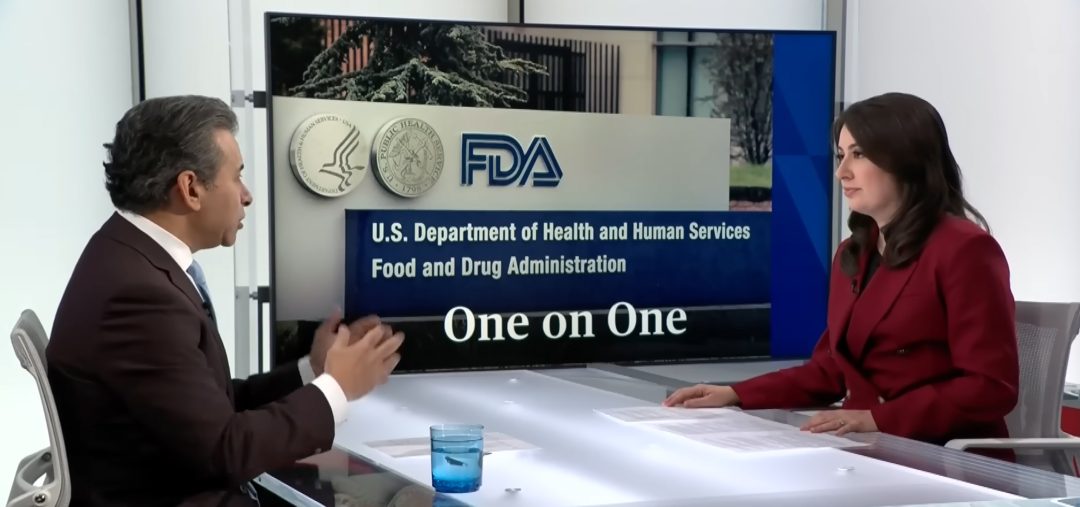
RFK Jr. and FDA Officials Make Announcement on Women's Health
Expert Panel on Menopause and Hormone Replacement Therapy for Women
A high-profile FDA panel convened in July 2025 sparked a pivotal public reckoning with the way hormone replacement therapy (HRT) for menopause is regulated and understood in the U.S. Leading experts challenged outdated warnings rooted in decades-old studies, highlighting mounting evidence for the safety and benefits of modern HRT—especially when initiated early. The meeting underscored both the scientific and human costs of regulatory inertia, signaling a major shift in national menopause care.
Correcting the Record: Re-evaluating the Risks and Benefits of Menopausal HRT
Dr. Hirsch challenged the outdated fear surrounding hormone therapy, especially the legacy of the WHI study. She called for removing the black box warning and advocated for patient-centered care, emphasizing the importance of educating both clinicians and the public with current evidence.
Beyond the WHI: Modernizing FDA Warnings on Hormone Therapy
Dr. Levy addressed the FDA’s black box warning, arguing it fails to reflect modern science. She focused on the distinction between systemic and local hormones and urged the FDA to revise its labeling to prevent unnecessary suffering and restore trust in HRT.
Women’s Access and Policy Reform: Why Black Box Warnings Must Change
Dr. Pinkerton delivered a powerful call to action, urging removal of the black box warning on hormone therapies. She emphasized the proven benefits of early intervention and called the outdated label a barrier to equitable, evidence-based care for millions of women.
Timing Matters: When and How HRT Delivers the Greatest Benefit
Dr. Simon highlighted how the timing of hormone therapy dramatically affects risk and benefit. With proper initiation and patient selection, he argued, HRT is both safe and effective—and current policy should reflect this individualized, modern approach to care.
More Than Symptoms: HRT and Mental Health in Menopause
Dr. Sarrel reframed menopause as a public-health crisis when left untreated. He emphasized HRT’s role not just in symptom relief, but in improving mood and reducing anxiety, calling for broader recognition of its mental health benefits in regulatory policy.
New Frontiers: Menopause, HRT, and the Female Brain
Dr. Brinton presented compelling research linking menopause-related hormone loss to Alzheimer’s risk. She explained how timely hormone therapy may protect brain function and called for smarter regulation that reflects newly emerging neurobiological evidence.
Bones at Risk: Estrogen, Osteoporosis, and Why Timing Counts
Dr. Wright focused on estrogen’s bone-preserving power, presenting HRT as the most effective therapy for preventing fractures. She argued that the black box warning deters life-saving interventions and must be removed to improve aging outcomes for women.
Testosterone Inequality: The Gender Gap in Hormone Care
Dr. Casperson highlighted gender disparities in hormone access, particularly the FDA’s failure to approve testosterone for women. She underscored how regulatory bias leaves women under-treated and pushed for fair, evidence-based therapeutic options.
Debunking Myths: Why the Black Box on Vaginal Estrogen Endangers Women
Dr. Minkin debunked myths about vaginal estrogen and condemned the black box warning as unsupported and damaging. She emphasized that low-dose vaginal therapy is safe and critical, and that outdated warnings harm both access and public perception.
Skepticism to Science: The Real Risks and Benefits of Local Estrogen Therapy
Dr. Rubin argued that vaginal estrogen is both essential and safe, yet remains stigmatized by outdated labeling. She showed the costs—clinical and economic—of withholding proven therapies, and advocated for removing regulatory barriers to access.
All-Cause Mortality and CVD: The Timing Hypothesis in HRT
Dr. Hodis emphasized that hormone therapy, when started early, improves survival and lowers cardiovascular risk. He advocated for a stratified approach to HRT labeling and urged the FDA to align regulatory guidance with decades of timing-specific data.
We are a center supporting women from puberty to post-menopause. We offer pregnancy and lactation services, perimenopause and menopause support, Read more...
Individualized Wellness Plan Hormone and Wellness Support Schedule a Consultation with an Experienced Board-Certified Licensed Family Nurse Practitioner Read more...
Pricilla Piñero, MSN, FNP-BC Founder of Infinite Quest Health & Wellness Pricilla Piñero is a bilingual Hispanic/Latina board-certified Nurse Practitioner
Videos Provided by Members
About Stress Urinary Incontinence
Dr. George K. Ibrahim
Biltmore Restorative Medicine
Article Insights & Reflections Synopsis: This piece examines why conventional hormone therapy often falls short in addressing menopause symptoms comprehensively.