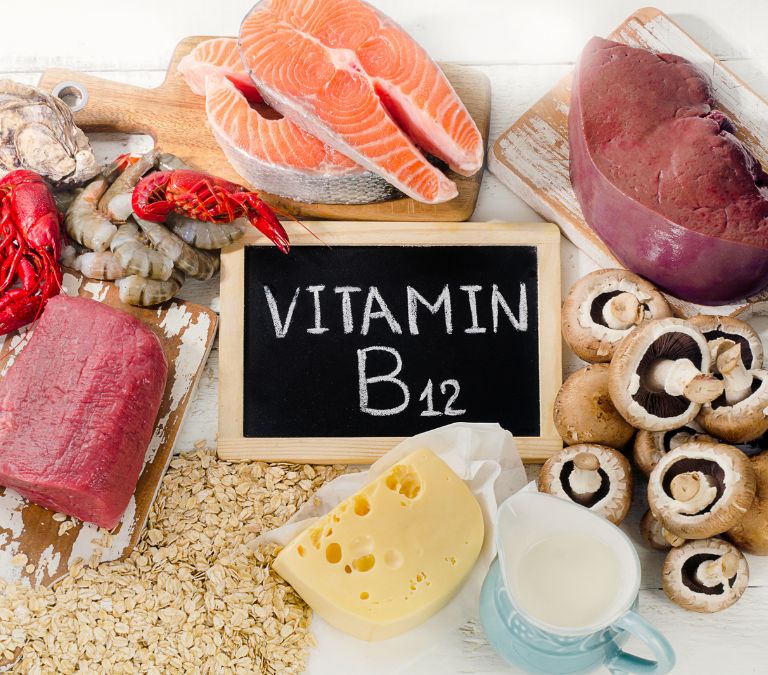
Vitamin B12 is important for healthy nerve cells and blood and is also needed to make DNA, the genetic material in every body cell. Vitamin B12 is an important nutrient that can mostly be found in meat, fish, and dairy products. It is often mixed with other B vitamins; a lab can make it.
Vitamin B12 is important for proper functioning and brain, nerves, and blood cell growth. Most people take vitamin B12 because their blood has too much homocysteine, they have been poisoned by cyanide, or they don’t get enough vitamin B12.
During menopause, the most obvious signs of a lack of B12 are Weakness, Problems with remembering and thinking, Negative feelings, such as apathy, sadness, and anger, digestion problems, trouble falling asleep, feeling like your heart is beating too fast, all the time, tingling, numbness, and other nerve-like feelings that aren’t normal, like burning feet, coordination problems, trouble keeping your balance, or trouble walking, shaking, dizziness, breathing difficulty, inflammation, and redness of the tongue, depression, loss of appetite, heart trouble, bone loss.
Menopause can lead to poor health, and deficiencies in B vitamins have increased the risk of stroke, heart disease, and dementia in older adults. It’s important to tell the difference between menopausal symptoms and those caused by a lack of nutrients because the two are often mistaken for each other.
People have said that B vitamins like B-6 and B-12 help the brain work better. Some women may have memory loss, trouble focusing, and general cognitive dysfunction during menopause (often known as “brain fog”). Whether a woman goes through menopause or not, getting enough of these vitamins may lower her chance of getting dementia in the long run.
During the transition to menopause, depression seems to get worse. Vitamin B-6 has been shown to lower the risk of depression in older people, and one study suggests that this benefit also applies to women going through menopause.
Vitamin B12 is important for proper functioning and brain, nerves, and blood cell growth. The part of vitamin B12 that does the body’s work is called methylcobalamin. Most people take cyanocobalamin as a supplement, which needs to be changed by the body.
Most people take vitamin B-12 because their blood has too much homocysteine, they have been poisoned by cyanide, or they don’t get enough vitamin B12. There is little to no reliable scientific evidence to support its use to treat canker sores, cataracts, Alzheimer’s disease, osteoporosis, fatigue, and a wide range of other conditions.
Vitamin B12 needs to be absorbed in two steps. This vitamin is linked to protein in the food we eat. The hydrochloric acid in the stomach breaks apart the chemical bonds between vitamin B12 and this protein. The vitamin then joins forces with another protein in the stomach (called the intrinsic factor). After that, it goes into the body.
Osteoporosis can happen if you lose bone mineral density, and studies have shown that people with low levels of vitamins B-2, B-6, and B-12 may be at a higher risk.
Vitamin B12 has a lot of awesome benefits in the body. Below are the top 10 awesome benefits of vitamin b12:
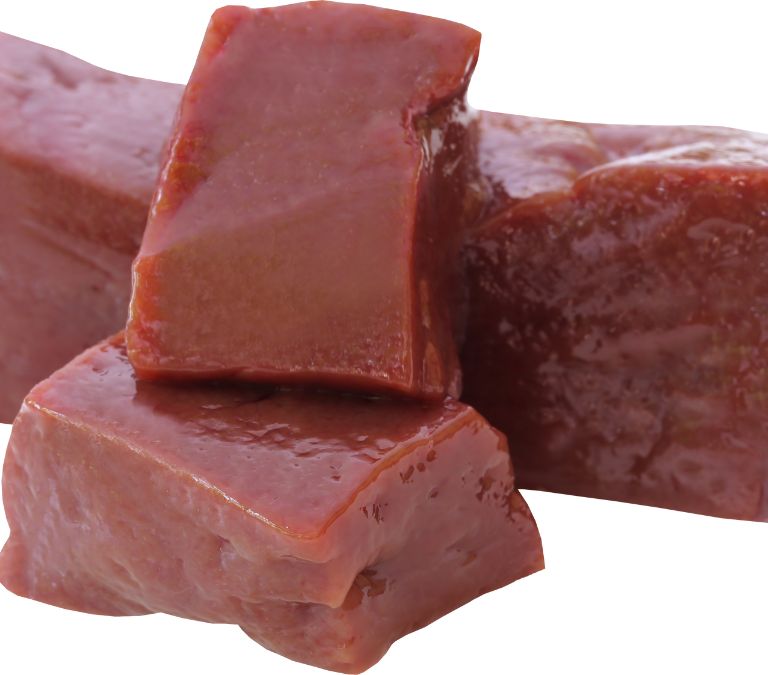 Organ meat, like liver and kidneys, is very healthy because it has a lot of vitamin B 12. For example, one hundred grams of lamb has 3,571 percent DV for vitamin B12, making it a great choice. Beef has a lot of vitamin B 12, so eating it can help you get enough of this nutrient. One grilled steak has 467 percent of the recommended amount of vitamin B 12.
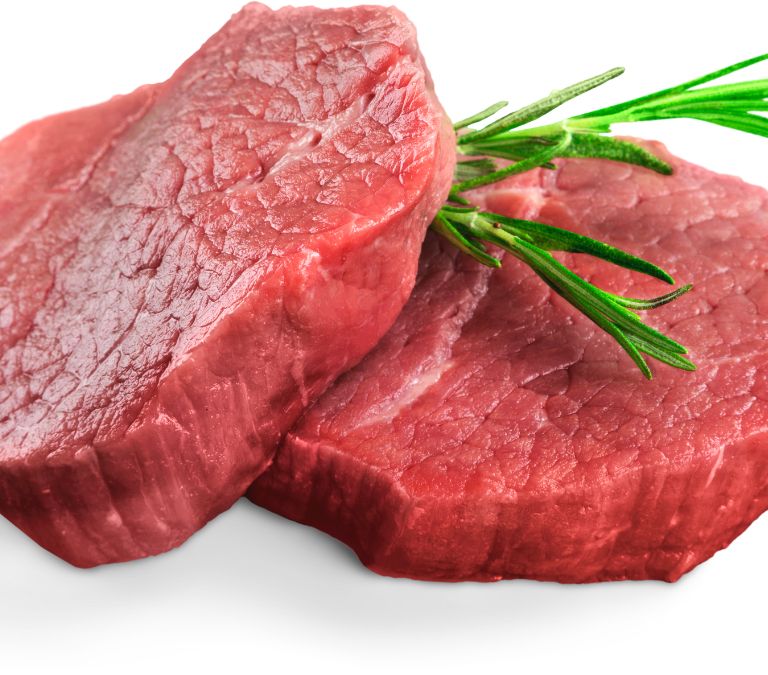 Beef is a good source of many vitamins and minerals, including B vitamins, B2, and B3.
Choose lean cuts and cook them low-fat to get the most nutrition out of your meat. You could grill or roast instead of frying. Because of this, you’ll likely absorb more vitamin B12.
Beef is a good source of many vitamins and minerals, including B vitamins, B2, and B3.
Choose lean cuts and cook them low-fat to get the most nutrition out of your meat. You could grill or roast instead of frying. Because of this, you’ll likely absorb more vitamin B12.
 Tuna is often eaten by people trying to eat healthily and get the vitamins and minerals they need on a healthy day.
Tuna is a great source of both Omega 3 and vitamin B12. A 100g serving of cooked tuna has about 453% of the daily value for vitamin B12.
One serving of light tuna in water (165 grams) gives you 115% of the daily value.
Tuna is often eaten by people trying to eat healthily and get the vitamins and minerals they need on a healthy day.
Tuna is a great source of both Omega 3 and vitamin B12. A 100g serving of cooked tuna has about 453% of the daily value for vitamin B12.
One serving of light tuna in water (165 grams) gives you 115% of the daily value.
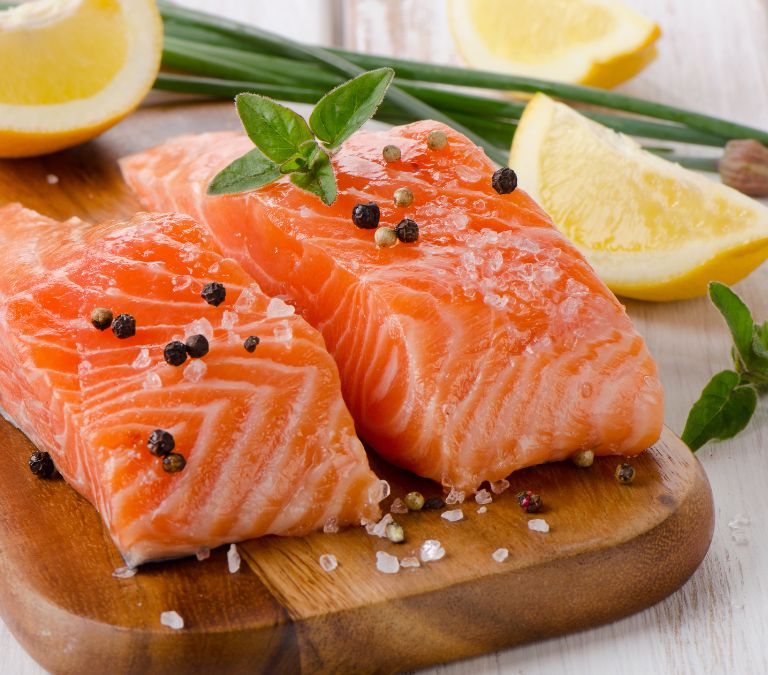 Tuna is a great way to get a lot of vitamin B12, but salmon is also a great choice. A half filet of cooked salmon (178g) has 208% of the daily value of vitamin B12 in it.
This fatty fish has a lot of health benefits that are hard to beat. This vitamin is found in salmon, a good source of healthy omega-3 fatty acids. One fried salmon Filet can give you more than 200% of your daily vitamin B12 needs (178 grams).
The same size portion can also have 40 grams of protein and 4,123 milligrams of omega-3 fatty acids.
Tuna is a great way to get a lot of vitamin B12, but salmon is also a great choice. A half filet of cooked salmon (178g) has 208% of the daily value of vitamin B12 in it.
This fatty fish has a lot of health benefits that are hard to beat. This vitamin is found in salmon, a good source of healthy omega-3 fatty acids. One fried salmon Filet can give you more than 200% of your daily vitamin B12 needs (178 grams).
The same size portion can also have 40 grams of protein and 4,123 milligrams of omega-3 fatty acids.
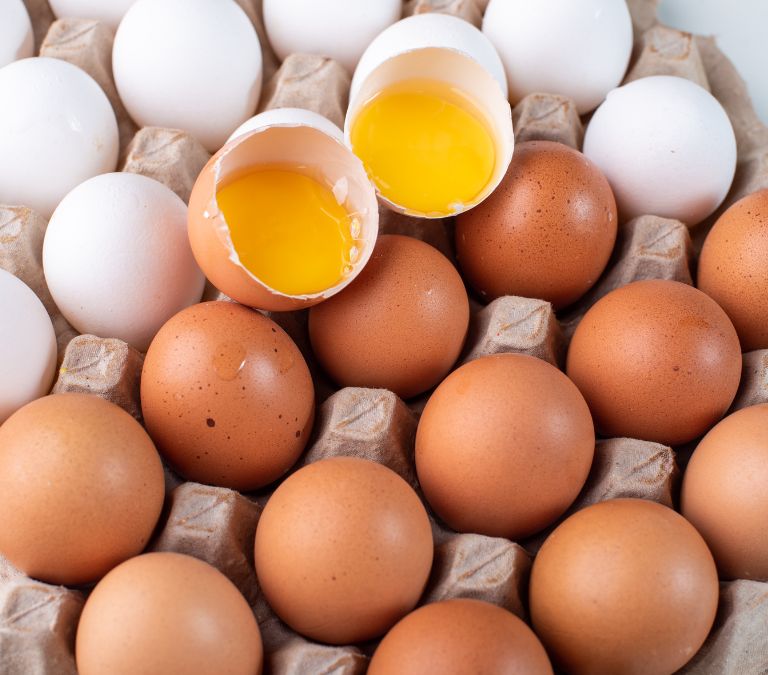 Eggs are flexible and have protein, vitamins B2 and B12, and vitamin B2.
The egg yolk has more vitamins than the egg whites, making it the most nutritious part of an egg. Studies have also shown that the body can better use the vitamins in egg yolks.
About two large eggs, or 100 grams, can give you 46% of your daily value of vitamin B 12.
Eggs are one of the few foods that contain vitamin D all by themselves. From 2 big eggs, you might get 11% of the recommended daily value.
Eggs are flexible and have protein, vitamins B2 and B12, and vitamin B2.
The egg yolk has more vitamins than the egg whites, making it the most nutritious part of an egg. Studies have also shown that the body can better use the vitamins in egg yolks.
About two large eggs, or 100 grams, can give you 46% of your daily value of vitamin B 12.
Eggs are one of the few foods that contain vitamin D all by themselves. From 2 big eggs, you might get 11% of the recommended daily value.
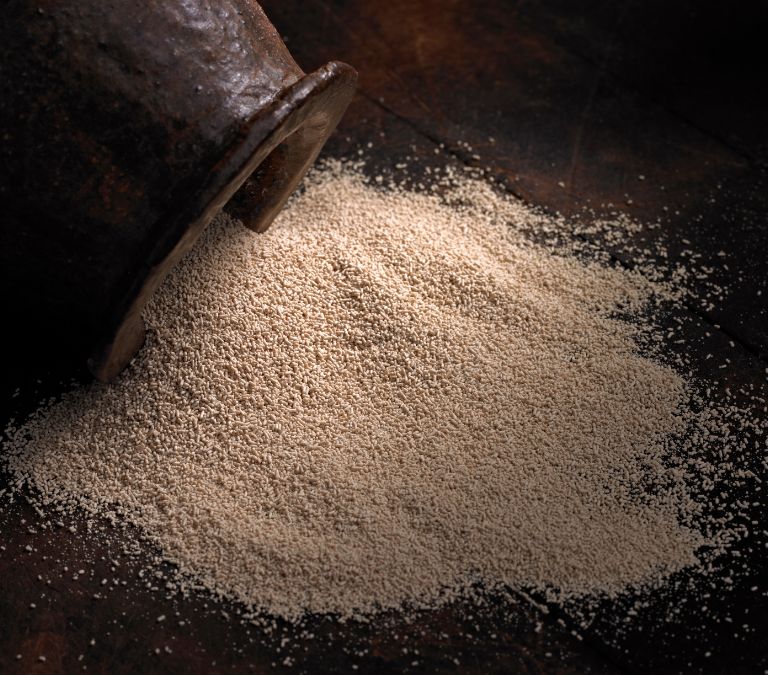 In the kitchen, You can use nutritional yeast instead of cheese, and as a garnish, it makes many vegan foods taste better and adds to their nutritional value. It’s still not clear how to add nutritional yeast to your diet.
Nutritional yeast is a great source of protein, vitamins, and minerals for vegans because it is often fortified with these things. This way, vitamin B12 is added to nutritional yeast when it wouldn’t be there otherwise.
In just 15g of nutritional yeast, you can find up to 733% of the Daily Value for vitamin B 12.
In the kitchen, You can use nutritional yeast instead of cheese, and as a garnish, it makes many vegan foods taste better and adds to their nutritional value. It’s still not clear how to add nutritional yeast to your diet.
Nutritional yeast is a great source of protein, vitamins, and minerals for vegans because it is often fortified with these things. This way, vitamin B12 is added to nutritional yeast when it wouldn’t be there otherwise.
In just 15g of nutritional yeast, you can find up to 733% of the Daily Value for vitamin B 12.
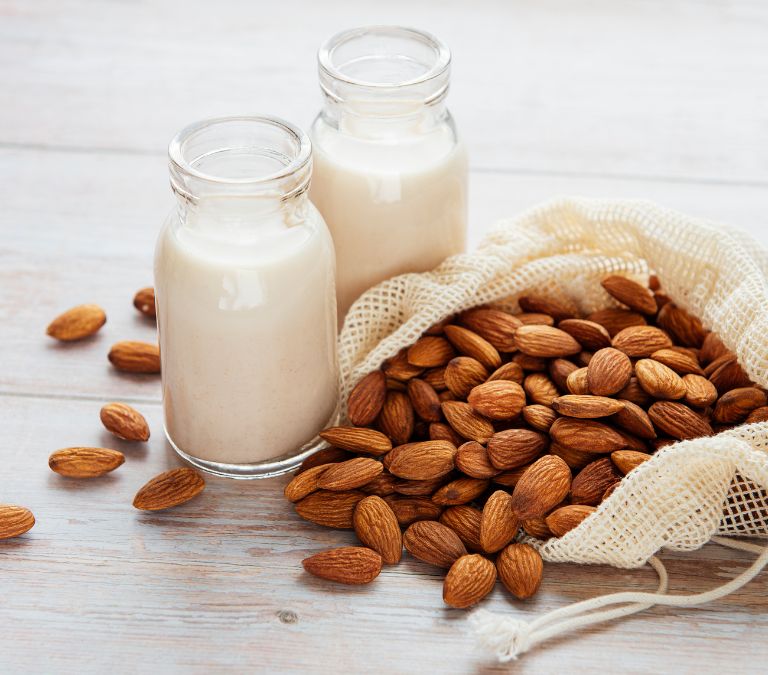 Fortified soy and almond milk have up to 86% of the DV for vitamin B12 in just 1 cup, and they taste great, too (240 ml).
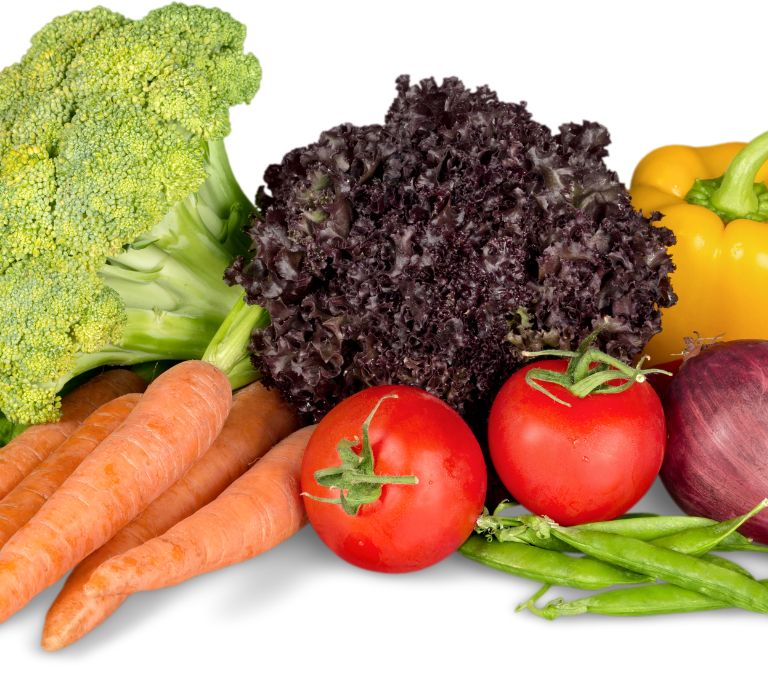 People trying to eat less meat often choose plant-based meats like non-dairy milk. Not all plant-based meat substitutes have the vitamins and minerals you need, so it’s important to do your research before buying one.
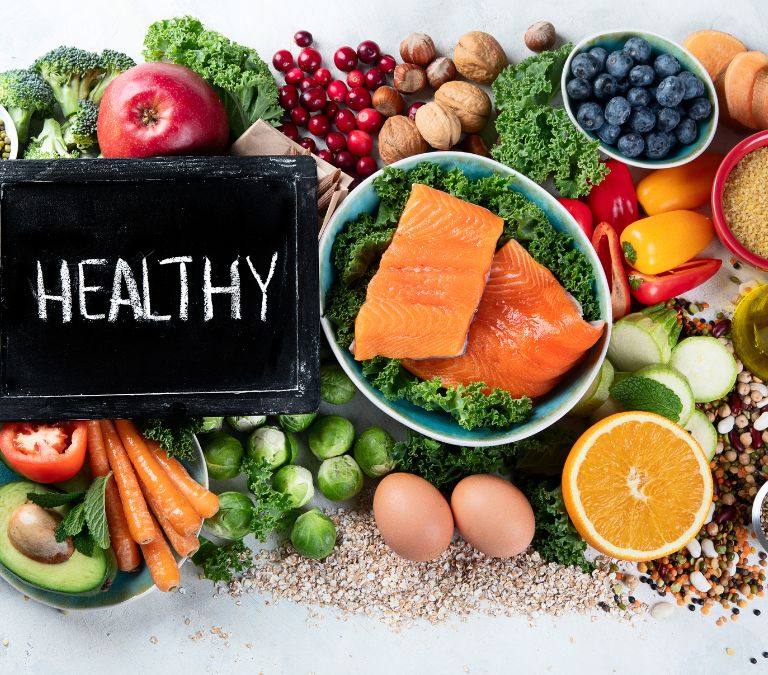 Cereals made with extra vitamins and minerals, like vitamin B12, might be good for vegetarians and vegans who don’t eat meat.
Choose a cereal with added vitamin B12 that is low in added sugar and high in fiber to help you get the recommended daily amount.
Cereals made with extra vitamins and minerals, like vitamin B12, might be good for vegetarians and vegans who don’t eat meat.
Choose a cereal with added vitamin B12 that is low in added sugar and high in fiber to help you get the recommended daily amount.
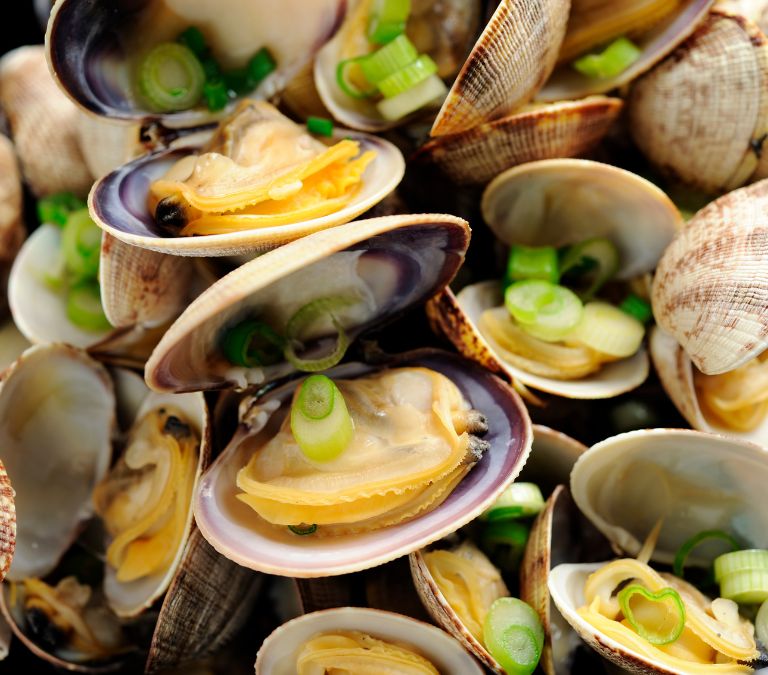 Clams are one of the best food sources of vitamin B12, whether they are cooked or eaten raw on the half shell with a splash of lemon juice. They are a great way to get iron, other B vitamins, and a lot of protein.
Clams provide 120% of the daily value for vitamin B12 with up to 99 mcg per 100 grams.
Clams are one of the best food sources of vitamin B12, whether they are cooked or eaten raw on the half shell with a splash of lemon juice. They are a great way to get iron, other B vitamins, and a lot of protein.
Clams provide 120% of the daily value for vitamin B12 with up to 99 mcg per 100 grams.
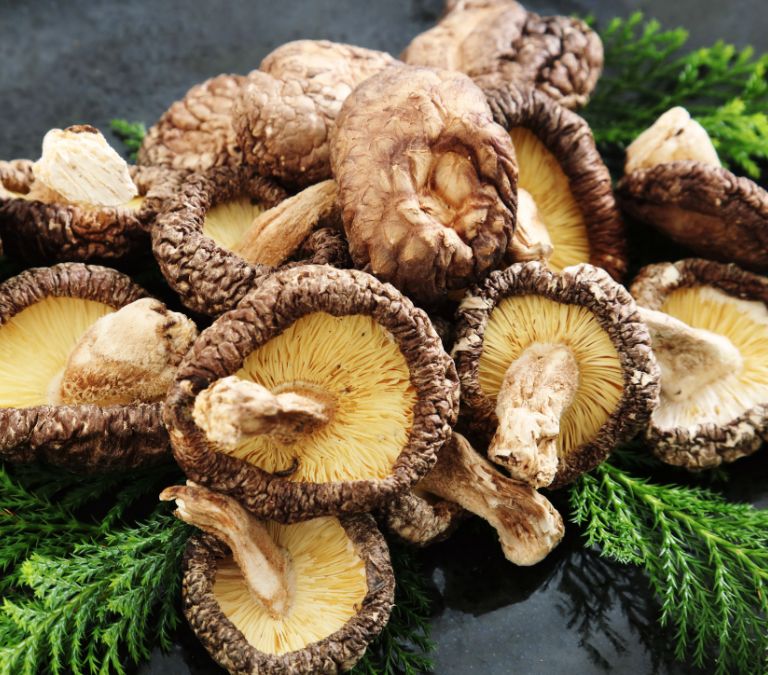 Vitamin B12 is found in shiitake mushrooms, which can help you lose weight. HealthifyMe says that
This nutrient is found in shiitake mushrooms in large amounts. But you’ll need to eat 50–60 grams of dry mushrooms daily to get enough vitamin B12 for the day.
You might find that mixing mushrooms and other vegetarian options like whey powder and paneer helps you reach your goal.
Dried shiitake mushrooms have 5.6 micrograms of vitamin B 12 per 100 grams, which is the most of any food.
Vitamin B12 is found in shiitake mushrooms, which can help you lose weight. HealthifyMe says that
This nutrient is found in shiitake mushrooms in large amounts. But you’ll need to eat 50–60 grams of dry mushrooms daily to get enough vitamin B12 for the day.
You might find that mixing mushrooms and other vegetarian options like whey powder and paneer helps you reach your goal.
Dried shiitake mushrooms have 5.6 micrograms of vitamin B 12 per 100 grams, which is the most of any food.
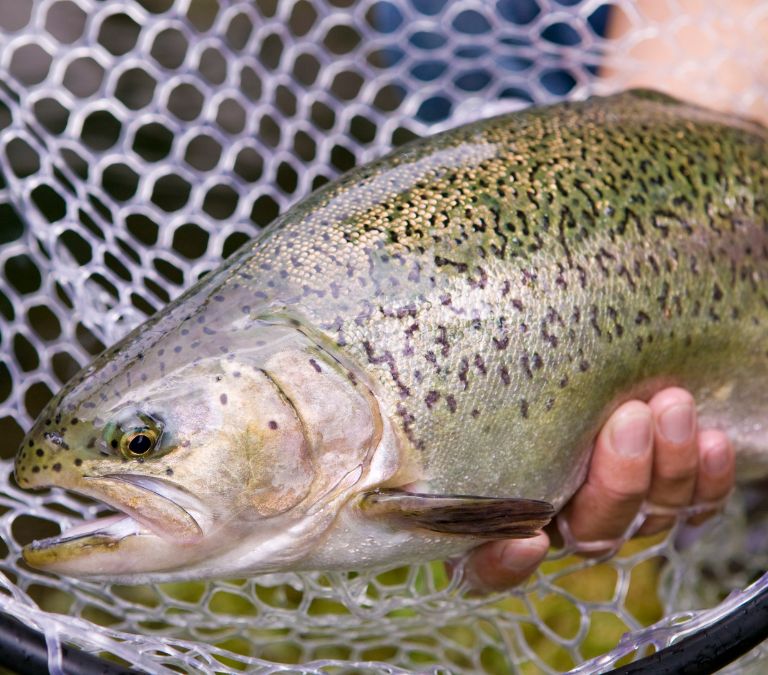 Trout has a lot of good things for your body. A normal filet may have about one day’s worth of vitamin B12. Trout also has a lot of protein, other B vitamins, and minerals.
In a 3.5-ounce (100-gram) piece of trout, there is 7.5 mcg of vitamin B 12, 312% of the DV.
Trout has a lot of good things for your body. A normal filet may have about one day’s worth of vitamin B12. Trout also has a lot of protein, other B vitamins, and minerals.
In a 3.5-ounce (100-gram) piece of trout, there is 7.5 mcg of vitamin B 12, 312% of the DV.
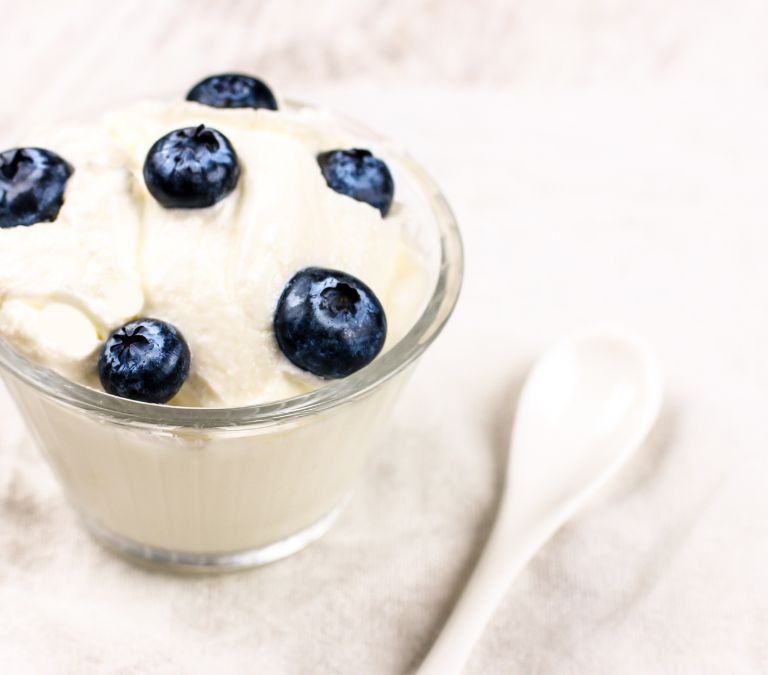 A serving of yogurt every day will give you B12, calcium, vitamin D, and good bacteria.
 You can find all of the B vitamins except folate in ham. Because of this, it has more salt than most other kinds of meat but less fat, calories, and cholesterol.
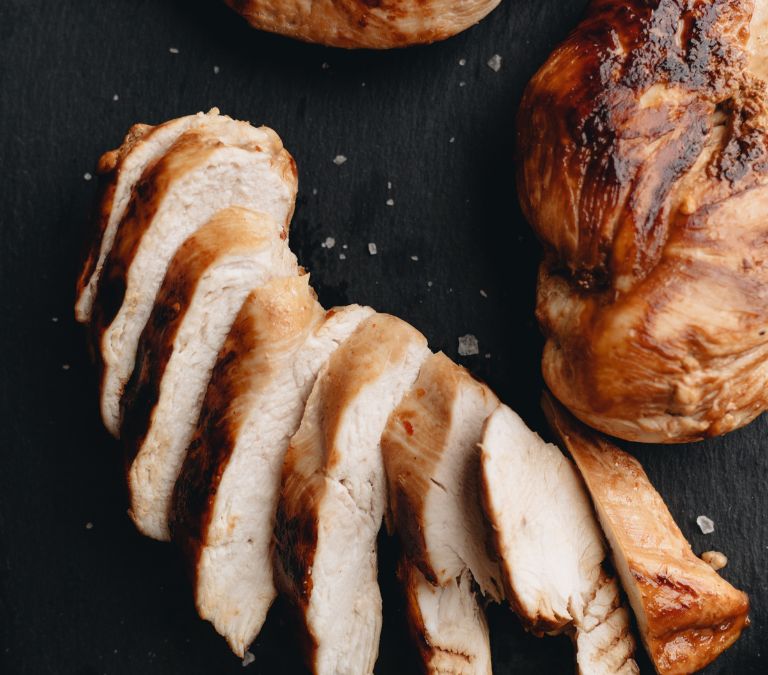 Chicken is easy to get, doesn’t cost too much, and is easy to cook. This food is a good source of niacin and vitamin B12, two B vitamins that can help lower cholesterol.
- It helps develop red blood cells:
- It helps to burn fat
- It is good for the skin
- It is good for your Heart
- It helps manage diabetes
- It could help maintain bone health
- It could help stop macular degeneration.
- Studies show that taking vitamin B12 and antidepressants may help relieve the symptoms of depression.
- It Contributes to the Production of Energy
- It helps you sleep better at night
- It prevents congenital disabilities
- Vitamin B12 may help with depression and improve mood in general.
- Vitamin B12 may help your brain by keeping neurons from dying:
- Helps keep hair, skin, and nails healthy:
Best B12 Foods To Eat During Menopause
Vitamin B12 is important because it helps the body make the nerve and red blood cells and helps the brain work. This vitamin is important, but the body doesn’t make it. We have to get it from food, mostly from animal products, because the body doesn’t make it. Vitamin B 12 is mostly found in meat and dairy products, but vegans still have ways to get enough of it in their diets.- Animals’ kidneys and liver
Organ meat, like liver and kidneys, is very healthy because it has a lot of vitamin B 12. For example, one hundred grams of lamb has 3,571 percent DV for vitamin B12, making it a great choice. Beef has a lot of vitamin B 12, so eating it can help you get enough of this nutrient. One grilled steak has 467 percent of the recommended amount of vitamin B 12.
- Beef
Beef is a good source of many vitamins and minerals, including B vitamins, B2, and B3.
Choose lean cuts and cook them low-fat to get the most nutrition out of your meat. You could grill or roast instead of frying. Because of this, you’ll likely absorb more vitamin B12.
- Tuna
Tuna is often eaten by people trying to eat healthily and get the vitamins and minerals they need on a healthy day.
Tuna is a great source of both Omega 3 and vitamin B12. A 100g serving of cooked tuna has about 453% of the daily value for vitamin B12.
One serving of light tuna in water (165 grams) gives you 115% of the daily value.
- Salmon
Tuna is a great way to get a lot of vitamin B12, but salmon is also a great choice. A half filet of cooked salmon (178g) has 208% of the daily value of vitamin B12 in it.
This fatty fish has a lot of health benefits that are hard to beat. This vitamin is found in salmon, a good source of healthy omega-3 fatty acids. One fried salmon Filet can give you more than 200% of your daily vitamin B12 needs (178 grams).
The same size portion can also have 40 grams of protein and 4,123 milligrams of omega-3 fatty acids.
- Eggs
Eggs are flexible and have protein, vitamins B2 and B12, and vitamin B2.
The egg yolk has more vitamins than the egg whites, making it the most nutritious part of an egg. Studies have also shown that the body can better use the vitamins in egg yolks.
About two large eggs, or 100 grams, can give you 46% of your daily value of vitamin B 12.
Eggs are one of the few foods that contain vitamin D all by themselves. From 2 big eggs, you might get 11% of the recommended daily value.
- Yeast
In the kitchen, You can use nutritional yeast instead of cheese, and as a garnish, it makes many vegan foods taste better and adds to their nutritional value. It’s still not clear how to add nutritional yeast to your diet.
Nutritional yeast is a great source of protein, vitamins, and minerals for vegans because it is often fortified with these things. This way, vitamin B12 is added to nutritional yeast when it wouldn’t be there otherwise.
In just 15g of nutritional yeast, you can find up to 733% of the Daily Value for vitamin B 12.
- Fortified Soy and Almond Milk
Fortified soy and almond milk have up to 86% of the DV for vitamin B12 in just 1 cup, and they taste great, too (240 ml).
- Veggie Cuts
People trying to eat less meat often choose plant-based meats like non-dairy milk. Not all plant-based meat substitutes have the vitamins and minerals you need, so it’s important to do your research before buying one.
- Grain products with extra vitamins and minerals
Cereals made with extra vitamins and minerals, like vitamin B12, might be good for vegetarians and vegans who don’t eat meat.
Choose a cereal with added vitamin B12 that is low in added sugar and high in fiber to help you get the recommended daily amount.
- Clams
Clams are one of the best food sources of vitamin B12, whether they are cooked or eaten raw on the half shell with a splash of lemon juice. They are a great way to get iron, other B vitamins, and a lot of protein.
Clams provide 120% of the daily value for vitamin B12 with up to 99 mcg per 100 grams.
- Shiitake mushrooms
Vitamin B12 is found in shiitake mushrooms, which can help you lose weight. HealthifyMe says that
This nutrient is found in shiitake mushrooms in large amounts. But you’ll need to eat 50–60 grams of dry mushrooms daily to get enough vitamin B12 for the day.
You might find that mixing mushrooms and other vegetarian options like whey powder and paneer helps you reach your goal.
Dried shiitake mushrooms have 5.6 micrograms of vitamin B 12 per 100 grams, which is the most of any food.
- Trout
Trout has a lot of good things for your body. A normal filet may have about one day’s worth of vitamin B12. Trout also has a lot of protein, other B vitamins, and minerals.
In a 3.5-ounce (100-gram) piece of trout, there is 7.5 mcg of vitamin B 12, 312% of the DV.
- Yogurt
A serving of yogurt every day will give you B12, calcium, vitamin D, and good bacteria.
- Ham
You can find all of the B vitamins except folate in ham. Because of this, it has more salt than most other kinds of meat but less fat, calories, and cholesterol.
- Chicken Breasts
Chicken is easy to get, doesn’t cost too much, and is easy to cook. This food is a good source of niacin and vitamin B12, two B vitamins that can help lower cholesterol.
The role of vitamin B12 In Your Body
Vitamin B12 is one of the most important B vitamins. It helps keep your nerve cells, brain, and blood in good shape. Vitamin B 12 is also called cobalamin. Vitamin insufficiency happens when the body doesn’t have enough of this nutrient. So, not getting enough vitamin B12 could lead to neurological problems you can’t fix. Vitamin B12 dissolves well in water like all other B vitamins. Since it dissolves in water, the body can take it in. Because of this, the body stores enough vitamin B12 for a person to last for four years. The body then gets rid of any leftover B12 through urine. Vitamin B12 is the biggest and most complicated vitamin in size and shape. It comes from some animal products, the only place outside a lab where you can find it.Consumption Of Vitamin B12
Cobalamin, often known as vitamin B 12, is a water-soluble vitamin essential for healthy brain and nerve function and DNA synthesis. If you have malabsorption issues, you must get your vitamin B12 from outside sources, as your body cannot produce it. Meat, eggs, poultry, and dairy products are all good sources of vitamin B12. Foods like morning cereals and nutritional yeast fortified with vitamin B 12 are good options for vegans and vegetarians. However, vitamin B12 deficiency is rising, especially in the elderly, since individuals aren’t getting the RDAs they need from their diets. Over 3% of persons over 50 have extremely low vitamin B 12 levels, and up to 20% have borderline insufficiency, according to the National Health and Nutrition Examination Survey.Vitamin B12 Deficiency And The Development Of Menopausal Symptoms
-
Deficits in vitamin B12 have been linked to cognitive decline and memory loss in women experiencing perimenopause and postmenopause, according to several studies.
-
Low B12 levels are associated with low bone mineral density (BMD), which may develop into osteoporosis if not addressed promptly.
-
Insufficient vitamin B12 can also show up in other ways, such as:
-
Having tingling or numbness in the limbs
-
Fatigue/Weakness
-
Anemia
-
Problems with moving.
- There is a lot of speculation that not getting enough vitamin B 12 may cause hot flashes.