
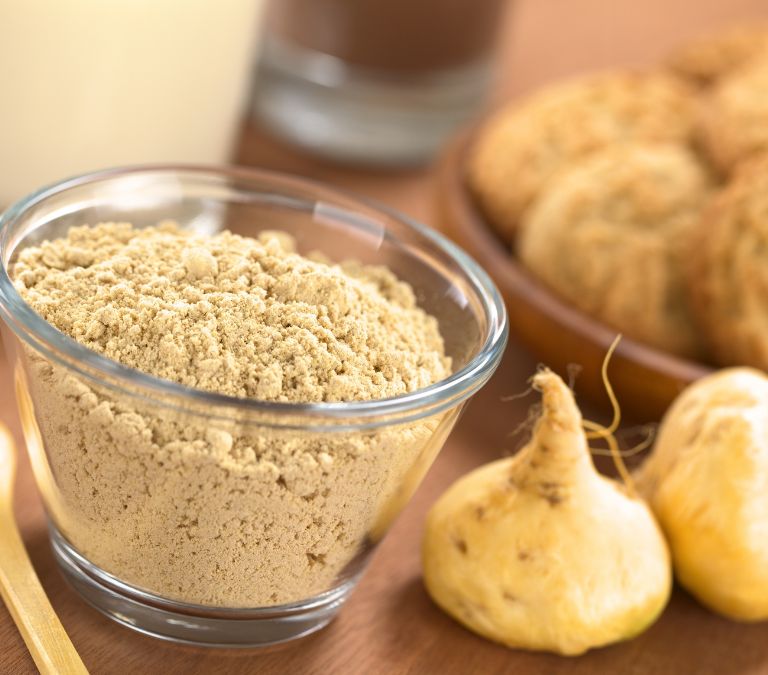
Maca herb is a natural supplement rich in nutrients that can help manage the various symptoms associated with menopause.
Everybody wants to live a balanced life, yet even the most composed and careful ones can become unbalanced during menopause.
Menopause begins as a result of hormonal changes that startle the body as a whole. Hot flashes, mood swings, sleep issues, night sweats, changes in libido, dry skin with itching, weight gain, wrinkles, and hair loss are just a few symptoms that women who go through the menopausal phase may experience.
These symptoms not only have the potential to interfere with their social and professional lives but also to negatively impact their mental health. Due to this, menopause supplementation is crucial, and Maca is a natural savior in this fight.
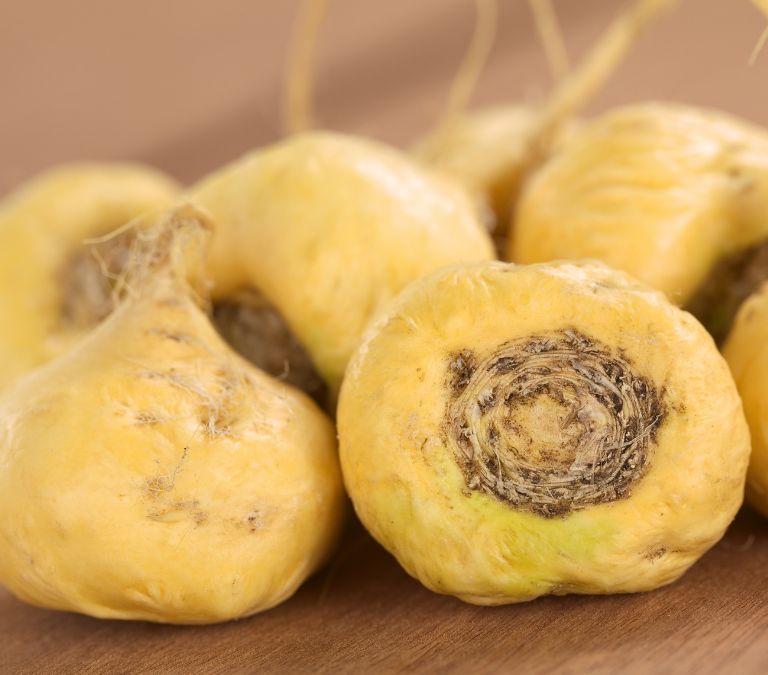 Lepidium meyenii, also referred to as Maca, Peruvian Ginseng, Lepidium peruvianum, Ginseng Andin, is a native South American herbaceous biennial plant of the Brassicaceae family that grows in Peru’s high Andes mountains. Maca has a butterscotch-like aroma.
In general, the Maca’s growth pattern, size, and proportions mirror those of turnips and radishes, a close relative, but it also resembles a parsnip. The brief, aromatic green tops are on the ground and are green in color. The rosette of tiny, frilly leaves emerges at the soil’s surface, never rising above 12–20 cm (4.7–7.9 in).
In the late 1980s, it was only discovered in the Meseta de Bombón plateau nearby Lake Junin. Many people, especially the Peruvian cultures, have used the Maca plant for thousands of years as food and medicine.
It is grown for its succulent hypocotyl, joined to a taproot that is usually dried but can also be prepared fresh as a root vegetable. If dried, it could go through additional processing to become flour for baking or a dietary supplement.
Many farmers grow it as a cash crop, mainly exported as a powder, which can either be uncooked or further processed by the dietary supplement industry, such as gelatinized or turned into an extract.
The Andes Mountains’ high plateaus are home to the Maca plant. Since 3000 BC, Maca has been grown as a vegetable. Although the root is also used to manufacture medicine, there is a lack of trustworthy information about Maca to determine how it might function.
Lepidium meyenii, also referred to as Maca, Peruvian Ginseng, Lepidium peruvianum, Ginseng Andin, is a native South American herbaceous biennial plant of the Brassicaceae family that grows in Peru’s high Andes mountains. Maca has a butterscotch-like aroma.
In general, the Maca’s growth pattern, size, and proportions mirror those of turnips and radishes, a close relative, but it also resembles a parsnip. The brief, aromatic green tops are on the ground and are green in color. The rosette of tiny, frilly leaves emerges at the soil’s surface, never rising above 12–20 cm (4.7–7.9 in).
In the late 1980s, it was only discovered in the Meseta de Bombón plateau nearby Lake Junin. Many people, especially the Peruvian cultures, have used the Maca plant for thousands of years as food and medicine.
It is grown for its succulent hypocotyl, joined to a taproot that is usually dried but can also be prepared fresh as a root vegetable. If dried, it could go through additional processing to become flour for baking or a dietary supplement.
Many farmers grow it as a cash crop, mainly exported as a powder, which can either be uncooked or further processed by the dietary supplement industry, such as gelatinized or turned into an extract.
The Andes Mountains’ high plateaus are home to the Maca plant. Since 3000 BC, Maca has been grown as a vegetable. Although the root is also used to manufacture medicine, there is a lack of trustworthy information about Maca to determine how it might function.
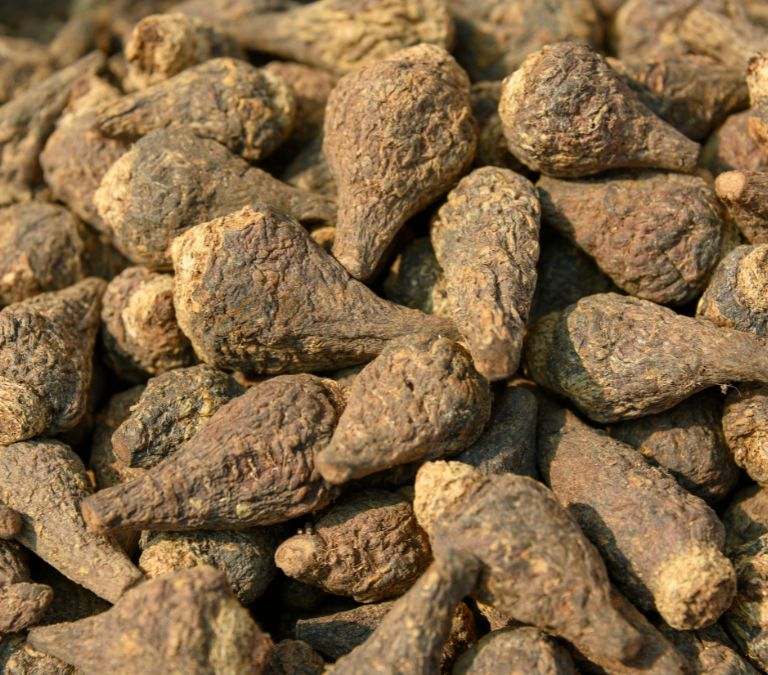 With time, menstruating women will experience menopause. Menopause is a period in life when the monthly menstrual cycle stops permanently due to the reduction in the production of the estrogen hormone, which plays a pivotal role in this cycle.
The menopausal symptoms mentioned above, such as hot flashes, dry vagina, mood disorders, difficulty sleeping, erratic periods, low sex drive, irritability, etc., are unpleasant and can be brought on by the normal fall in estrogen that takes place throughout this time. These symptoms can be downright frustrating.
The conventional or usual treatment for these symptoms is hormone replacement therapy (HRT) which includes: Conjugated estrogen and progesterone drugs like Premarin and Prempro, or bioidentical estrogen or progesterone cream, pills, pellets, or patches.
There are, however, risks associated with any hormone replacement therapy (HRT). These risks are increased if you have a family history of breast or ovarian cancer or are post-menopausal.
The good news is that Maca may help menopausal women by reducing symptoms such as hot flashes and restless nights, hair loss, and more.
In the USA, a handful of healthcare professionals have incorporated various herbal therapies into their clinical practices and are knowledgeable about the functional benefits of Maca as an available complement to prescription medications and the effective relief of menopausal symptoms.
Menopausal women may be advised to work with medical professionals who can place orders for tests and determine baseline hormone levels before beginning Maca therapy. Afterward, they will conduct hormone tests to determine whether the patient’s dose is sufficient and most appropriate for their physiological status.
Maca helps women move through menopause safely and pleasantly since it effectively balances hormone production.
With time, menstruating women will experience menopause. Menopause is a period in life when the monthly menstrual cycle stops permanently due to the reduction in the production of the estrogen hormone, which plays a pivotal role in this cycle.
The menopausal symptoms mentioned above, such as hot flashes, dry vagina, mood disorders, difficulty sleeping, erratic periods, low sex drive, irritability, etc., are unpleasant and can be brought on by the normal fall in estrogen that takes place throughout this time. These symptoms can be downright frustrating.
The conventional or usual treatment for these symptoms is hormone replacement therapy (HRT) which includes: Conjugated estrogen and progesterone drugs like Premarin and Prempro, or bioidentical estrogen or progesterone cream, pills, pellets, or patches.
There are, however, risks associated with any hormone replacement therapy (HRT). These risks are increased if you have a family history of breast or ovarian cancer or are post-menopausal.
The good news is that Maca may help menopausal women by reducing symptoms such as hot flashes and restless nights, hair loss, and more.
In the USA, a handful of healthcare professionals have incorporated various herbal therapies into their clinical practices and are knowledgeable about the functional benefits of Maca as an available complement to prescription medications and the effective relief of menopausal symptoms.
Menopausal women may be advised to work with medical professionals who can place orders for tests and determine baseline hormone levels before beginning Maca therapy. Afterward, they will conduct hormone tests to determine whether the patient’s dose is sufficient and most appropriate for their physiological status.
Maca helps women move through menopause safely and pleasantly since it effectively balances hormone production.
The Maca Plant
Lepidium meyenii, also referred to as Maca, Peruvian Ginseng, Lepidium peruvianum, Ginseng Andin, is a native South American herbaceous biennial plant of the Brassicaceae family that grows in Peru’s high Andes mountains. Maca has a butterscotch-like aroma.
In general, the Maca’s growth pattern, size, and proportions mirror those of turnips and radishes, a close relative, but it also resembles a parsnip. The brief, aromatic green tops are on the ground and are green in color. The rosette of tiny, frilly leaves emerges at the soil’s surface, never rising above 12–20 cm (4.7–7.9 in).
In the late 1980s, it was only discovered in the Meseta de Bombón plateau nearby Lake Junin. Many people, especially the Peruvian cultures, have used the Maca plant for thousands of years as food and medicine.
It is grown for its succulent hypocotyl, joined to a taproot that is usually dried but can also be prepared fresh as a root vegetable. If dried, it could go through additional processing to become flour for baking or a dietary supplement.
Many farmers grow it as a cash crop, mainly exported as a powder, which can either be uncooked or further processed by the dietary supplement industry, such as gelatinized or turned into an extract.
The Andes Mountains’ high plateaus are home to the Maca plant. Since 3000 BC, Maca has been grown as a vegetable. Although the root is also used to manufacture medicine, there is a lack of trustworthy information about Maca to determine how it might function.
The Medicinal Value of Maca
Maca has long been used successfully by Peruvian natives to treat menopausal symptoms such as hot flashes, vaginal dryness, loss of libido, depression, hormonal imbalances, irregular menstrual cycle, and infertility issues. A few case studies in laboratory animals have revealed that Maca can be therapeutic for premenstrual syndrome (PMS), and there have been signs that it may help with menopausal symptoms as well. Thus far, studies have pointed to the possibility that Maca’s activity depends on plant sterols, which serve as chemical catalysts to encourage the body to generate more hormones appropriate for the age and gender of persons taking it.Active Components of Maca
Because Maca root powder is an adaptogen, it helps the entire endocrine system create the necessary amount of hormone. Maca is a significant source of fiber, nutrients, and bioactive compounds like macamides that can support a balanced diet. These nutrients include niacin, thiamine, riboflavin, zinc, manganese, copper, and iron.The Maca Root
The plant’s most widely utilized component, Maca root, has fiber, amino acids, vitamins, and minerals. It also contains bioactive substances such as alkaloids, glucosinolates, macamides, and macaridine, which are assumed to be the source of mass therapeutic properties. This herb is a great idea, especially during critical times when its properties can be most helpful. If you would rather manage menopause symptoms naturally, without using medications, all hope is not lost as Maca may be able to provide the much-needed help.Safety
For Maca, no pharmacokinetic information has been released. The presence of (1R, 3S)-1-methyl-1,2,3,4-tetrahydro-carboline-3-carboxylic acid (MTCA) in Maca extracts raises concern for safety due to its potential as a mutagen and monoamine oxidase inhibitor. The French Agency for Sanitary Security warned consumers about the potential health risks of powdered Maca root due to these inherent mutagenic characteristics of MTCA. However, the mutagenic components were disputed on the ground that boiling Maca roots would render MTCA inactive. MTCA-like substances are connected to the behavior of desire.Maca’s Mode of Function
Maca does not directly impact human hormones. According to numerous studies, the herb doesn’t even contain plant estrogens or hormones. Instead, it has hormonally balancing effects, which the root’s special nutritional composition may bring. It contains adaptogenic properties, which means it aids in adjusting the body’s reaction to different situations as necessary. The plant supplies the body’s endocrine system with the right amount of nutrients. This activity controls metabolism, energy levels, growth, sexual development, mood, and attitude.Maca and Menopausal Women
With time, menstruating women will experience menopause. Menopause is a period in life when the monthly menstrual cycle stops permanently due to the reduction in the production of the estrogen hormone, which plays a pivotal role in this cycle.
The menopausal symptoms mentioned above, such as hot flashes, dry vagina, mood disorders, difficulty sleeping, erratic periods, low sex drive, irritability, etc., are unpleasant and can be brought on by the normal fall in estrogen that takes place throughout this time. These symptoms can be downright frustrating.
The conventional or usual treatment for these symptoms is hormone replacement therapy (HRT) which includes: Conjugated estrogen and progesterone drugs like Premarin and Prempro, or bioidentical estrogen or progesterone cream, pills, pellets, or patches.
There are, however, risks associated with any hormone replacement therapy (HRT). These risks are increased if you have a family history of breast or ovarian cancer or are post-menopausal.
The good news is that Maca may help menopausal women by reducing symptoms such as hot flashes and restless nights, hair loss, and more.
In the USA, a handful of healthcare professionals have incorporated various herbal therapies into their clinical practices and are knowledgeable about the functional benefits of Maca as an available complement to prescription medications and the effective relief of menopausal symptoms.
Menopausal women may be advised to work with medical professionals who can place orders for tests and determine baseline hormone levels before beginning Maca therapy. Afterward, they will conduct hormone tests to determine whether the patient’s dose is sufficient and most appropriate for their physiological status.
Maca helps women move through menopause safely and pleasantly since it effectively balances hormone production.
How Maca Benefits Menopausal Women
-
Minimizing Hot Flashes: Maca contains nutrients called glucosinolates, which help the body synthesize a balanced level of hormone. When taking the powder, the body produces more estrogen, which helps treat hot flashes. For Maca to work effectively during menopause, follow the advice given below:
-
Make sure you take the recommended dosage: A 150-pound person should take 6 to 12 grams (2-4 teaspoons) of Maca powder daily for menopausal or post-menopausal use.
-
Be sure to take Maca regularly: Consistency is essential, especially when you first start using it and intend to get the most benefit.
-
Be patient: Most people start to see improvements from taking Maca in around two to three weeks. For some people, it can take up to 6 weeks.
-
Hair growth: Maca has a lot of potential, many of which have to do with our hair. It has been demonstrated that when applied topically in scalp and hair products, maca root stimulates the scalp, increasing the amount of nutrition that reaches hair follicles.
-
Protein: The main component of hair is keratin, a strong protein. Your body needs amino acids, which it can only get from the protein in your diet, to make keratin. Maca powder is a fantastic source of plant-based protein to promote healthy hair development because it contains about 10% protein.
-
Calcium: Calcium, a mineral found in Maca, is necessary for numerous body functions, including creating strong, healthy hair. You can tell if your body is deficient in calcium by how healthy your hair is. However, increasing your calcium intake might not be sufficient to make up for low calcium levels because your body needs the assistance of magnesium and other minerals to absorb calcium properly. The good news is that maca root is a top-notch magnesium source.
-
Vitamin B complex: vitamin B complex is essential for healthy hair, according to research, and they are frequently added to dietary supplements meant to promote hair growth and stop hair loss. Numerous B vitamins, such as thiamin (vitamin B1), niacin (vitamin B3), and riboflavin (vitamin B2), are present in maca root.
-
Sleeplessness: The menopause reduction of estrogen causes menopausal symptoms, including hot flashes and sweats (vasomotor symptoms), anxiety, and depression. Depression interferes with falling asleep and makes it hard to fall asleep, which results in early morning awakenings.
- Anxiety and depression: Anxiety or depression may result from the fluctuation of the hormones progesterone and estrogen in the body. One typical menopausal symptom is anxiety. Anxiety may be brought on at this time by hormonal changes, daily worries, and sleep issues.
- Bone loss: Women’s concerns about bone loss during the menopause and post-menopausal periods are significant. Osteoporosis, a medical disorder that makes bones more prone to fracture and injury – risk rises, and bone loss is greatly accelerated during menopause.
- It has anti-osteoporosis properties: The biologically active component of Maca, N-benzyl-palmitate, has shown anti-osteoporosis action.
- It strengthens the bone: Maca helps treat osteoporosis by acting as a calcium-rich food source and controlling the body’s estrogen levels.
- Regulates blood sugar: The blood sugar level may fluctuate after menopause due to changes in hormone levels. Your blood sugar level may alter more frequently than usual and fluctuate.
- Helps in Weight Loss: Many women add more weight during menopause, especially in the abdominal area. Low estrogen levels, age-related muscle loss, and lifestyle elements, including diet and inactivity, contribute to weight increase during menopause.
- Cardiovascular Diseases: Your chance of having heart and circulation disease may be further increased by low estrogen, which can raise cholesterol levels. Due to the altered hormone levels during menopause, palpitations (a sense that your heart is beating quicker than usual) might occur.
- Improves sex drive: Women’s sex drives can suffer throughout menopause. Many menopausal or perimenopausal women suddenly lose interest in sex after spending their entire lives engaging in healthy sexual activity.
- Reduces Wrinkles: Skin changes are quite typical during menopause. Your skin may feel thin and dry before and throughout this period, or you may start to detect more wrinkles.