


































































































































































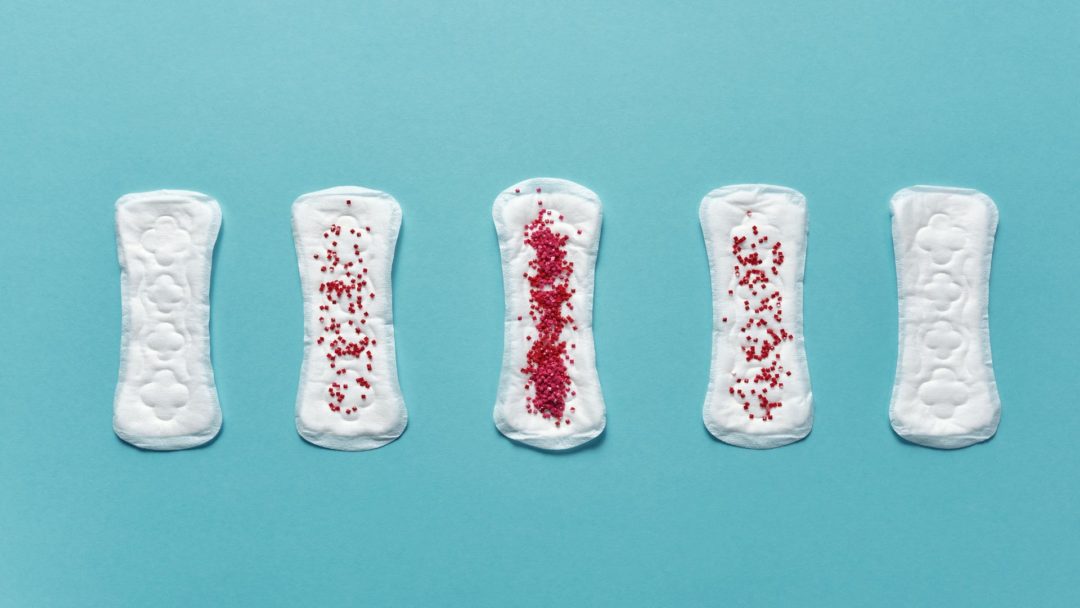







Urinary incontinence affects 47.6% of American women but only 17% seek treatment. The condition stems from pelvic floor weakness, not inevitable aging. Emsella uses HIFEM technology to deliver 11,000 muscle contractions per session, rebuilding pelvic floor strength without surgery or downtime. Clinical studies show 95% of women report improved quality of life after treatment.
Urinary incontinence is treatable through:
- High-Intensity Focused Electromagnetic (HIFEM) technology that strengthens pelvic floor muscles
- Six 28-minute sessions over three weeks with no recovery time
- 53-60% improvement in symptoms documented in clinical trials
- 95% of patients report better quality of life after treatment
- Works for both stress and urge incontinence in women and men
What Is Urinary Incontinence?
Dr. Corina Ianculovici, DNP, FAAMFM, ABAAM-HP, AGNP, a doctorally educated Adult-Gerontology Nurse Practitioner with board certifications in longevity medicine and hormone optimization from the American Academy of Anti-Aging Medicine, observes a concerning pattern at Mirelle Institute for Anti-Aging Medicine.
Women arrive having already restructured their lives around bladder leakage. They’ve mapped every restroom in town, wear pads daily, and skip exercise classes. They avoid trampolines with grandchildren and decline social invitations because they worry about accidents.
The condition affecting them is urinary incontinence. It impacts approximately 47.6% of American women, nearly 80 million people.
Yet only 17% seek medical help. The rest silently accept bladder leakage as inevitable.
Key Point: Despite affecting nearly half of American women, urinary incontinence remains vastly undertreated due to embarrassment and the false belief that bladder leakage is normal aging.
Why Common Doesn’t Mean Normal
Dr. Ianculovici, founder of Mirelle Institute for Anti-Aging Medicine and The Women’s Health & Longevity Foundation, specializes in functional and metabolic medicine, bringing over 15 years of clinical excellence to women’s health and longevity medicine. She emphasizes a critical distinction most patients miss.
Urinary incontinence is extremely common. But common doesn’t mean normal.
The normalization concerns her most. When women stop doing activities they love because they fear leakage, that’s not a minor inconvenience. That’s a health issue deserving medical attention.
The belief that bladder leakage is simply part of aging, childbirth, or menopause drives much of this acceptance. While these factors contribute to pelvic floor changes, they don’t make urinary leakage inevitable or untreatable.
Research shows that quality of life drops significantly when incontinence goes unaddressed. The median quality of life score falls from 82 for people without incontinence to 67 for those living with the condition.
The consequences extend beyond physical symptoms:
- Loss of self-confidence and social isolation
- Anxiety and depression
- Deterioration of sexual intimacy
- Decreased physical activity
Key Point: Accepting urinary incontinence as normal aging leads to significant quality of life decline, affecting mental health, relationships, and physical well-being.
How Pelvic Floor Dysfunction Causes Incontinence
At its core, urinary incontinence is a pelvic floor problem.
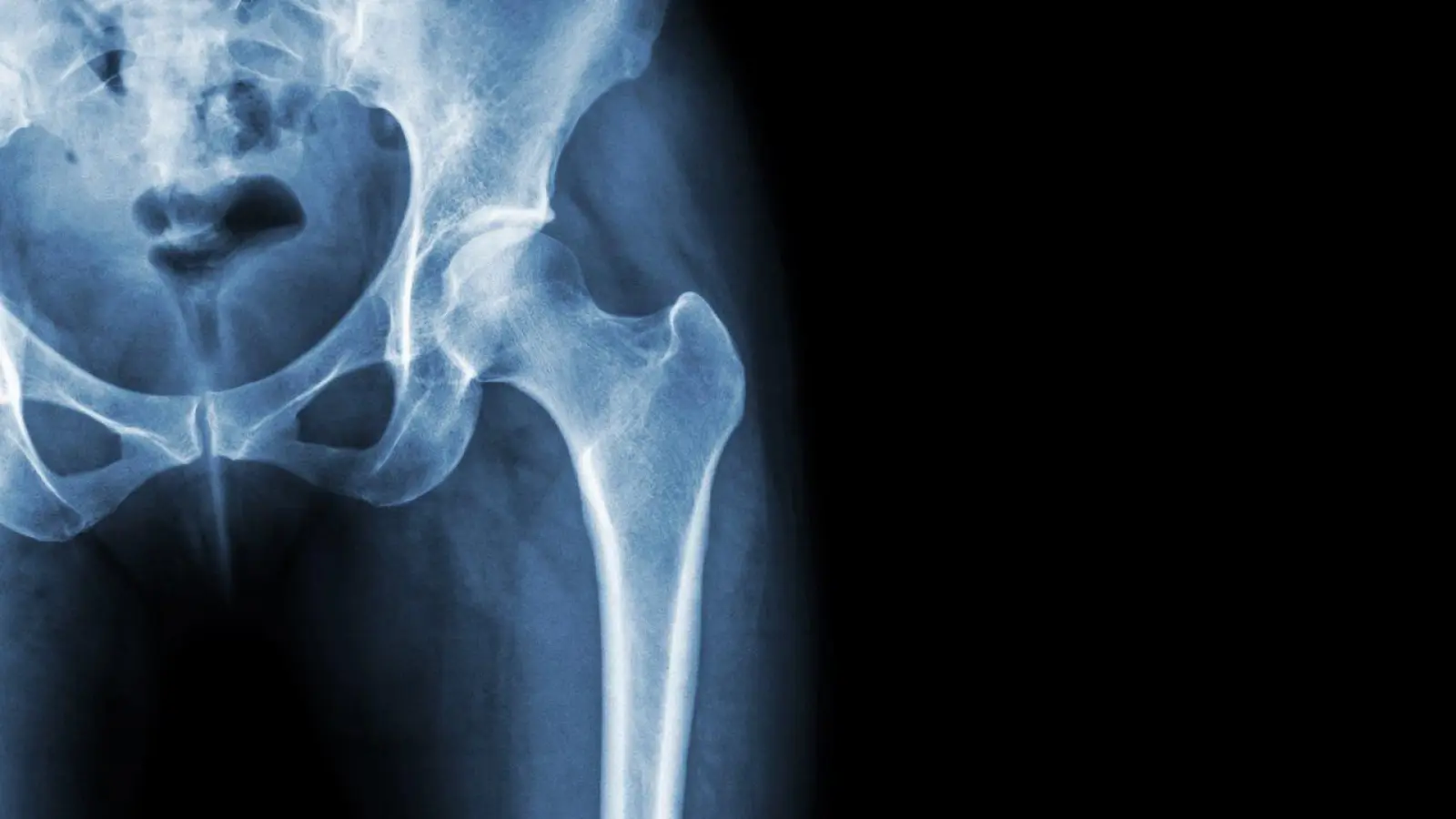
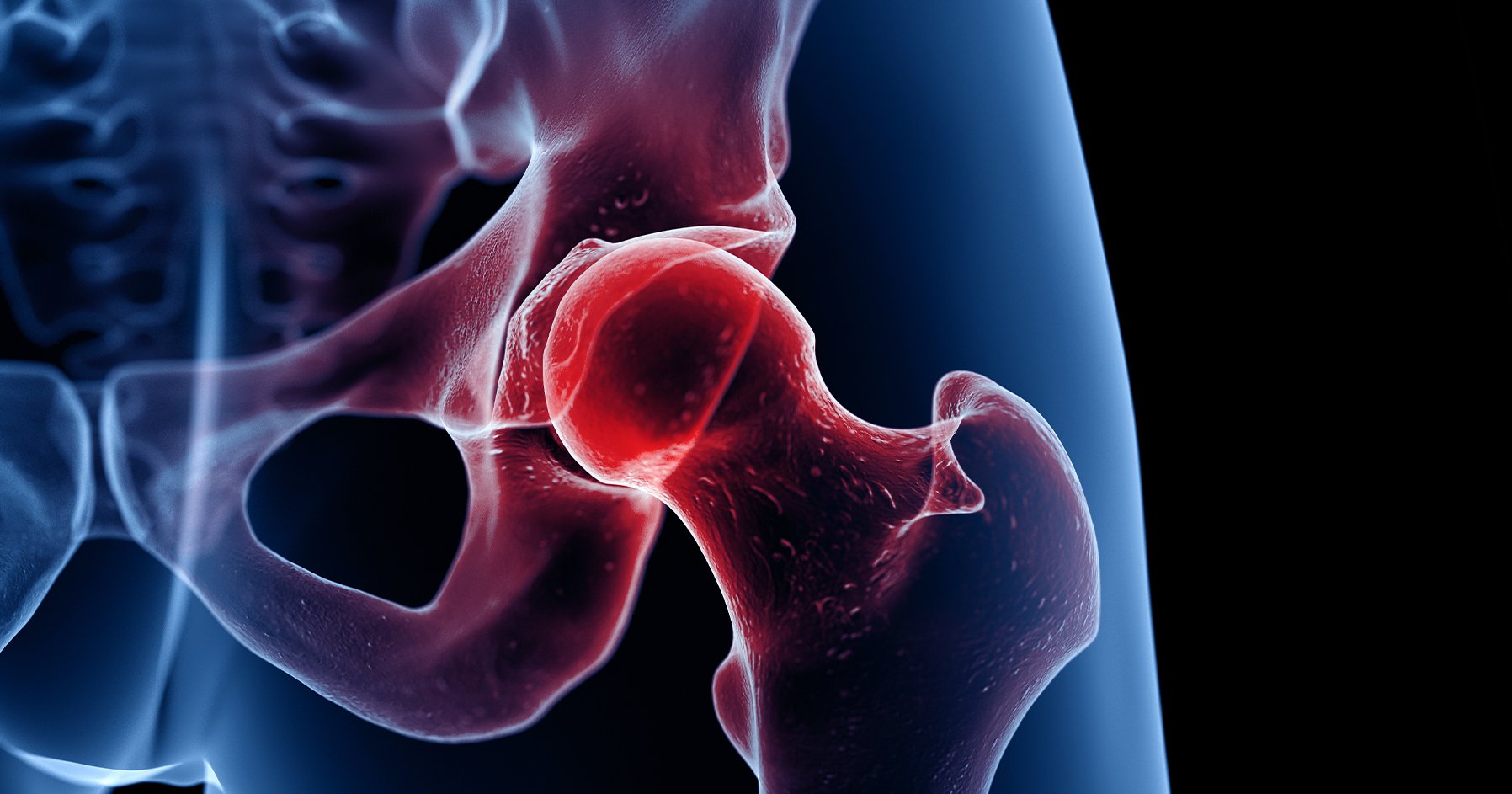
The pelvic floor consists of muscles, ligaments, and connective tissues supporting the bladder, uterus, and bowel. These structures work together to maintain continence, provide organ support, and enable proper function.
When the pelvic floor weakens, bladder control suffers.
Factors Contributing to Pelvic Floor Weakness:
Childbirth stretches and sometimes tears pelvic floor muscles and connective tissue. The trauma of vaginal delivery, particularly with larger babies or prolonged labor, creates lasting changes in muscle tone and nerve function.
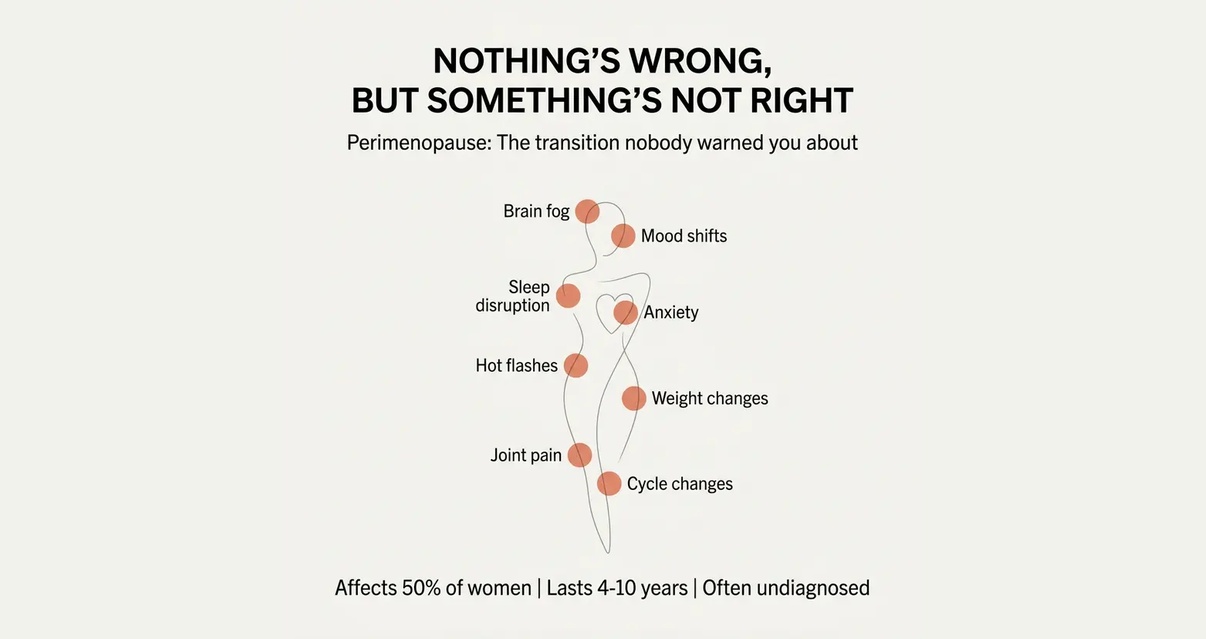
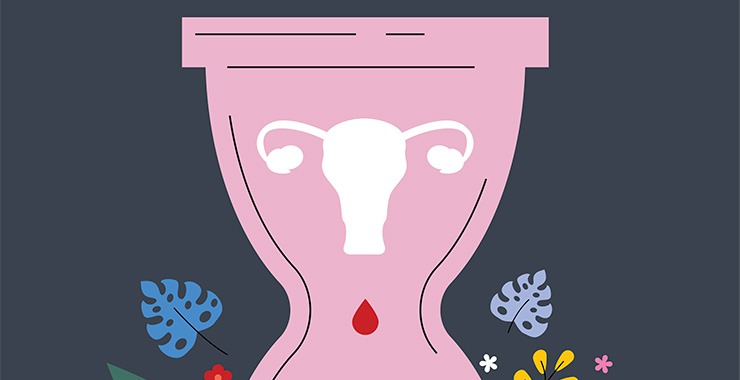
Hormonal decline during perimenopause and menopause reduces estrogen levels, which directly affects tissue elasticity and muscle strength throughout the pelvic region. Tissues become thinner, less flexible, and less capable of maintaining their supportive role.
Natural aging brings gradual muscle atrophy and decreased nerve responsiveness. The same processes affecting muscle strength in arms and legs also affect the pelvic floor, though these changes often go unrecognized because they’re internal.
Chronic strain from obesity, chronic coughing, heavy lifting, or high-impact activities progressively weakens pelvic floor structures over years or decades.
Types of Incontinence:
- Stress incontinence: Leakage during coughing, sneezing, laughing, or exercise
- Urge incontinence: Sudden, intense needs to urinate
- Mixed incontinence: Combination of both patterns
Dr. Ianculovici approaches these symptoms not as isolated problems but as manifestations of underlying structural weakness requiring comprehensive evaluation and targeted intervention.
Key Point: Urinary incontinence results from measurable pelvic floor muscle weakness caused by childbirth, hormonal changes, aging, and chronic strain, not from inevitable decline.
Why Women Wait Years Before Seeking Help
The data reveals a troubling gap between prevalence and treatment.
While nearly half of American women experience urinary incontinence, research shows that 46% suffer for one to five years before seeking help. Another 42% wait more than five years.
The reasons are complex but consistent:
Embarrassment keeps women from discussing bladder issues with healthcare providers. Despite living in an era of unprecedented medical transparency, pelvic health remains shrouded in discomfort and silence.
Misconception leads women to believe nothing works. If incontinence is part of aging, why mention the condition?
Normalization occurs when friends, family members, and media messages reinforce the idea that leakage is what happens after childbirth or menopause. Products marketed as solutions, pads and protective underwear, inadvertently suggest management rather than treatment.
Lack of awareness about effective treatment options means women don’t realize non-invasive, evidence-based interventions exist.
Dr. Ianculovici sees relief on patients’ faces when they learn they’re not alone, they’re not imagining their symptoms, and most importantly, they don’t have to accept bladder leakage.
Key Point: Embarrassment, misconceptions about treatment, and cultural normalization cause nearly half of women to wait over five years before seeking medical intervention for urinary incontinence.
How Emsella Works: HIFEM Technology Explained
Mirelle Institute for Anti-Aging Medicine addresses urinary incontinence using Emsella, a chair-based treatment employing High-Intensity Focused Electromagnetic (HIFEM) technology to rebuild pelvic floor strength.
The approach is straightforward in concept but sophisticated in execution.
The Treatment Process:
Patients sit fully clothed in a specialized chair generating focused electromagnetic energy. This energy penetrates deep into pelvic floor tissues and triggers thousands of supramaximal muscle contractions during a single 28-minute session.
These aren’t ordinary contractions. Supramaximal contractions achieve intensity levels impossible to replicate through voluntary exercise. A single Emsella session delivers approximately 11,000 pelvic floor contractions, far exceeding what patients accomplish through Kegel exercises alone.
The repeated contractions stimulate muscle remodeling and strengthening at a cellular level. Muscle fibers rebuild, nerve pathways reinforce, and the entire pelvic floor architecture regains functional capacity.
Clinical Evidence:
In a published study involving 75 women with urinary incontinence, patients showed improvements of 53.1% after six Emsella treatments. At one-month follow-up, improvement increased to 60.6%.
The quality of life data is equally compelling. 95% of women reported improvement in quality of life after treatment completion. Additionally, 67% decreased or eliminated their use of incontinence pads.
Treatment Protocol:
- Six sessions over three weeks
- Each session lasts 28 minutes
- No needles, surgery, anesthesia, or recovery time
- Patients return to normal activities immediately
Key Point: Emsella delivers 11,000 supramaximal pelvic floor contractions per session, producing 53-60% symptom improvement and 95% quality of life improvement without surgery or downtime.
The Longevity Medicine Approach to Pelvic Floor Health
Dr. Ianculovici views urinary incontinence through the lens of longevity medicine, where the goal extends beyond symptom management to functional restoration and quality of life optimization.
Pelvic floor health is not separate from overall health. The condition intersects with metabolic balance, hormonal signaling, tissue health, and physical capability.
When women avoid exercise because of incontinence fears, their cardiovascular health suffers. When they experience social isolation due to embarrassment, their mental health declines. When they lose confidence in their bodies, their sense of agency diminishes.
Addressing urinary incontinence is foundational healthcare, not cosmetic intervention.
The National Institutes of Health reports that 25% of all women will develop a pelvic floor disorder during their lifetime. Despite this prevalence, pelvic floor disorders remain vastly undertreated.
Dr. Ianculovici believes this represents a significant gap in women’s healthcare, one that longevity medicine is uniquely positioned to address.
Her approach centers on comprehensive assessment, precision intervention, and long-term outcomes. She evaluates not only the presence of symptoms but their underlying causes, contributing factors, and broader health implications.
Treatment plans integrate pelvic floor strengthening with hormonal optimization, metabolic support, and lifestyle modification when appropriate.
Key Point: Longevity medicine treats urinary incontinence as interconnected with metabolic, hormonal, and tissue health rather than an isolated symptom requiring mere management.
What You Should Know About Treatment
If you experience bladder leakage, understand several key points:
First: Urinary incontinence is not a personal failure. The condition reflects structural changes in pelvic floor function resulting from identifiable physiological factors.
Second: The condition is treatable. Effective, non-invasive options exist that restore function and improve quality of life.
Third: Waiting doesn’t help. The longer pelvic floor dysfunction persists, the more adaptation occurs, both physiologically and behaviorally. Early intervention typically yields better outcomes.
Fourth: You deserve the same thoughtful evaluation and care for pelvic floor issues as you would receive for cardiovascular concerns, metabolic imbalances, or hormonal dysfunction.
Dr. Ianculovici emphasizes that the first step toward treatment is recognizing that urinary leakage is not something to quietly tolerate. The condition is a medical issue deserving clinical attention.
Key Point: Early intervention for urinary incontinence yields better outcomes because prolonged dysfunction leads to physiological and behavioral adaptation.
Treatment at Mirelle Institute for Anti-Aging Medicine
At Mirelle Institute for Anti-Aging Medicine in Manasquan, New Jersey, Dr. Ianculovici and her team serve patients throughout Monmouth County and the Jersey Shore communities of Wall Township, Brielle, Spring Lake, and Sea Girt.
The practice, founded in 2010 and established in its current form in 2011, specializes in longevity medicine, regenerative therapies, and women’s health, with pelvic floor restoration representing a core clinical focus.
Dr. Ianculovici brings board certifications in longevity medicine and hormone optimization from the American Academy of Anti-Aging Medicine, along with post-doctoral fellowship training in anti-aging, functional and metabolic medicine. She earned her Doctorate of Nursing Practice from Monmouth University and serves as Faculty of the Cellular Medicine Association. Her approach combines clinical precision with deep attentiveness to how symptoms affect daily life.
Patients describe her as thorough, compassionate, and committed to finding solutions rather than managing symptoms. Reviews consistently note that she spends over an hour with patients during initial consultations, treating the whole person rather than isolated symptoms.
The message she wants women to understand is straightforward.
You don’t have to live with urinary incontinence.
The condition is common, but not normal. The condition is treatable, and treatment restores the freedom, confidence, and quality of life that bladder leakage has taken away.
Pelvic floor health deserves the same priority as any other aspect of wellness. When you address the condition with evidence-based interventions like Emsella, you’re not indulging in cosmetic care or chasing perfection.
You’re reclaiming function that should never have been surrendered in the first place.
The conversation about urinary incontinence needs to move out of the shadows. The discussion belongs in clinical settings where expertise, technology, and compassionate care converge to deliver measurable solutions.
That’s where healing happens.
Frequently Asked Questions
How long does Emsella treatment take to show results?
Most patients notice improvement after the third or fourth session. Clinical studies show 53.1% improvement after completing all six treatments, with continued improvement to 60.6% at one-month follow-up.
Is Emsella treatment painful?
No. Patients sit fully clothed during the 28-minute session. The electromagnetic stimulation creates a tingling sensation and muscle contraction but causes no pain. No anesthesia or recovery time is needed.
Does insurance cover Emsella for urinary incontinence?
Coverage varies by insurance provider and plan. Mirelle Institute for Anti-Aging Medicine provides documentation for patients to submit for potential reimbursement. Many patients find the treatment cost-effective compared to years of pads, medications, or eventual surgery.
Who shouldn’t use Emsella?
Emsella is contraindicated for patients with metal implants in the pelvic area, pacemakers, pregnancy, or certain medical conditions. Dr. Ianculovici conducts comprehensive assessment to determine candidacy during consultation.
How long do Emsella results last?
Results vary by individual, but studies show sustained improvement months after treatment completion. Dr. Ianculovici develops maintenance protocols based on individual response, underlying factors, and treatment goals.
Will Kegel exercises work as well as Emsella?
Kegel exercises strengthen pelvic floor muscles when performed correctly and consistently. A single Emsella session delivers 11,000 contractions, equivalent to months of daily Kegel exercises. Many women struggle with proper Kegel technique or consistency, making Emsella more effective for significant weakness.
Does Emsella work for men with incontinence?
Yes. Clinical research shows men with post-prostatectomy incontinence experience 53-60% improvement in symptoms. Dr. Ianculovici treats male patients with the same evidence-driven protocols used for women.
What should I expect during my first consultation?
Dr. Ianculovici conducts comprehensive evaluation including medical history, symptom assessment, contributing factors, and broader health context. Patients report that she spends over an hour during initial consultations. She explains the physiological basis of your incontinence, discusses treatment options, and develops a personalized protocol integrating pelvic floor strengthening with hormonal, metabolic, or lifestyle interventions when appropriate.
Key Takeaways
- Urinary incontinence affects 47.6% of American women but only 17% seek treatment due to embarrassment and false belief that bladder leakage is normal aging.
- The condition stems from pelvic floor muscle weakness caused by childbirth, hormonal decline, aging, and chronic strain, not inevitable decline.
- Emsella uses HIFEM technology to deliver 11,000 supramaximal pelvic floor contractions per 28-minute session, impossible to replicate through voluntary exercise.
- Clinical studies document 53-60% symptom improvement and 95% quality of life improvement after six sessions over three weeks with no surgery or downtime.
- Early intervention yields better outcomes because prolonged pelvic floor dysfunction leads to physiological and behavioral adaptation.
- Longevity medicine approaches urinary incontinence as interconnected with metabolic, hormonal, and tissue health rather than an isolated symptom.
- Treatment works for both women and men, including post-prostatectomy incontinence, with evidence-based protocols tailored to individual physiology and contributing factors.